


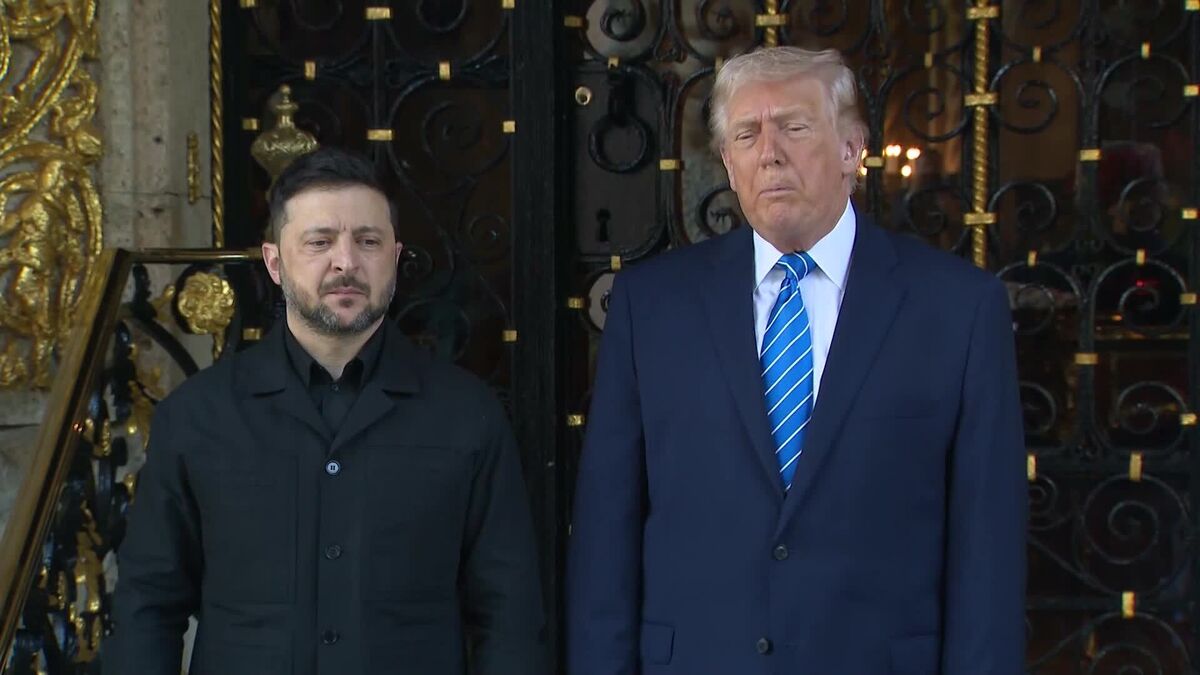
The Trump-Zelenskyy Meeting: Perspectives on Peace and the European Union
In recent diplomatic discussions, former President Donald Trump met with Ukrainian President Volodymyr Zelenskyy to explore avenues for peace amidst ongoing tensions in Europe. This meeting, which captured significant media attention, emphasized not only the bilateral relationship between the United States and Ukraine but also the broader implications for European stability and security.
Context of the Meeting
The backdrop of the Trump-Zelenskyy meeting is essential for understanding its significance. Since 2014, Ukraine has been embroiled in conflict, particularly due to Russia’s annexation of Crimea and ongoing military engagements in Eastern Ukraine. Amid this turmoil, the United States’ support for Ukraine has been crucial, and the prospect of peace discussions has become increasingly pressing.
Trump’s administration previously had a complex relationship with Ukraine, especially marked by controversy surrounding the 2019 phone call that led to his impeachment. This latest meeting with Zelenskyy represents a unique opportunity for the former president to reassert his influence on foreign policy and present himself as a peacemaker.
Key Discussions: Peace Initiatives
During their dialogue, Trump and Zelenskyy zeroed in on potential peace agreements. Central to their discussions was the idea of involving the European Union more robustly in diplomatic efforts. Trump has often maintained that European nations should shoulder a greater share of the responsibility for stability in Ukraine. This meeting provided him a platform to reiterate that sentiment, advocating for a united front involving both American and European resources in negotiating a lasting peace.
The involvement of the European Union is particularly relevant, as EU nations have historically played a crucial role in mediating the conflict and supporting Ukraine through various sanctions against Russia. By aligning U.S. efforts with European initiatives, both leaders aimed to strengthen international cooperation, which could serve to amplify their negotiating power.
Economic Considerations: Trade and Aid
Economic aid is an essential aspect of any peace agreement, and the discussions between Trump and Zelenskyy also explored how trade relations could be leveraged for mutual benefit. Ukraine is strategically positioned as a land bridge between Europe and Asia, making it a key player in global trade dynamics.
Trump highlighted the importance of encouraging European investment in Ukraine’s economy, which would not only bolster Ukraine’s financial stability but also create allies in the region. By revitalizing trade relationships and focusing on economic collaboration, both leaders hope to foster a more stable environment that can facilitate peace.
The Role of NATO
Another critical element of the meeting was the role of NATO in the Ukraine conflict. Trump’s past statements have often suggested a reevaluation of NATO’s commitment to Eastern European countries. Zelenskyy, aiming to affirm Ukraine’s alignment with NATO, likely sought to ensure continued military and strategic support from the alliance.
Both leaders recognized that a robust NATO presence could deter further aggression from Russia, acting as a guarantee of security for Ukraine. Strengthening NATO’s role in the peace negotiations could therefore serve as a pivotal element in discovering a comprehensive and lasting resolution to the conflict.
Public Perception: Domestic and International Reactions
The meeting has drawn scrutiny not just from political analysts but also from the public. Trump’s approach to foreign policy has often polarized opinions, and perceptions of his past actions regarding Ukraine color how his diplomatic engagements are received today.
For Zelenskyy, the challenge is navigating these waters while ensuring that Ukraine’s needs are met. His administration must continuously engage with a domestic audience that is wary of external influences, particularly considering that the stakes are high—Ukraine’s sovereignty and future are at risk.
On an international scale, the responses from other countries, especially from Russia, are influential. How these diplomatic talks unfold could either alleviate tensions or provoke further scrutiny and hostility, particularly if perceived as favorable to Western interests.
Moving Forward: The Future of Diplomacy
As discussions between Trump and Zelenskyy progress, the diplomatic landscape remains fluid. The commitment to peace and stability in Ukraine will require ongoing dialogue, not just between the U.S. and Ukraine, but also involving European partners and international stakeholders.
The ability to unify approaches toward a comprehensive peace framework will demand not only diplomatic finesse but also practical strategies that address the underlying issues of the conflict. As both leaders navigate their respective political landscapes, the ramifications of their meeting will undoubtedly shape future events in this turbulent region of Europe.
In a world where peace often feels elusive, the conversations held in this meeting shed light on the ongoing efforts to foster understanding, cooperation, and ultimately, a more secure future for Ukraine and its neighbors.