


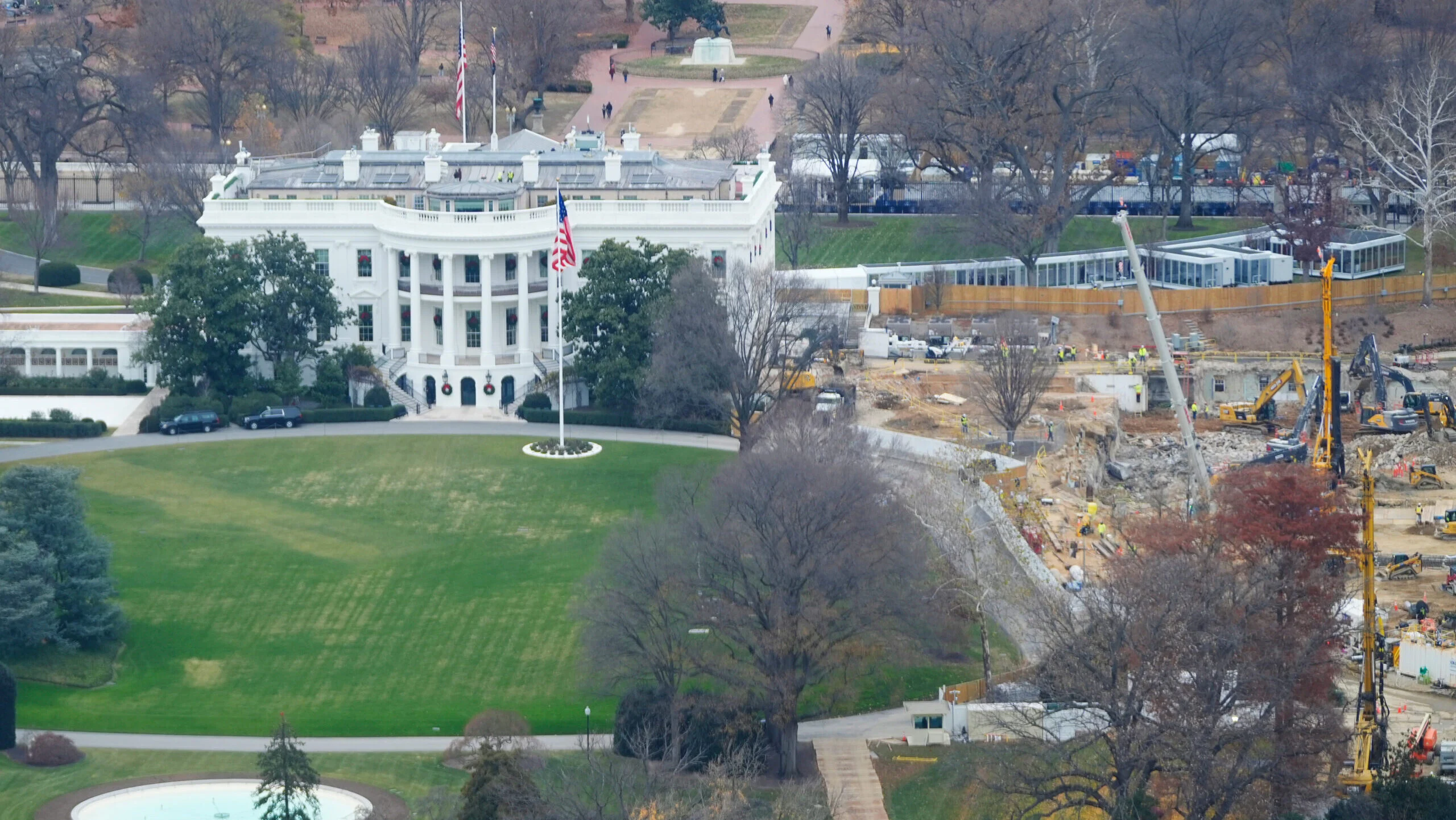
Preservationists Challenge Trump’s White House Ballroom Project
On Friday, a significant legal battle erupted as President Donald Trump was sued by the National Trust for Historic Preservation. The preservationists are seeking to halt Trump’s controversial White House ballroom project, which they argue has bypassed necessary legal processes. This lawsuit showcases the tension between governmental actions, historic preservation, and public input, setting the stage for an intricate legal discussion.
The Lawsuit’s Claims
The National Trust for Historic Preservation is asking the U.S. District Court to block the ballroom project until multiple independent reviews are conducted. The preservationists argue that a series of comprehensive design reviews, environmental assessments, public comments, and congressional debate must be undertaken before any further progress can occur. Their contention is rooted in concerns over adherence to established federal guidelines.
The legal claims are far-reaching, suggesting that Trump has violated both the Administrative Procedures Act and the National Environmental Policy Act. Furthermore, they assert that the president overstepped his constitutional bounds by not seeking the required congressional approval for such an expansive project on public property.
Historical Context and Constitutional Authority
“No president is legally allowed to tear down portions of the White House without any review whatsoever,” states the lawsuit. This assertion raises important questions about the balance of power in the federal government. Historically, the White House has been subject to strict preservation laws, designed to safeguard its integrity and history. This case exemplifies a broader debate about governmental authority, public accountability, and historical preservation.
The National Trust argues that any construction project of this magnitude requires thorough scrutiny, emphasizing that no one, including President Trump or any future leaders, is above the law regarding federal property.
The East Wing Demolition
Central to this dispute is the recent demolition of the East Wing, a procedure carried out without the usual federal oversight. Critics argue that this sets a dangerous precedent, potentially jeopardizing the future of historic landmarks and the protocols in place to protect them. Even though Trump has privately funded the project, supporters of the lawsuit assert that such funding doesn’t exempt him from following federal laws—still, it places the project firmly within the realm of government responsibility.
Rationale Behind the Ballroom
President Trump has defended the need for a ballroom, describing it as overdue for the White House. He has previously criticized the limitations of the East Room and the State Dining Room, which often require events to be held outdoors under a tent. Trump’s complaints about guests getting wet from rain during events illustrate his perspective: the White House is in dire need of a venue that can accommodate larger gatherings.
The Future of the Project
Plans for the new ballroom are expected to be submitted to a federal planning commission before the end of the year, roughly three months after construction commenced. Will Scharf, the chair of the National Capital Planning Commission, revealed that colleagues at the White House indicated plans would be filed in December. This timeline raises critical questions about the project’s compliance with required assessments and reviews.
Navigating the Review Process
Once the plans are submitted, the role of the National Capital Planning Commission and its professional staff will be activated. Scharf assured that the review process would adhere to a “normal and deliberative pace,” implying that any potential delays may allow for a thorough examination of the project. The commission’s evaluation will be under scrutiny, especially given the ongoing legal challenges raised by preservationists.
Broader Implications
The legal actions taken by the National Trust for Historic Preservation highlight the ongoing clash between progress and preservation. As the lawsuit unfolds, the broader implications of the case may reshape how future projects on historic government properties are approached. Whether or not the court will side with the preservationists remains to be seen, but the outcome will undoubtedly have ramifications for the balance of power in governmental projects and the protection of historical integrity.