


Trump’s Immigration Policy Proposal Following D.C. Shooting
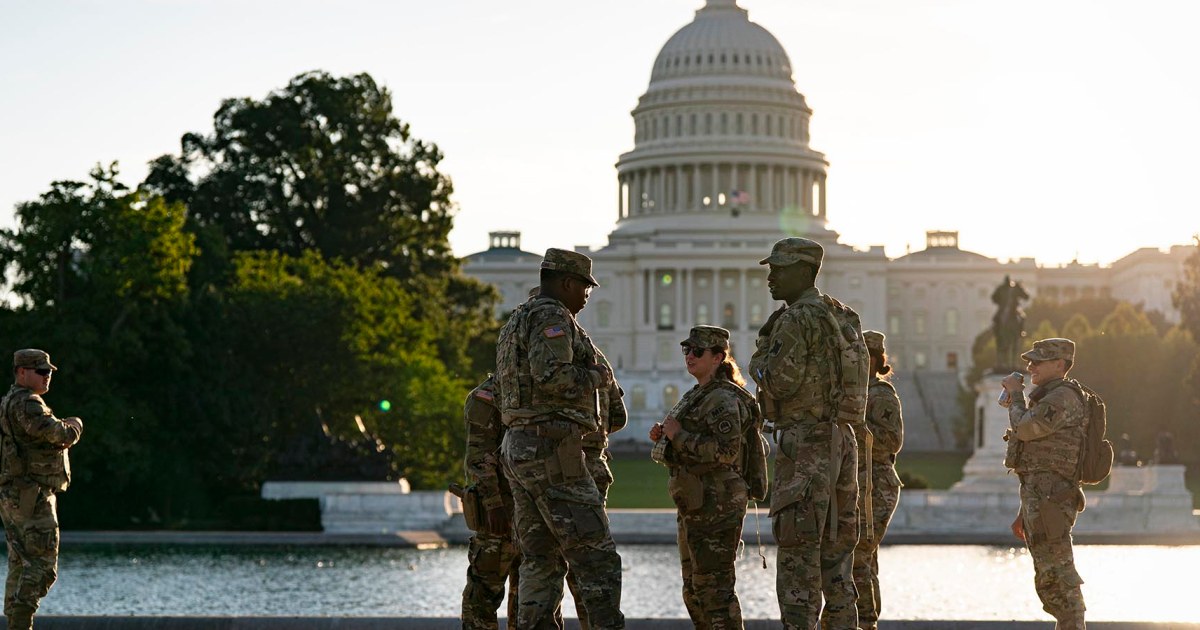
In a striking announcement on Thanksgiving Day, former President Donald Trump articulated a controversial immigration stance, advocating for a “permanent pause” on immigration from what he termed “third world countries.” His remarks came just hours after the tragic shooting of National Guard soldier Sarah Beckstrom in Washington, D.C., which Trump referenced to elevate his firm anti-immigrant rhetoric.
Context of the Announcement
The shooting, which targeted two National Guard members and was reportedly perpetrated by an Afghan national associated with a CIA-backed group during the Afghanistan conflict, has fueled a renewed fervor in Trump’s anti-immigrant narrative. Following the incident, Trump took to social media to voice his intentions, framing the attack as a justification for his proposals. His sentiments echoed previous patterns observed during his presidency, where immigration and security were frequently intertwined in rhetoric.
Key Policy Proposals
In a lengthy post on Truth Social, Trump outlined his stance, stating: “I will permanently pause migration from all Third World Countries… remove anyone who is not a net asset to the United States.” While he did not specify which countries he was referencing, his language historically aligns with earlier immigration bans targeting nations primarily in Africa and the Middle East.
The implications of his plan extend beyond mere immigration policy; Trump vowed to eliminate what he referred to as “the millions of Biden illegal admissions” and to undertake “reverse migration” strategies. The concept of reverse migration suggests the removal of immigrants deemed incompatible with American ideals or societal structures.
Criticism and Legal Challenges
Trump’s statements quickly drew backlash, particularly from United Nations agencies and advocacy groups, who criticized the potential ramifications of such policies. The U.N. called for the U.S. to maintain its role as a haven for asylum-seekers, emphasizing that refugee and migrant rights are integral to international law.
Officials within the Biden administration and various humanitarian organizations were quick to highlight the dangers of linking the actions of one individual to wider immigrant communities. They decried Trump’s rhetoric as harmful, suggesting that broad-brush policies could unfairly stigmatize entire populations seeking safety and opportunity in the U.S.
The Re-examination of Green Card Holders
As part of his immigration overhaul, Trump signaled intentions to reevaluate the status of green card holders from what he labeled “countries of concern,” including Afghanistan. This move poses serious questions about the future of many immigrants who arrived in the U.S. under difficult circumstances, often fleeing violence and persecution.
Moreover, Trump specifically singled out Somali migrants in Minnesota, stating that they were “completely taking over” the state. Such inflammatory comments have raised alarms among civil rights advocates, who argue that such rhetoric can incite discrimination and xenophobia against marginalized groups.
Historical Context and Terminology
The term “third world” has a complicated history, originating during the Cold War to categorize nations not aligned with either the NATO or Soviet blocs. Over time, it morphed into shorthand for economically underdeveloped countries, typically facing high poverty rates. However, experts argue that the term is outdated and derogatory, with organizations like the World Bank moving away from such labels in favor of more nuanced classifications.
Current economists and health experts suggest that the implications of using such terms can exacerbate stereotypes and hinder honest discourse about global poverty and international aid.
Potential Legal Ramifications
If Trump’s proposals materialize into legislation or executive orders, they are expected to face extensive legal challenges. His previous attempts at enforcing immigration bans encountered significant pushback through the courts, ultimately culminating in a Supreme Court ruling that narrowly upheld a travel ban targeting several Muslim-majority countries.
Advocates for immigrant rights maintain that using isolated incidents, such as the recent D.C. attack, to justify sweeping immigration reforms directly contradicts foundational American principles of justice and equality. The Council on American-Islamic Relations emphasized the importance of ensuring accountability for individuals rather than imposing collective punishment on entire communities.
The Call for Compassion
Migrant and civil rights advocates urge for a more compassionate approach to immigration, highlighting the value that diverse communities bring to the fabric of American society. They stress that dangerous generalizations about immigrants can infringe upon basic human rights and disrupt the process of asylum.
Amidst these discussions, many are reminded of the importance of historical context and the evolving understanding of global migration. As debates continue over the future of American immigration policy, a clear call for human dignity and justice resonates throughout the national dialogue.
Without a definitive conclusion, the discourse remains open, reflecting the ongoing struggles and complexities surrounding immigration in the United States.