


The Tragic Shooting of National Guard Members: A Turning Point in National Security Discourse
On a day that began like any other, tragedy struck near the White House, casting a dark shadow over the nation. President Donald Trump announced that one of two West Virginia National Guard members shot by an Afghan national had died, addressing a bewildered public and hastily framing the incident as a “terrorist attack.” This shocking event has since ignited a fierce debate over national security, immigration policy, and the legacy of the war in Afghanistan.
A Call from the Commander in Chief
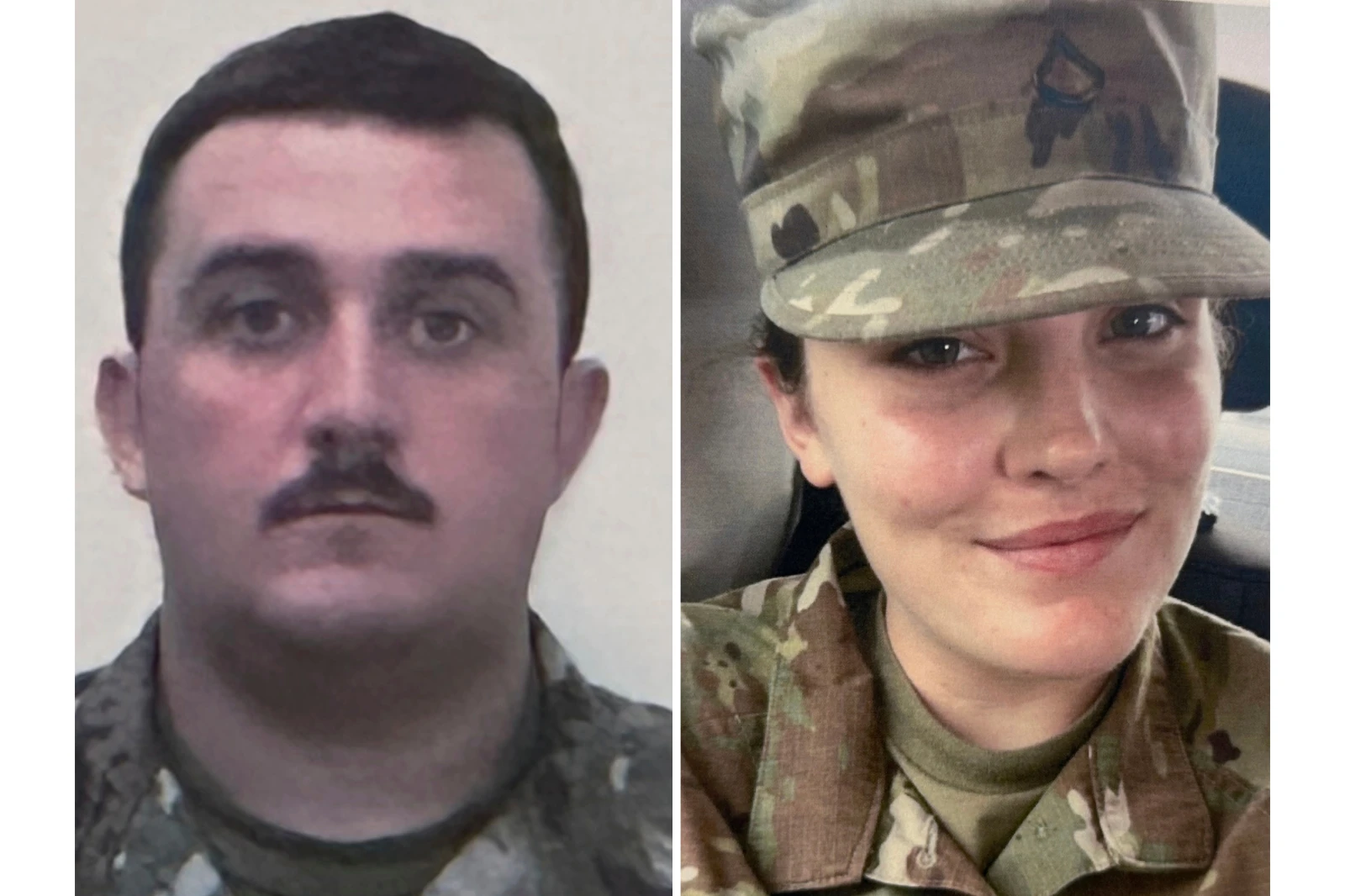
During a Thanksgiving call with U.S. troops, President Trump delivered the somber news of Specialist Sarah Beckstrom’s death, stating, “She’s just passed away. She’s no longer with us.” The young soldier, only 20 years old, was described by Trump as “incredible” and “outstanding in every single way.” Meanwhile, Staff Sgt. Andrew Wolfe, 24, was identified as fighting for his life, prompting urgent concern from family, friends, and the military community.
Trump’s remarks were laden with emotion but also political intent. He used the occasion to criticize the Biden administration’s policy on Afghan refugees, suggesting that the decision to allow certain Afghans to enter the U.S. without thorough vetting had dire consequences. He characterized the shooter, Rahmanullah Lakanwal, as a “savage monster” who had previously worked with the CIA in Afghanistan.
The Shooter’s Background
Rahmanullah Lakanwal, 29, reportedly had a complex past. Prior to emigrating to the U.S., he served in a special CIA-backed Afghan Army unit known for its controversial operations. Lakanwal’s role included being a team leader, working closely with American forces during a tumultuous period of the Afghanistan War. While his military background may lend some understanding of his actions, it raises troubling questions about how effectively he was vetted upon entering the United States.
Trump’s assertions regarding the inadequacies of the asylum process echo concerns held by many about the broader implications of rapid refugee resettlement. Trump argued that the U.S. must prioritize national security and have full control over who enters and remains in the country. The president’s stance highlights a contentious issue that many Americans continue to grapple with: the balance between humanitarian efforts and national security.
The Nature of the Attack
On Wednesday afternoon, Lakanwal launched an “ambush-style” attack on the National Guard members using a .357 Smith & Wesson revolver. This brazen act of violence, occurring just blocks from the White House, underscored the alarming nature of violence within the nation, especially against its military personnel on home soil. U.S. Attorney Jeanine Pirro confirmed charges against Lakanwal and indicated that they could be upgraded given the tragic death of Beckstrom.
Military Presence and Public Safety
This incident has rekindled discussions about the military’s role in domestic security. Following a series of violent incidents, Trump had previously issued an emergency order federalizing the D.C. police force and deploying National Guard troops to the capital. Although this order expired, considerable military presence remains, with nearly 2,200 troops stationed in D.C. for a variety of safety and security tasks, including patrolling neighborhoods and managing public events.
Shifting views on public safety have led to greater scrutiny of how military measures are implemented domestically. As tensions rise, many are left wondering how to balance security with civil liberties, especially when involving National Guard members who are intended to serve and protect.
The Legacy of the Afghanistan War
As Lakanwal’s actions unfold in the media, they serve to reflect the complexities of the Afghanistan War and its aftermath. Activists and experts have questioned the effectiveness of the U.S. approach to resettling Afghan allies. While initiatives like Operation Allies Welcome aimed to provide refuge for those who assisted U.S. forces, gaps in the vetting process have led to increased calls for greater scrutiny.
Lakanwal’s entry into the U.S. through this program raises significant questions about the vetting mechanisms in place. Many advocates argue that the program was a lifeline for Afghans at risk from the Taliban, while critics point to perceived failings that could compromise national security.
A Broader Debate on National Security
Following the shooting, Trump has reiterated calls for the re-evaluation of Afghan refugees who entered during the Biden administration, stating that national security must take precedence. U.S. Citizenship and Immigration Services has responded, suggesting increased screenings for refugees from so-called “high-risk” countries.
These events have stirred a very complex discussion about the interplay of security, immigration, and the long-term implications of American foreign policy. As Americans reflect on the shooting and its ramifications, they are also prompted to consider the larger narrative surrounding the War in Afghanistan and its influence on current U.S. policy.
In the wake of this tragic event, the country faces not only the loss of brave lives but also the daunting task of reassessing its approach to security, immigration, and the lasting scars of a decades-long conflict.