


The Implications of a New Era in Venezuelan Oil: Trump’s Bold Statement
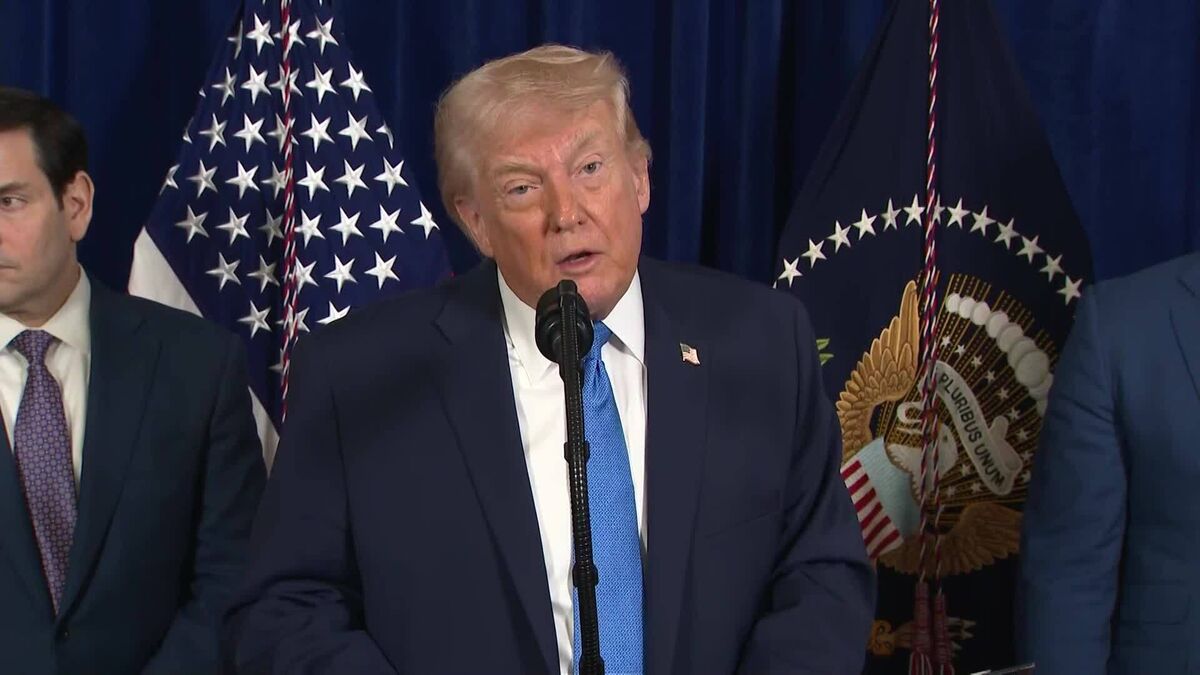
In a surprising turn of events, President Donald Trump announced that American oil companies will “spend billions of dollars” to rebuild and enhance oil infrastructure in Venezuela. This proclamation comes on the heels of a dramatic military operation that led to the capture of Venezuelan President Nicolás Maduro by U.S. forces. This audacious move not only raises eyebrows internationally but also opens the door to a potential resurgence of one of the world’s largest oil reserves.
Understanding the Context: Why Venezuela?
Venezuela boasts one of the largest proven oil reserves globally, second only to Saudi Arabia. For years, it has been plagued by political instability, economic collapse, and corruption, leaving its once-thriving oil industry in shambles. The nationalization of the sector, combined with a lack of investment and mismanagement, resulted in a decline in production. Now, with the U.S. intervention, the prospects of revitalizing this critical sector have become a focal point of international debate.
The Economic Impact of U.S. Intervention
Trump’s announcement suggests a significant economic gamble. By investing billions, American oil companies could potentially stabilize Venezuelan oil output, leading to increased oil exports. For the U.S., this might mean a greater influence over global oil markets and reduced dependence on Middle Eastern oil. Furthermore, reviving Venezuelan oil could lead to lower fuel prices at home, benefiting consumers. However, economic optimism must be tempered with caution, considering the potential backlash from international communities that oppose U.S. military interventions.
The Role of American Oil Companies
With a historical presence in Venezuela, American companies have long been interested in tapping into its oil wealth. Organizations like ExxonMobil and Chevron could play pivotal roles in the reconstruction of oil infrastructure. The investment not only signifies a commitment to reopening oil wells and upgrading refineries but also hints at the potential for job creation in both the U.S. and Venezuela. However, the feasibility of these ventures depends heavily on the political climate and the response from local populations who may view foreign intervention skeptically.
Political Ramifications on Home Soil
Domestically, Trump’s announcement could play various roles in shaping his political narrative. With the mid-term elections approaching, presenting a strong national security message by emphasizing actions against what he calls a “socialist dictatorship” might resonate with his base. Additionally, the promise of economic benefits tied to oil revenue could bolster support among voters affected by fuel prices. However, the strategy could also face backlash from opponents who see it as an imperialistic approach.
The Human Cost of Intervention
While the economic implications and political maneuvers are essential, there is a human side to this story that must not be overlooked. The Venezuelan populace has already suffered greatly due to years of political turmoil and economic mismanagement. Increased foreign investment could bring relief through job creation and improved living conditions, but it could also exacerbate fears of foreign exploitation. The delicate balance between helping the Venezuelan people and national interests will be increasingly scrutinized.
The Future of Energy Partnerships
If the American oil companies proceed with their plans, there could also be a shift in energy partnerships worldwide. Countries that have been wary of U.S. oil dominance may seek to align themselves with other powerhouses to balance against American influence. Nations such as China and Russia, which have previously supported the Maduro regime, may increase their alliances with Venezuela to prevent American firms from monopolizing the region’s oil resources.
Legal and Ethical Considerations
The operation to capture Maduro raises a plethora of legal and ethical issues. International law regarding sovereignty, the justification of military force, and the consequences of regime change all come into play. The ethical implications of a military intervention, even with the potential for economic betterment, are profound. Critics may argue that such actions undermine diplomatic negotiations and set a dangerous precedent for interventionist policies.
The Global Response
Already, the global community is reacting to Trump’s announcement. Countries with vested interests in Venezuela are calling for urgent diplomatic discussions to ensure that foreign investments do not lead to further destabilization. The United Nations and various human rights organizations are likely to keep a close watch on developments, advocating that any reconstruction efforts prioritize human rights and local governance.
Conclusion: An Unfolding Drama
As this historical narrative unfolds, it remains to be seen how these developments will play out in both Venezuela and the international arena. While the promise of billions in investments might spark excitement among businesses and policymakers, the ramifications for the Venezuelan people, regional stability, and global relations are far more complex. All eyes will be on the interactions between Washington, Caracas, and the many stakeholders that could influence the future landscape of Venezuelan oil.