


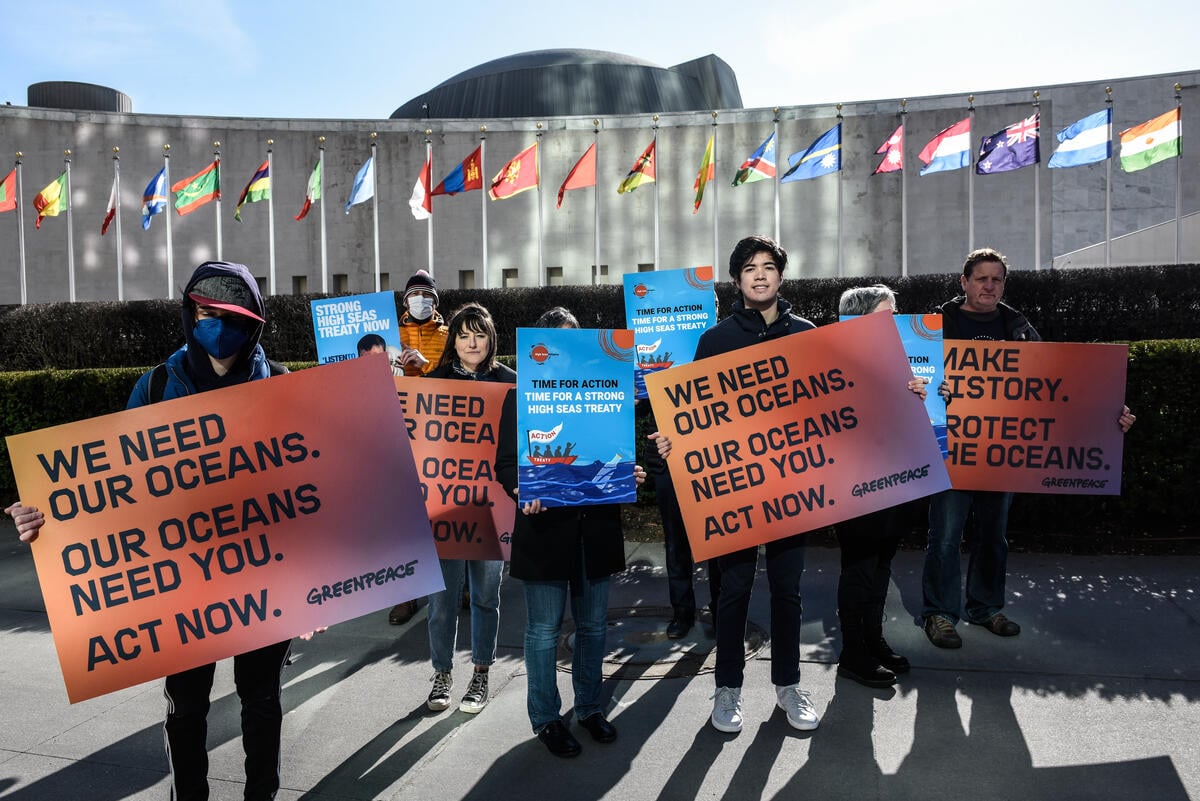
U.S. Withdrawal from International Organizations: Implications for Climate Action and Global Collaboration
On January 8, 2026, a memorandum issued by President Trump marked a significant shift in U.S. foreign policy. By directing U.S. agencies to withdraw the United States from 66 international organizations—including critical entities like the UN Oceans initiative and the Global Climate Treaty—this decision has stirred considerable debate among environmental advocates, political analysts, and citizens alike.
The Context of Withdrawal
The U.S. withdrawal aligns with a broader trend of skepticism towards multilateral agreements under Trump’s administration. This move, however, carries serious implications not just for international diplomacy but also for addressing urgent global issues such as climate change, which is increasingly recognized as a security threat. The president’s actions have been viewed by many as a prioritization of personal agenda over collective global interests, as highlighted by Greenpeace USA’s Oceans Campaign Director, John Hocevar.
Economic Ramifications of Climate Change
Hocevar pointedly noted that climate change currently incurs a staggering cost of $150 billion annually on the U.S. economy, a figure that is only expected to rise in the absence of robust international cooperation. The financial strains caused by natural disasters, shifting agricultural patterns, and healthcare costs due to climate-related health issues significantly impact American citizens. Withdrawing from organizations dedicated to addressing these challenges means a relinquished responsibility that might exacerbate economic burdens in the long run.
The Mixed Impact of International Withdrawal
While Trump’s decision may seem to suggest an era of American isolationism, the implications are mixed. Global North countries, of which the U.S. has historically been a major donor, offer substantial funding for international efforts to combat climate change and promote sustainability. Withdrawing from these organizations places increased pressure on other nations to take on these financial responsibilities.
Conversely, Hocevar argued that the removal of the U.S. from these critical discussions might open pathways for progress, as other nations can negotiate without the disruption of an obstructive U.S. presence. However, the detrimental effects on American businesses and citizens remain a constant concern.
Assessing Broader Policy Implications
Despite ongoing domestic controversies—including military actions in Venezuela and the violent aftermath of a recent ICE incident—Trump’s international strategy must not be ignored. Observers note that these decisions are interconnected within a broader narrative of an administration operating outside the rule of law. The withdrawal from international agreements reveals a critical inconsistency in foreign policy that may erode America’s standing on the global stage.
Public deduction leads to a significant inquiry: Why do these actions matter amidst the oratory chaos surrounding Trump’s leadership? The underlying threats to environmental, social, and geopolitical stability should catalyze citizen engagement and grassroots accountability, pushing for reform and oversight in governance.
The Call to Action
Hocevar’s statements resonate as a rallying cry for citizens and advocates alike. The withdrawal from these organizations is not merely a governmental policy shift; it is a potential detour for collective action against some of the world’s most pressing issues. He emphasizes that it falls to the populace to hold legislative bodies accountable, ensuring that the administration adheres to principles that safeguard both domestic interests and global responsibilities.
Greenpeace USA remains committed to not only environmental advocacy but also a broader societal transformation aimed at achieving justice across social, environmental, and economic spheres. Engaging with these concerns can ignite a movement that seeks to restore international cooperation and accountability at home.
By understanding the implications of these decisions, citizens can better assess their roles in pushing for sustainable and just solutions that transcend borders, ensuring that future generations inherit a planet that is not only livable but thriving.