


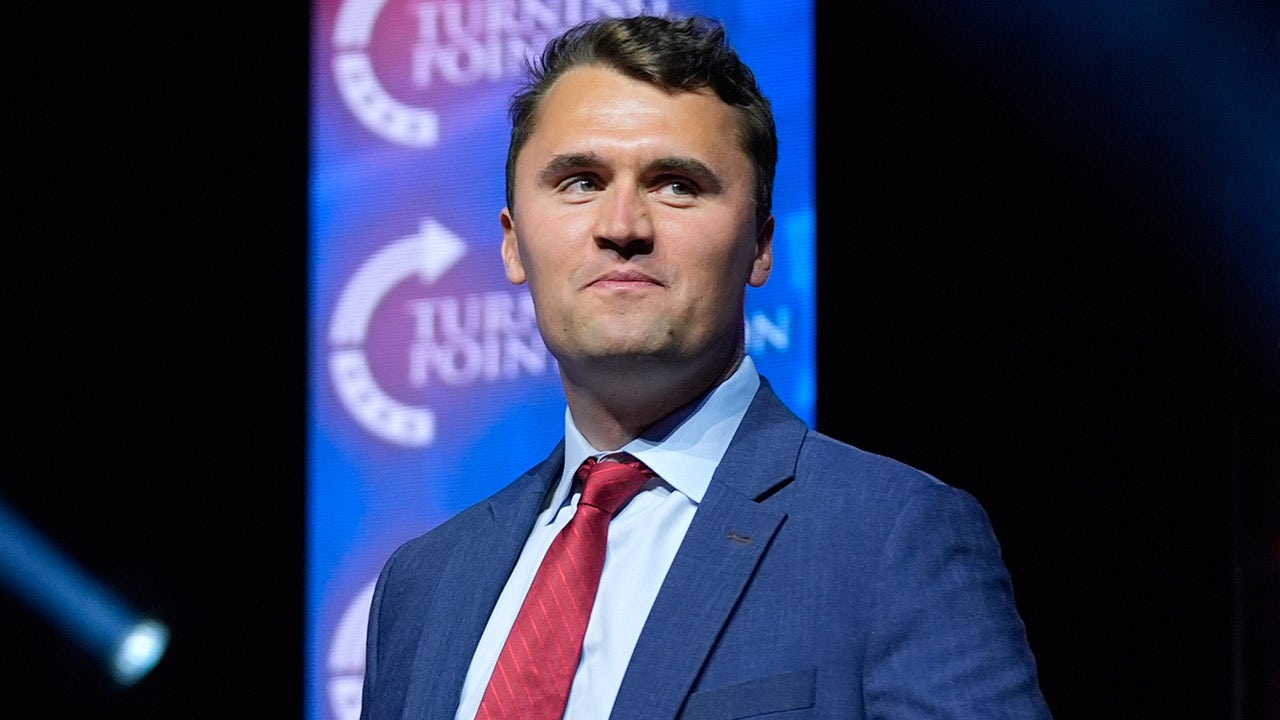
Turning Point USA and Club America: A Cultural Revolution in Tennessee High Schools
Turning Point USA (TPUSA), an influential organization advocating for conservative values among young people, has recently announced a collaborative initiative with the state legislature of Tennessee to establish Club America chapters in high schools across the state. This partnership aims to promote free speech and empower students to engage in political discussions, signaling a significant shift in the educational landscape, especially in states traditionally leaning more liberal.
Honoring a Legacy
This initiative gained notable attention, especially through the presence of OutKick’s Riley Gaines, who attended the launch event. She delivered a heartfelt speech honoring her late friend and TPUSA founder, Charlie Kirk. “Being here today, I feel optimistic and inspired seeing so many of you, especially you young people here,” Gaines said, reflecting the energy and hope surrounding this movement.
Charlie Kirk was a central figure in conservative youth activism, known for his passionate advocacy for free speech and student empowerment. Following his untimely passing, the desire to honor his mission has mobilized young conservatives across the country. The establishment of Club America is not just about forming a new organization; it represents a revived commitment to the principles Kirk championed.
Expanding the Movement Beyond Tennessee
Tennessee’s decision to create these chapters closely follows a similar initiative in Texas, where Governor Greg Abbott announced that Club America chapters would be implemented in every high school statewide. This rising trend is noteworthy, showcasing a growing acceptance of conservative values in educational spaces often criticized for their perceived left-leaning biases.
Notable figures, including Tennessee Senator Marsha Blackburn, attended the event to celebrate this historic moment for high school students. Their participation emphasizes how critical this initiative is to the state’s political climate, aiming to safeguard free speech rights and combat censorship in schools.
A Cultural Revival for Conservative Youth
Gaines referred to this movement as a “total cultural revival” for conservative students. “Maybe these political issues weren’t what you wanted to do with your life,” she remarked, addressing the gathering. “But then you watched what happened three months ago and you felt it stirring within you, you felt convicted… ‘how could I live a life like Charlie Kirk?’” Her words resonate with many young individuals who feel inspired to take a stand in today’s rapidly changing cultural landscape.
The pushback against the stifling of conservative voices in educational institutions reflects a broader cultural awakening among students. Many have felt the pressure of being categorized as “too political” for simply wanting to express their beliefs and perspectives.
The Unyielding Challenges Ahead
Despite these victories, Gaines emphasized the ongoing work that lies ahead. “In light of this assassination, what we’ve learned in the following weeks, where we’ve seen so many young kids wanting to get involved, I think we’ve now understood that Tennessee is not immune… nobody is immune to the cultural chaos that is plaguing this nation.” Her remarks serve as a reminder that the fight for free speech and conservative representation in schools is far from over.
Mobilizing the Future
The momentum created by this initiative is expected to galvanize young conservatives to take an active role in their schools and communities. Gaines passionately urged students: “Join Club America. Bring five friends.” Her call to action is not just about numbers; it’s about cultivating a sense of community and shared purpose among young conservatives.
The Legacy of Turning Point USA
With figures like Riley Gaines at the forefront, the legacy of Turning Point USA—and by extension, Charlie Kirk—is poised for a new chapter. The establishment of Club America in Tennessee high schools marks a pivotal moment in youth activism, affirming the right of students to express their viewpoints freely and passionately.
In this evolving landscape, each new chapter stands as a testament to the power of youth engagement in shaping the future of political discourse in America. As the initiative unfolds, the impact on students, schools, and broader societal discussions will be keenly observed. This cultural revival is not just changing schools; it may very well be influencing the future landscape of American politics.