


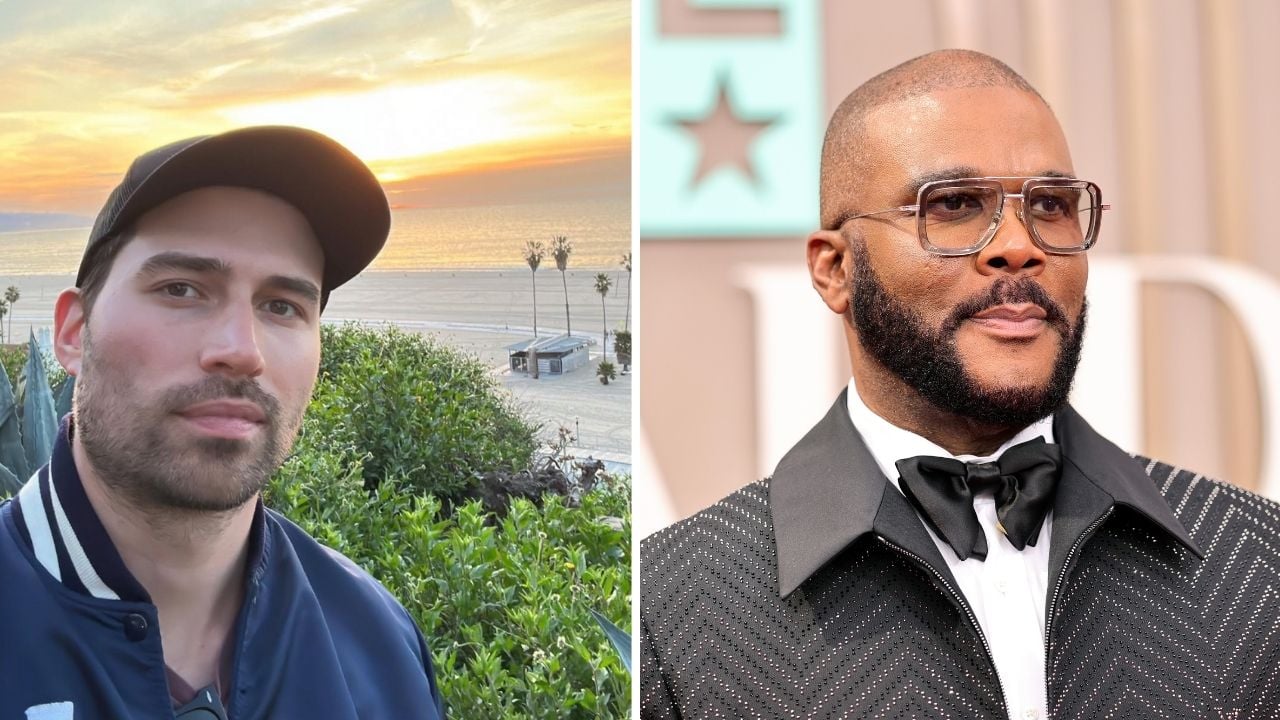
Derek Dixon’s Lawsuit Against Tyler Perry: An Inside Look at Allegations of Harassment
In June, actor Derek Dixon made headlines when he filed a lawsuit against influential filmmaker Tyler Perry, accusing him of sexual harassment. As the details of this case unfold, Dixon is set to share his narrative in an upcoming interview with ABC News, drawing particular attention to his distressing experiences in the entertainment industry.
The Allegations Unveiled
In a poignant clip from the upcoming interview, Dixon recounts his first alleged encounter with Perry. He describes a moment of discomfort: “I got into bed, and I noticed that he jumped into bed with me as well, and started rubbing my leg, and I jumped up out of bed.” This incident is just one of several allegations detailed in Dixon’s lawsuit, which claims that the producer engaged in unwanted physical contact and sent unsolicited sexual messages.
Dixon, known for his roles in Perry’s series “Ruthless” and “The Oval,” is seeking an eye-watering $260 million in damages. His complaint encapsulates accusations of sexual assault and workplace harassment, stating that Perry persistently invited him to his home and behaved inappropriately.
The Aftermath of Harassment
Dixon’s experience led him to file a claim with the Equal Employment Opportunity Commission (EEOC) in June 2024. He mentioned feeling the need to leave “The Oval” due to the alleged harassment, stating he could no longer endure the situation. This move underscores a trend where individuals in the entertainment industry often find themselves trapped between pursuing their dreams and maintaining their personal dignity.
In a candid email to The Hollywood Reporter, Dixon expressed how pursuing the lawsuit against Perry has been a daunting journey. He admitted it has been “terrifying” but emphasized the importance of coming forward: “I couldn’t just let him get away with it.” His motivation speaks volumes about the need for accountability and transparency in an industry that often prioritizes power and influence over personal safety.
Advocating for Change
Dixon articulates a universal desire among employees to work in environments free from exploitation. “Everyone deserves to go to work and do their job without their boss trying to have sex with them,” he remarks. His sentiments reveal broader issues of misconduct in Hollywood, where many find themselves navigating precarious situations.
Dixon hopes that his actions will pave the way for a safer workplace for the next generation of actors and creatives, emphasizing the importance of dignity over fame or success. His journey resonates with countless individuals who have faced similar challenges, opening dialogue about the dark realities of the entertainment industry.
Legal Response from Tyler Perry
In stark contrast to Dixon’s claims, Perry’s legal team has vehemently denied all allegations. Attorney Matthew Boyd characterized Dixon as someone who “got close to Tyler Perry for what now appears to be nothing more than setting up a scam.” The assertion paints the scandal as a calculated attempt to exploit Perry’s fame and wealth rather than a legitimate grievance.
Boyd’s statement reflects a common defense strategy where the accuser is portrayed as disingenuous, pointing to the challenges that victims face in proving their cases. Perry’s maintain confidence that the claims will collapse under scrutiny, further complicating the narrative around such accusations.
The Personal Toll of Alleged Trauma
For Dixon, the emotional burden of alleged harassment extends beyond legal ramifications. He reflects on the innate struggles faced by individuals who have experienced similar violations of personal autonomy. “Unless someone’s been through something where they have their control over their bodies taken away, you don’t really understand the kind of feelings that you get in that moment,” he shares, illustrating the deep psychological impact of such trauma.
This statement amplifies the need for society to listen to and support those who come forward with their stories, fostering an environment where victims feel safe and validated in their experiences.
The Broader Implications
Dixon’s case highlights a critical discourse around accountability in Hollywood, raising questions about the systemic issues of power dynamics and harassment in creative industries. As more stories emerge, the hope is for significant reforms that will protect individuals and encourage an industry-wide culture of respect and integrity.
With the upcoming interview set to offer more insights into his experiences, many will be watching closely, not only to learn more about Dixon’s allegations but also to see how the broader conversation around workplace safety unfolds in the months to come.