


A New Generation of Cricketers: The U-19 World Cup and Its Roots in South Asia
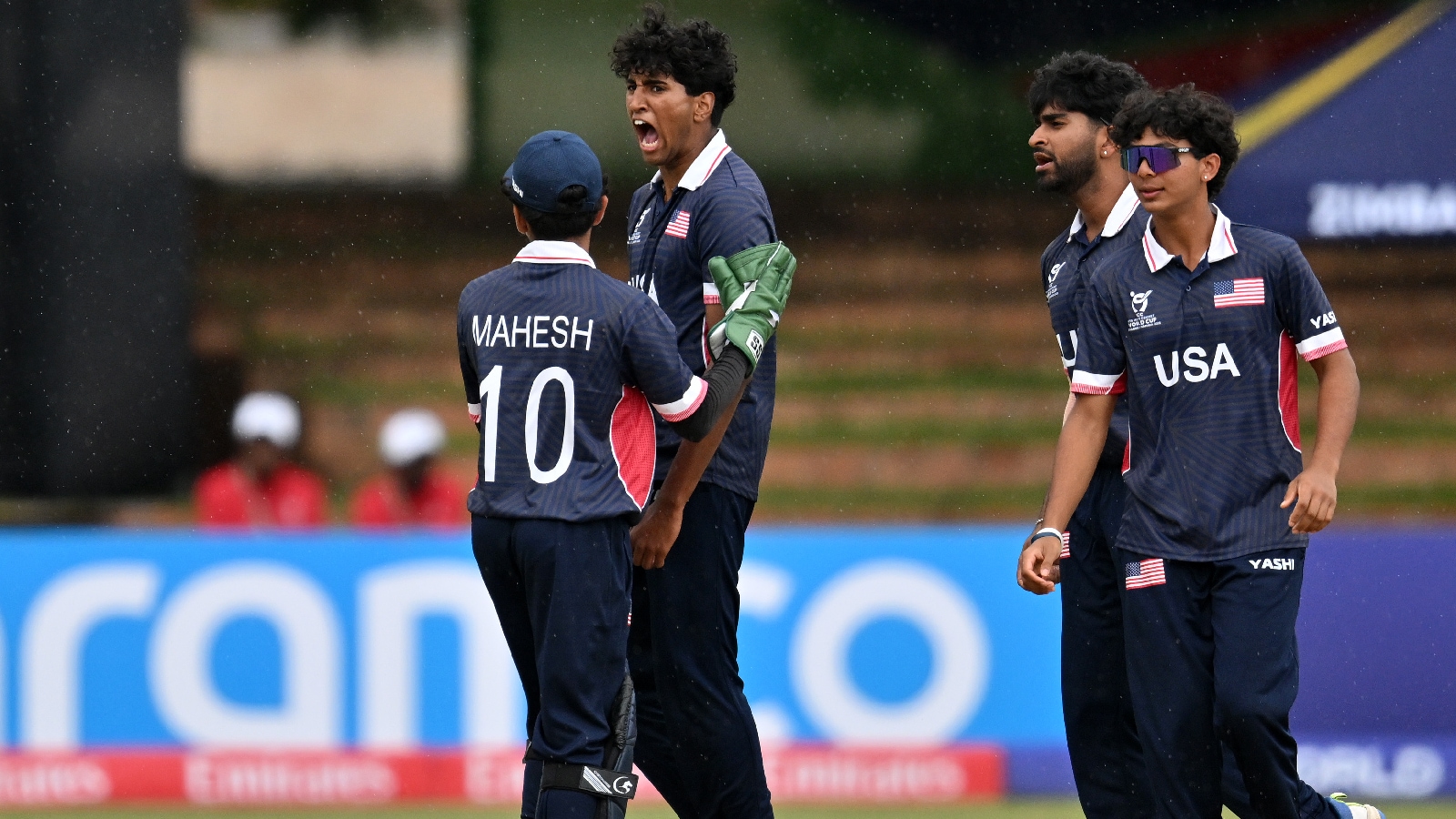
When the players of India and the USA stepped onto the field for their U-19 World Cup opening match, a rich tapestry of heritage and identity was woven into every moment. With the national anthem echoing in the air, it wasn’t just the Indian players draped in their colors. Parents of American cricketers, too, sang along, their love for their homeland intertwined with pride in the land of their ancestry. This scene perfectly encapsulated the essence of cricket today—a sport that transcends borders and forms connections through shared history.
The South Asian Legacy in Cricket
The statistics from the U-19 World Cup paint a compelling picture: an estimated one in every three players in this latest tournament has roots in South Asia. This demographic includes talent from not just India but also Pakistan, Sri Lanka, and Bangladesh, plus players from other nations with notable South Asian communities. This dynamic is a testament to how the sport, once exclusively a colonial pastime, has now become a beloved domain for the very populations that it once marginalized.
In this tournament, out of the total 240 cricketers, 60 hail from traditional cricketing powerhouses in South Asia. Additionally, 32 players associated with other teams trace their familial roots back to this region. These includes 28 from India and others from Pakistan and Sri Lanka, further illustrating the widespread influence of South Asian culture in global cricket.
Breaking Through Traditional Barriers
Traditionally, the mainstream cricket teams in nations such as Australia and New Zealand have had limited diversity. However, that narrative is quickly changing. Australian teams now include players like John James and Aryan Sharma, who bring stories of migration and resilience. James, for instance, has a background deeply rooted in Indian traditions while fully embracing his Australian identity. He describes the blend of cultures as fulfilling, highlighting how he speaks Malayalam at home while being “Australian in everything” else.
Aryan Sharma shares his family’s challenges and triumphs, reflecting common feelings among migrants—resilience, adaptability, and a firm commitment to their new country. This is mirrored in Cricket Australia’s increasing emphasis on multicultural participation, which has grown to 20% over the past few years.
New Zealand’s Flourishing Multiculturalism
The scenario is similar in New Zealand, where a multi-decade effort has led to an integration of South Asian talent into the national setup. Along with the four players in the U-19 squad, established players with South Asian heritage contribute significantly to the senior team. Coaches from India are now actively involved in nurturing future talent, further solidifying the ties between cricket in these countries.
The emergence of young stars like Rachin Ravindra, under the guidance of mentors from South Asia, exemplifies this blossoming relationship between the sport and diverse cultures. The cricket fields of New Zealand are a vibrant blend of backgrounds, each player bringing their unique story.
England’s Commitment to Diversity
Across the English Channel, the cricket landscape is transforming with a greater emphasis on inclusivity. The England U-19 team features players of Pakistani heritage, such as Farhan Ahmed and Ali Farooq. The England and Wales Cricket Board (ECB) has taken proactive measures to engage with South Asian communities through its South Asian Communities Action Plan, establishing pathways for local talent to shine on larger stages.
The Tapestry of Shared Experiences
Beyond statistics and strategies, there’s a deeply human element to these players’ journeys. From the sacrifices of parents, who often juggled multiple jobs to ensure their children could chase their cricketing dreams, to the communal support found in diaspora neighborhoods, the narrative runs deep. Snehith Reddy’s passion for cricket blossomed through family traditions, a narrative that resonates across many migrant families.
The stories shared by players are many—filled with struggles, victories, and a sense of belonging that transcends national boundaries. This passion is not merely about winning matches; it reflects a collective experience, embodying hopes and dreams that connect individuals to their heritage while forging new identities.
Cricket: A Global Connector
Ultimately, the U-19 World Cup serves as a microcosm of how cricket continues to act as a bridge linking different worlds. As talent from various countries and cultures unites on the field, it becomes evident that the legacy of cricket is in a transformative phase. The future of this global game will be defined not by borders, but by the shared stories and passions that every player brings to the pitch.
In this evolving landscape, South Asia’s influence is pivotal, highlighting the region’s integral role within the broader narrative of cricket while setting the stage for future generations to continue this legacy.