


Unfolding Events: U.S. Military Operation Disrupts Caribbean Travel
The turbulent political landscape of Venezuela recently took a dramatic turn as the U.S. military operation successfully captured President Nicolás Maduro. This unexpected event unfolded on a busy travel weekend, causing widespread disruption in the Caribbean region. With many travelers seeking to enjoy the last throes of the holiday season, the implications of this military action quickly became evident.
Flight Cancellations and Airspace Restrictions
In the wake of the operation, significant airspace restrictions were imposed, affecting flights across the eastern Caribbean. According to FlightRadar24.com, no airline flights were crossing over Venezuela on that fateful Saturday. Major airlines reported hundreds of canceled flights affecting destinations such as Puerto Rico, the Virgin Islands, and various spots within the Lesser Antilles.
The Federal Aviation Administration (FAA) acted swiftly, implementing these restrictions in the interest of public safety. U.S. Transportation Secretary Sean Duffy reassured travelers that the restrictions would be lifted when deemed appropriate, emphasizing the need for airlines and passengers to remain vigilant.
Travelers on Edge
For travelers like Lou Levine and his family, the operational changes turned a planned flight home from Puerto Rico into a logistical nightmare. Upon waking to a canceled flight, Levine discovered through social media that their original flight was impacted. After hours of communication with JetBlue, the family was rescheduled for a flight a week later, drastically extending their holiday budget and impacting their children’s school schedules.
Levine expressed the challenges not only of rescheduling but also of the unforeseen costs, such as pet care and car rentals, that pile up during extended stays. “It’s really painful on the wallet,” he lamented, highlighting the stress many families were experiencing in similar situations.
Peak Travel Season Compounded by Crisis
The timing of these disruptions couldn’t have been worse. This weekend was already beyond the projected peak holiday travel period, which AAA estimated would see 122.4 million Americans traveling at least 50 miles from home. Many families were looking to capture the warmth of the Caribbean before returning to the wintry weather back home. AAA spokesperson Aixa Diaz noted that people were eager to unplug and enjoy their vacations but emphasized the importance of staying updated on the evolving situation.
Airports and Airlines Respond
Airports like Queen Beatrix in Aruba, a favorite vacation spot just 15 miles off Venezuela’s coast, anticipated a return to normal operations by Sunday. However, Saturday had seen significant flight cancellations that prevented travelers from reaching the island.
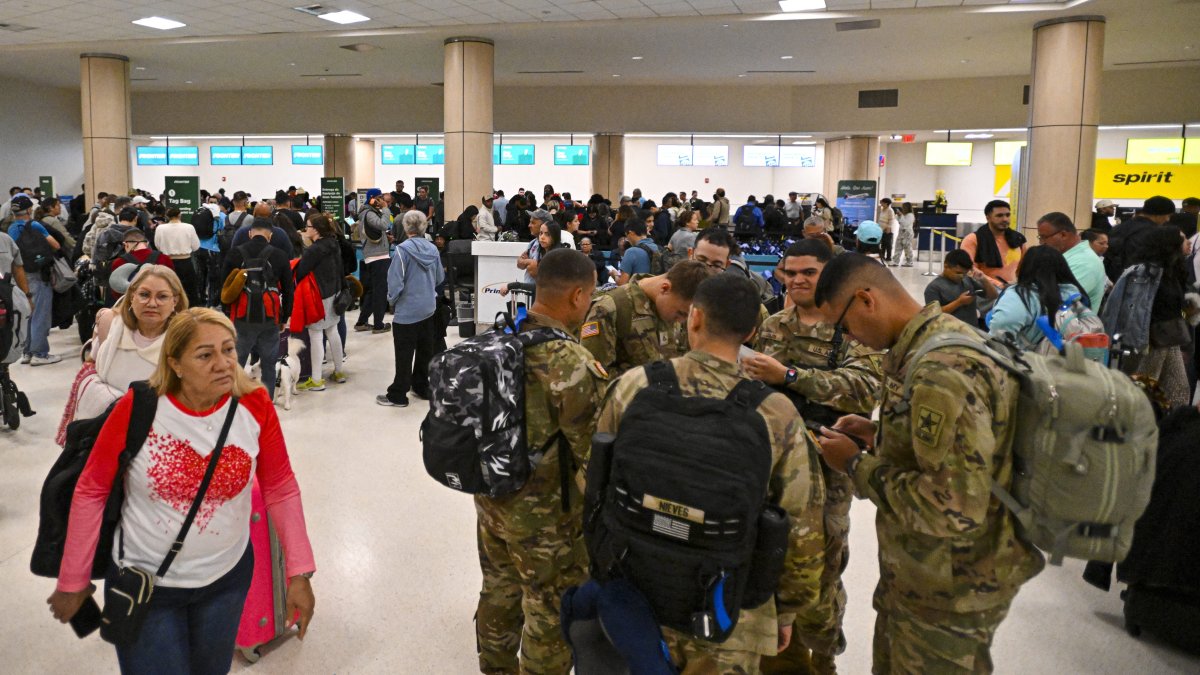
Luis Muñoz Marín International Airport in San Juan, Puerto Rico, also experienced widespread cancellations, with most U.S. commercial flights suspended due to safety concerns related to the military operation. Interestingly, foreign airlines and military aircraft continued operations under different guidelines.
Airline Reactions and Customer Policies
In light of the circumstances, airlines acted quickly. JetBlue canceled approximately 215 flights due to the airspace closures. The airline offered customers the option to rebook their travel or request refunds without penalties. United Airlines made adjustments to their schedules as well, allowing passengers to alter travel plans free of charge.
Southwest Airlines suspended flights to Puerto Rico and all Aruba flights, while American Airlines waived change fees for about 20 affected destinations. Delta Air Lines also issued travel waivers, extending relief to travelers amid this chaos.
Cruise Travelers Caught in the Crossfire
The aviation disruptions also impacted travelers on Caribbean cruises, with operators like Virgin Voyages offering credits for those unable to reach departure points in time. This added layer of complexity underscored how intertwined various sectors of the travel industry are, especially in a region heavily dependent on tourism.
The recent U.S. military operation and its subsequent ramifications have sent shockwaves across the Caribbean travel landscape. With families disrupted, airlines scrambling, and travelers left in a state of uncertainty, the chaos underscores the interconnection between global politics and everyday life in such a vibrant travel hub.