


New National Parks Fee Policy: A Focus on American Visitors
The U.S. Department of the Interior has introduced a new national parks policy designed to prioritize American tourists. Starting January 1, 2026, this policy will impose higher entry fees for international visitors compared to U.S. residents. The aim is to make national parks more accessible for Americans while ensuring international visitors contribute more towards maintaining these treasured sites.
Additional Charges for International Visitors
Under the new policy, non-U.S. residents visiting 11 of the nation’s most popular national parks will incur an additional charge of $100 per person, per vehicle. This surcharge is applicable when purchasing a one- or seven-day pass. In essence, a family of four could find themselves paying $400 to enter one of the designated parks.
Alternatively, international visitors have the option to buy a yearly pass priced at $250, which allows access for all passengers in a single vehicle across all U.S. national parks for one year. This pass is designed to offer a more economical option for travelers planning to explore multiple parks.
Scope of the New Fee Structure
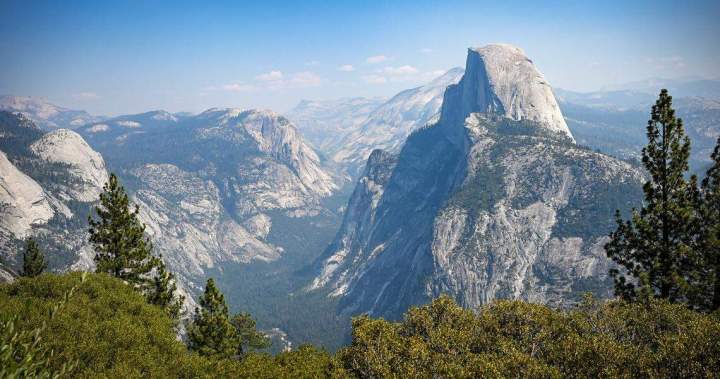
The 11 parks affected by this new policy include iconic locations such as Acadia, Grand Canyon, Yellowstone, and Yosemite. These parks not only attract millions of visitors each year but also play a critical role in America’s natural heritage.
In contrast, U.S. residents will not have to pay the additional $100 surcharge. Instead, they can enjoy a substantially lower cost of entry. For just $80, American visitors can purchase an annual pass that grants access not only to national parks but also to hundreds of national historic sites and battlefields, along with over 200 million acres of national forests.
Current Entry Fees and Future Changes
As of now, U.S. national parks have varied entry fees that range from free to $35 depending on the park. For American residents, day or week-long passes do not attract the new surcharge, making visits more manageable financially.
The Department of the Interior stated that these changes reflect a commitment to making national parks more accessible to American citizens, aligning with former President Donald Trump’s broader initiative for public lands.
Public Response and Perspectives
Interior Secretary Doug Burgum commented on the new policy, expressing that it aims to enhance the experience for American visitors, creating a more welcoming environment for U.S. citizens. He emphasized that these changes would ensure international guests help bear the costs of preserving public lands, underscoring a philosophy of equitable resource allocation.
The policy incorporates patriotic fee-free days exclusively for U.S. residents, with significant dates like June 14, coinciding with President Trump’s birthday, marked for free entry. This element adds another layer of distinction between how U.S. residents and foreign visitors experience national parks.
Financial Impact on Non-U.S. Residents
Currently, international visitors are not charged any additional fees until the new structure is enacted. However, after January 2026, a family of four from outside the U.S. planning to visit Yellowstone will face a price point of $435 for single-day entry or can opt for the $250 annual pass. This pricing strategy aims to generate necessary revenue to maintain the parks while managing visitor numbers more effectively.
The enforced surcharge is likely to spark discussions regarding the fairness and implications of such a policy, as it represents a significant shift in how access to these natural wonders is managed.
Conclusion
The U.S. Department of the Interior’s recent changes to entry fees reflect a strategic shift in national park policy aimed at prioritizing the experiences of American residents while also asking international visitors to contribute more significantly. As these changes take effect, it will be interesting to observe their impact on park attendance, tourism dynamics, and, ultimately, the conservation of these invaluable public lands.