


UniCredit SpA’s Bold Move in Poland’s Corporate Debt Market
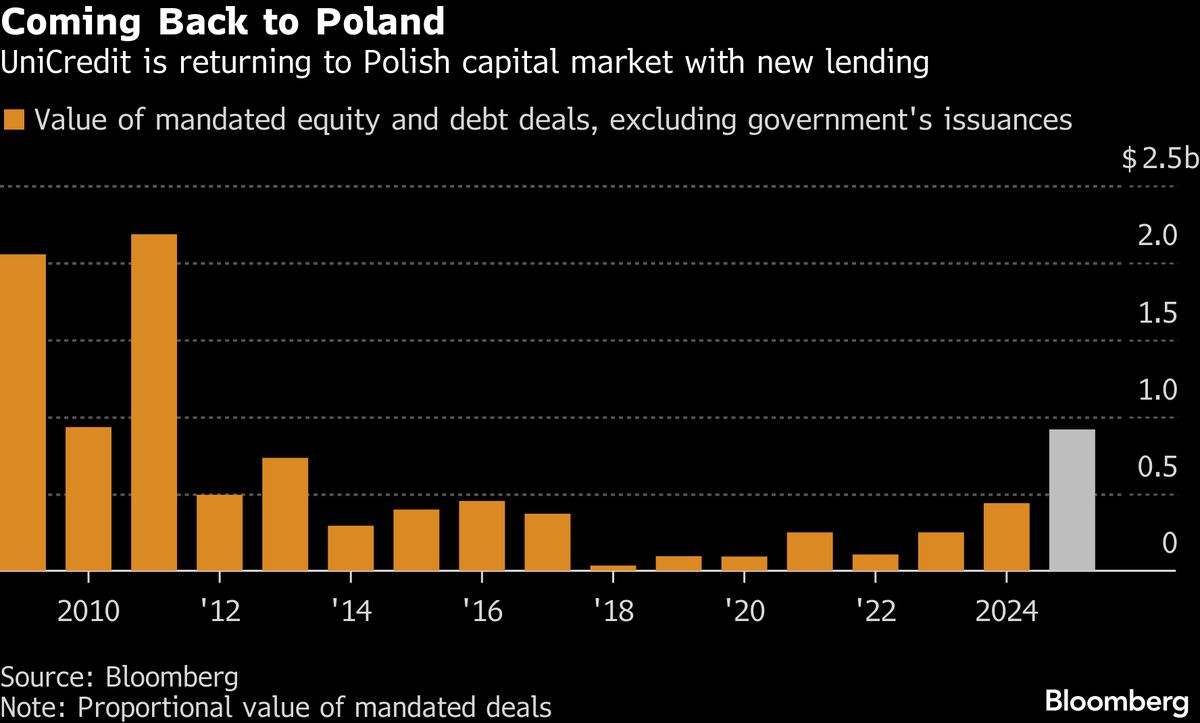
UniCredit SpA, one of Europe’s leading banking and financial services companies, is making significant waves in Poland’s corporate debt market. This assertive push comes just months after the bank reestablished its operations in the country, signaling a renewed commitment to not only expand its footprint but also to compete vigorously with local players.
The Restart of Operations
After a brief hiatus, UniCredit resumed its Polish activities with a strategic focus on expanding its corporate banking services. This restart was not merely a return to business; it represented a recalibration of their approach to meet the evolving demands of the market. In recent months, the Polish economy has shown signs of resilience, attracting foreign investment and driving corporate interest in debt funding. UniCredit’s re-entry is geared toward capitalizing on these opportunities, catering to businesses in need of financing amidst market uncertainties.
Aggressive Strategies
UniCredit’s aggressive strategy includes offering competitive rates and tailored financial products aimed specifically at Polish companies. By doing so, they are positioning themselves as a significant player amidst a crowded field of local banks. This includes leveraging expertise from their vast network across Europe to provide innovative solutions that resonate with the unique needs of the Polish market.
Their approach involves analyzing market trends and the demands of local businesses, enabling them to offer products like corporate bonds and other debt instruments that align with both investor expectations and borrower requirements.
Impact on Local Competitors
As UniCredit gains traction, local competitors are feeling the pressure. The entry of a powerful institution like UniCredit into the corporate debt landscape is triggering what experts term a “margin squeeze.” This phenomenon occurs when local banks are forced to lower their interest rates and fees to stay competitive, which subsequently affects their profit margins.
Local banks, accustomed to a certain level of market stability, are now faced with the challenge of differentiating their offerings. They must enhance customer service and innovate their financial products to maintain their client bases, all while grappling with the threat posed by UniCredit’s expansive resources and expertise.
Implications for Investors
For investors, the shift in the corporate debt landscape could present both opportunities and challenges. On one hand, increased competition can lead to more favorable financing conditions for businesses, potentially resulting in a more dynamic economy. On the other hand, it also raises questions about the sustainability of local banks in light of pressure on their margins. Investors must now navigate a market that is rapidly evolving, requiring careful analysis and risk assessment.
The Future of Corporate Debt in Poland
The trajectory of corporate debt in Poland appears poised for significant transformation, driven largely by UniCredit’s strategic maneuvers. Their entry is likely to catalyze changes in lending standards, interest rates, and product offerings across the market. As more companies seek funding, the dynamics between borrowers, lenders, and investors are set to shift.
Financial analysts and market observers will be keeping a close eye on how this space evolves, particularly regarding how local banks adapt their strategies in response to new competitors.
Conclusion
UniCredit SpA’s movement into Poland’s corporate debt market is not just a corporate strategy; it is a clear indication of the shifting financial landscape in the region. The repercussions of such a shift will be felt not only by competitors but also by companies seeking financing and by investors navigating this renewed market environment. Each aspect of this development offers rich insights into Poland’s financial future, showcasing the intricate dance between local and international financial institutions in an ever-evolving economy.