


A Historical Perspective on the World Cup: Dictatorship, Politics, and Power Plays
The World Cup as a Stage for Totalitarianism
By 1934, Benito Mussolini’s Italy presented an unmistakably authoritarian face to the world. The dictator had meticulously consolidated his power through political repression and aggressive territorial expansion. He colonized Libya, annexed Rijeka, and hosted the second-ever FIFA World Cup. This event was more than just a showcase of football; it was Mussolini’s stage to validate his regime. From supplanting the prestigious Jules Rimet trophy with a larger, more ostentatious version, to utilizing the tournament as a propaganda tool, Mussolini’s heavy hand was evident.
The World Cup allowed him to divert attention from domestic strife and bolster national pride. Yet, even with victories on the pitch, his expansionist agenda remained insatiable, culminating in military invasions of Ethiopia and Albania by decade’s end.
The Dark Cloud of the 1978 World Cup
Fast forward to 1978, and Argentina found itself under the iron grip of General Jorge Rafael Videla’s military junta. The government had wrested power two years prior, employing systematic torture and murder against political dissidents. Despite this grim reality, the World Cup proceeded, and international protests fell on deaf ears.
João Havelange, FIFA’s president at the time, proudly declared, “At last, the world can see the true face of Argentina,” flaunting his allegiance with a medal from Videla. The event was an extravagant affair, veiling the underlying terror that characterized everyday life in Argentina. The German captain Berti Vogts’s optimistic comments about order contradicted the widespread disappearances happening just outside the stadiums.
The Putin Effect in 2018
The 2018 World Cup offered another glaring illustration of politics intertwining with sport. Vladimir Putin presided over the opening ceremony, four years after his government annexed Crimea from Ukraine and provided support for pro-Russian rebels in Eastern Ukraine. FIFA, seemingly unbothered, basked in the spotlight provided by one of the most controversial leaders of modern times.
The juxtaposition of sporting glory against geopolitical tensions was not lost on observers. The world was beginning to recognize a pattern: FIFA appeared all too willing to overlook or even embrace regimes notorious for human rights violations.
Reflections on the Upcoming 2026 World Cup
Looking ahead to the 2026 World Cup, which will take place in the United States, Canada, and Mexico, the geopolitical context offers little comfort. Recent events, such as the violent abduction of the Venezuelan president and the U.S.’s shifting stance on Ukraine, signal troubling times. The ongoing tumult in U.S. foreign policy raises questions about how international audiences will interpret this World Cup.
The Trump administration’s actions, be it the indecisiveness on global conflicts or aggressive posturing towards neighboring nations, seem poised to shape the narrative surrounding the 2026 event. It appears likely that in the coming years, this World Cup will join its predecessors in the annals of “shameful tournaments.”
The Complicity of Global Sporting Institutions
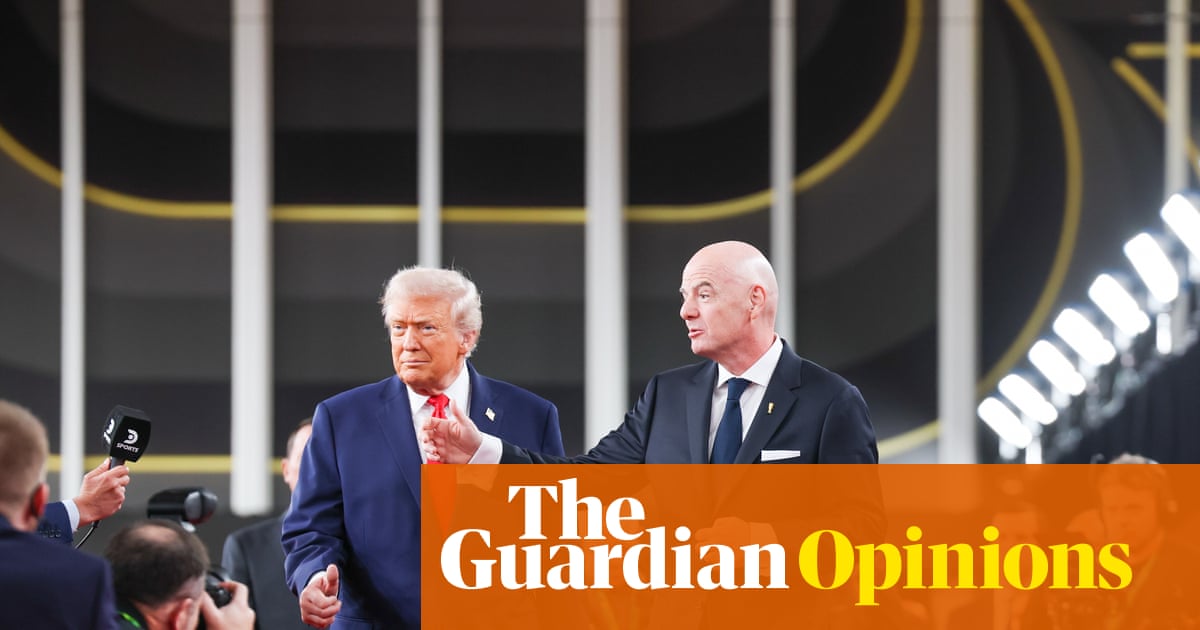
As the tournament looms closer, Gianni Infantino, FIFA’s current president, maintains unwavering support for the American administration. His posture reflects an ongoing pattern: organizations like FIFA often prioritize financial gain over ethical considerations, echoing past leaders like Havelange and Videla.
It seems the World Cup, which was once a symbol of global unity, has evolved into a platform for the egos of self-serving leaders, further entrenching the idea of ‘sportswashing,’ where regimes attempt to cleanse their image through sports while obscuring underlying injustices.
Historical Resonances and Future Concerns
Many fans question if the specter of past controversies will lead to a boycott or a significant protest against FIFA and its practices. Discontent may simmer, but history shows that meaningful change often comes slowly. The far-reaching implications of past World Cups linger in the public consciousness, yet disenchantment could easily become normalcy.
The parallels drawn between the 2026 World Cup and the events of 1934, 1978, and 2018 serve to remind us that the beautiful game is inextricably linked with the complex web of global politics. As FIFA continues to make decisions that prioritize power and profits over principles, the sport’s legacy becomes fraught with moral ambiguity.
Media Coverage and Public Reaction
The coverage of these issues, predominantly through outlets like The Guardian and various global news sources, often emphasizes the growing unease surrounding FIFA’s entanglement with unsavory regimes. As the narrative unfolds, this World Cup might become emblematic of a broader trend, one that commoditizes human rights and ethical considerations in exchange for political favor and financial gain.
The Future Landscape of Football
The evolving nature of the World Cup reflects not just the state of global politics but also the changing priorities of fan communities. As soccer mirrors the dynamics of international relations, the challenges ahead will undoubtedly provoke discourse about the future of the sport.
In summary, the trajectory of the World Cup from Mussolini’s Italy to Trump’s America showcases a persistent intertwining of politics and sport. As societies navigate ethical dilemmas, the world will continue to scrutinize the beautiful game. What will history say about these moments? Only time will tell.