


New REAL ID Fees: What Air Travelers Need to Know
Starting in February, air travelers in the United States who do not possess a REAL ID will face a $45 fee as announced by the Transportation Security Administration (TSA). This new measure aims to expedite compliance with federal identification standards that have been in the works for years.
Understanding REAL ID
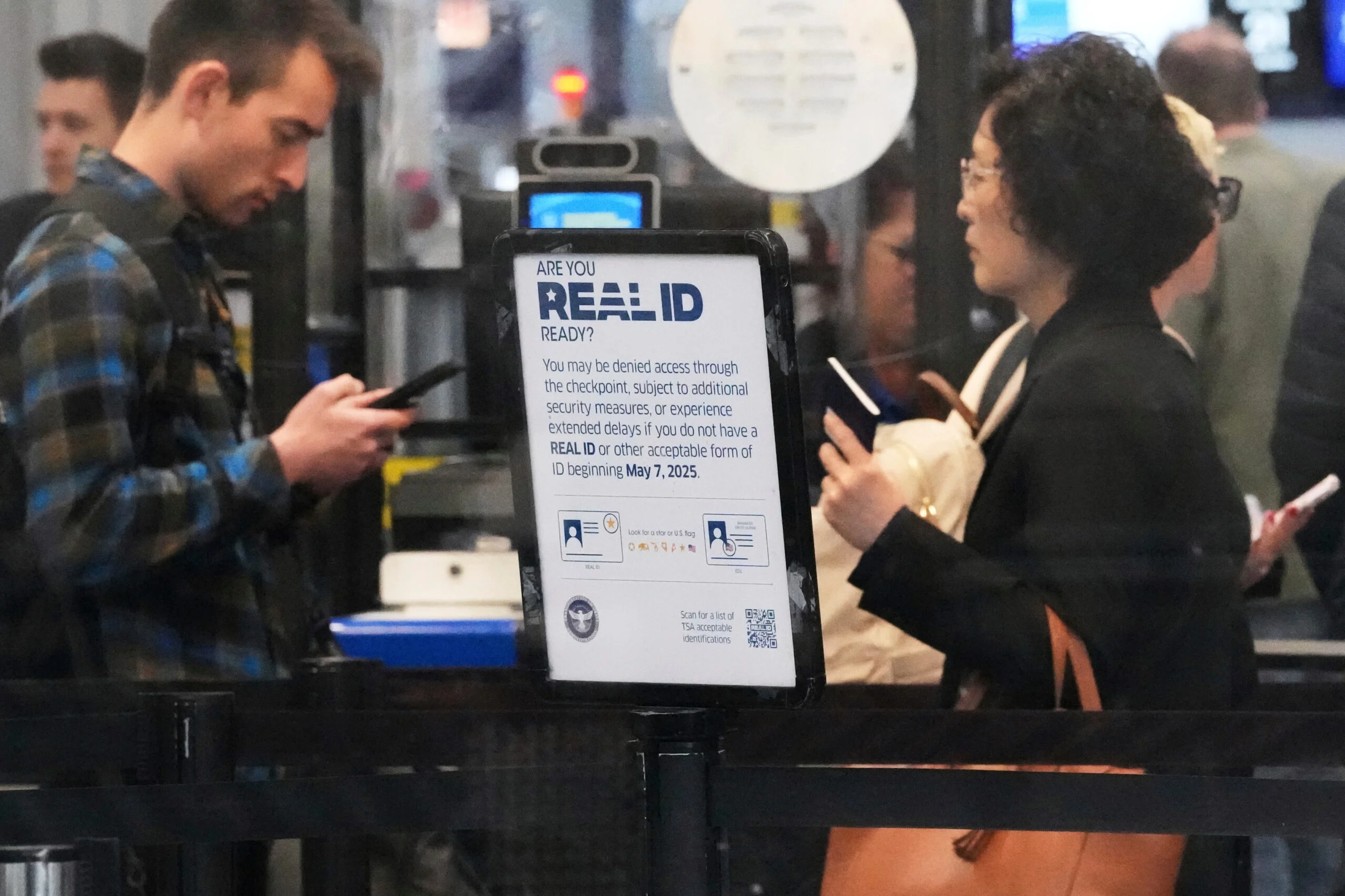
The REAL ID is a state-issued identification card that meets specific federal standards. Instituted in the aftermath of the September 11, 2001, terrorist attacks, the REAL ID program enhances security by implementing stricter requirements for obtaining a driver’s license or state ID. To distinguish these compliant IDs, most states mark them with a white star inside a yellow circle.
Compliance Statistics
According to the Department of Homeland Security (DHS), approximately 94% of air travelers are already compliant with REAL ID requirements. This suggests that most Americans are increasingly aware of and prepared for the updated identification protocols. Nevertheless, the TSA’s intention in introducing the fee aims to encourage the remaining travelers to secure their REAL ID before the updated regulations take full effect.
Fees and Non-Compliance
As of February 1, 2024, any traveler aged 18 and older who attempts to travel domestically without a REAL ID—and who does not have another accepted form of identification like a passport—will be subject to the non-refundable $45 fee. This fee allows travelers to verify their identity through TSA’s alternative “Confirm.ID” system, which is designed to streamline security checks for those lacking the required ID.
Verification Process
It’s important to note that paying this fee does not guarantee successful identity verification. If the TSA cannot verify a traveler’s identity through the available methods, they may be denied boarding. However, if the verification is successful, it will cover a travel period of up to 10 days, giving travelers some flexibility.
Payment Options
Travelers can pay the $45 fee prior to arriving at the airport by using the TSA’s online system. Alternatively, they can opt to pay at the airport before entering the security line; however, this could delay the process by up to 30 minutes, which might impact time-sensitive travelers.
Why the Increase in Fees?
Initially, the TSA proposed only an $18 charge for travelers without a REAL ID. However, after reassessing the operational costs associated with implementing the alternative identification system, they found it necessary to raise the fee to $45.
What IDs Are Acceptable?
In addition to the REAL ID, several other forms of acceptable identification can facilitate a smoother travel experience. These include military IDs, permanent resident cards, and photo IDs issued by federally recognized tribal nations. Furthermore, the TSA now accepts digital IDs from platforms such as Apple Wallet, Google Wallet, and Samsung Wallet at more than 250 airports throughout the United States.
Final Thoughts
While the ongoing implementation of the REAL ID program may pose challenges for some travelers, understanding the requirements and new fees can help ensure a smoother travel experience. By taking the necessary steps to comply with these guidelines, travelers can avoid last-minute hassles and remain informed about the ever-evolving landscape of air travel regulations.