


U.S. Seizure of South African Military Equipment: A Geopolitical Strain
Introduction to the Situation
In a significant development in international relations, the United States Department of Justice has initiated steps to seize military training equipment intercepted while en route from South Africa to China. The move has raised eyebrows in diplomatic circles, as it suggests an escalating campaign by Washington to regulate global technology transactions and curb China’s growing influence.
Details of the Seizure
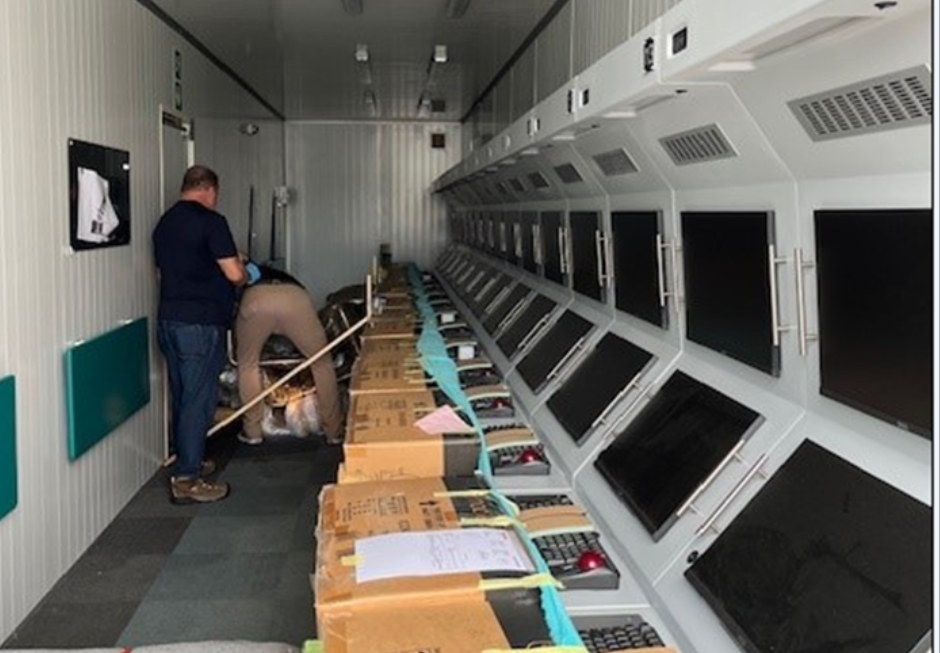
The U.S. authorities launched a civil forfeiture action this week concerning two pieces of military training equipment: mission crew trainers (MCTs) sourced from the Test Flying Academy of South Africa (TFASA). According to U.S. court filings, these trainers are believed to have the potential to bolster China’s military capabilities, specifically in submarine tracking and airborne surveillance.
Allegations Against South Africa
The legal documents assert that the equipment may have been destined for the People’s Liberation Army of China, and that it was allegedly developed using U.S.-origin software and advanced defense technology without the necessary export authorization from the United States. Officials in the U.S. have made comparisons between the seized trainers and those associated with the P-8 Poseidon, a U.S. maritime patrol aircraft designed for anti-submarine warfare.
“Project Elgar”: U.S. Claims
American prosecutors have identified an internal project, dubbed “Project Elgar,” that purportedly aims to train Chinese personnel in the detection and tracking of U.S. submarines in the Pacific. This assertion has been met with robust denial from South African officials and the involved company.
National Security Justifications
U.S. law enforcement, including the FBI and Homeland Security Investigations, have characterized the seizure as a necessary step to protect America’s national security. They argue that transferring advanced training resources could compromise the military’s strategic edge and endanger American service members.
Geopolitical Context
The incident unfolds against a backdrop of growing geopolitical tensions, particularly in light of recent naval exercises involving China, Russia, and Iran in areas adjacent to South Africa. Despite worsening scrutiny from Washington, South Africa has consistently defended these maneuvers as lawful and positioned itself as non-aligned.
TFASA’s Response
TFASA, the company at the center of this controversy, has vehemently denied all allegations, asserting that the seized equipment was non-sensitive and solely intended for training purposes on crew resource management in maritime aviation. They clarified that these were not tactical simulators and did not incorporate advanced military capabilities.
Transparency in Shipment
In a detailed statement, TFASA emphasized that the equipment was based on publicly available information and commercially-licensed software. They assured that the items were vetted by relevant authorities before shipment, confirming the absence of any export-controlled technology. The company emphasized that the shipment was conducted in a transparent manner with full legal compliance.
South Africa’s Diplomatic Engagement
South Africa’s Department of International Relations and Cooperation (DIRCO) is engaging with the United States through diplomatic avenues to address the concerns raised. Spokesperson Chrispin Phiri has underlined the importance of constructive dialogue while seeking to clarify the assertions against Pretoria.
Broader Implications
This case exemplifies the increasing efforts by U.S. authorities to extend their export control regimes beyond domestic borders. It places developing countries, particularly those with non-aligned stances like South Africa, at the center of the great power competition. For Pretoria, this situation reflects the challenging balance between exercising its sovereign right to engage in lawful trade and navigating the expansive, often ambiguous interpretations of national security as seen by the United States.
Final Thoughts
As this situation unfolds, it serves to highlight the complexities of international relations, trade laws, and geopolitical interests. With increasing scrutiny on technology transfers, the balance of power may shift, and nations like South Africa find themselves at a crossroads in defining their foreign policy and international partnerships.