


Published on January 5, 2026

For decades, the wild heart of the USA belonged to everyone. Global travelers saved for years to stand beneath the jagged peaks of the Rockies, dreaming of seeing the golden valleys of the West. Today, those dreams feel much further away. The United States has closed its golden gates slightly tighter, and a heavy new financial burden now rests on the shoulders of global explorers. This policy change transforms the spirit of the Great Outdoors into a luxury item.
A Steep Price for Global Explorers
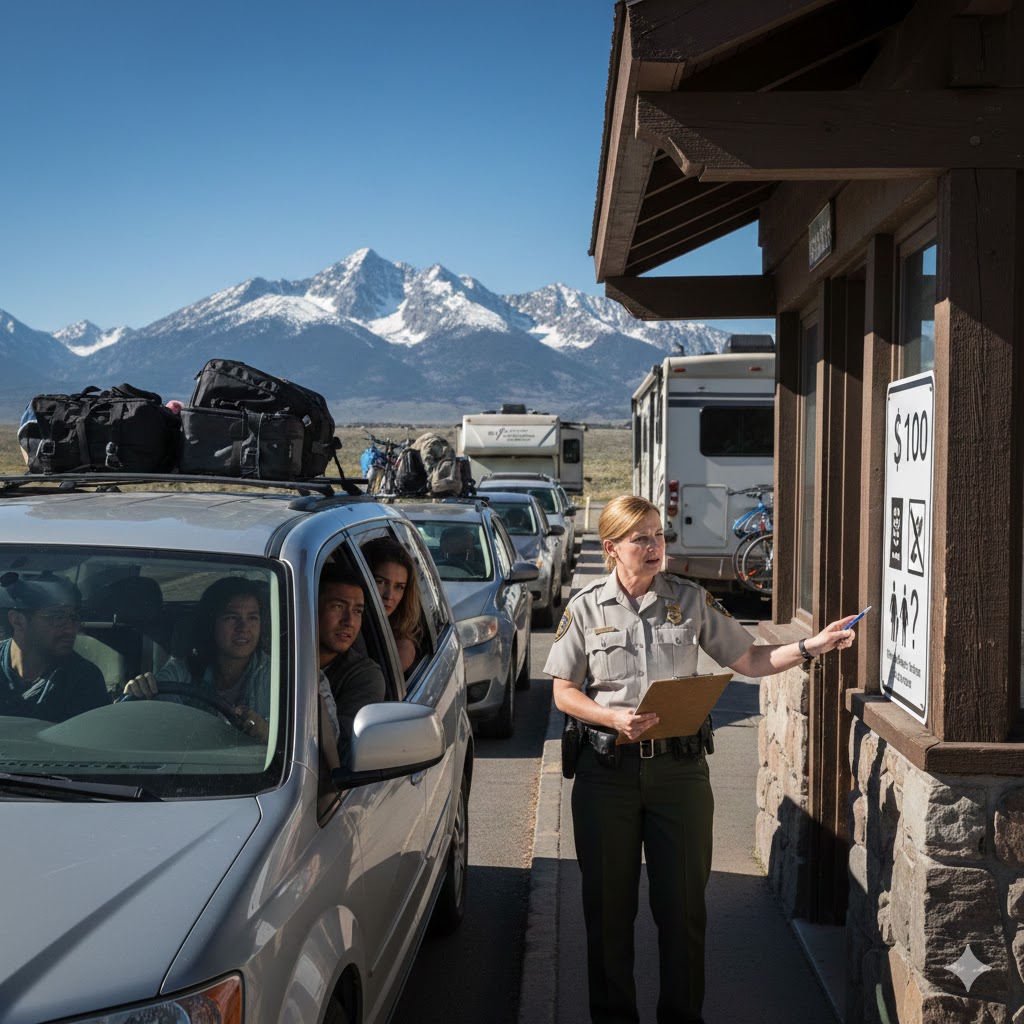
The new “America-First” entry policy, which has now taken effect, targets 11 of the most iconic landscapes in the United States. International visitors must now pay a $100 surcharge per person, in addition to the standard $35 vehicle entrance fee. This means a foreign family of four will pay an additional $400 just to enter the parks. The rule applies to everyone aged 16 and older, requiring travelers to show a U.S. passport or Green Card to avoid this hefty fee. Without these documents, exploring nature becomes staggering in cost.
Tourism Industry Braces for Impact
Tourism experts are sounding the alarm. They fear that this move will significantly dampen international travel. Many travelers dream of taking “Grand Circle” road trips through the West, stopping at parks like Zion, Bryce Canyon, and the Grand Canyon. Under the new rules, the expense of these trips escalates considerably. A solo traveler intending to visit five parks could face an additional $500 in surcharges. Industry leaders now assert that the USA has become the most expensive nature destination globally, leading to concerns that tourists may opt for more affordable options in Canada or Europe instead.
The Death of the Affordable Road Trip
The famous “America the Beautiful” annual pass has also undergone significant changes. While U.S. residents can still purchase it for $80, the cost for international visitors has tripled, now standing at an eye-watering $250 for the same access. Government websites justify this increase as necessary for maintaining infrastructure, claiming that funds will go towards repairing trails and visitor centers. However, the tourism sector views the policy differently, seeing it as a barrier to cultural exchange that will directly impact small towns reliant on foreign spending; they fear deserted gift shops and local cafes.
No More Free Access
This new policy has even eliminated the once-cherished “Fee-Free Days” for foreigners. Previously, dates such as Veterans Day allowed open access for all. Now, international guests are subject to the full $100 surcharge on those days, creating a two-tier system at park entrances. One visitor enters for free by virtue of their birthplace, while another pays a heavy price for merely their curiosity. This disparity feels cold to many in the travel community, transforming a shared heritage into an exclusive gated community.
Economic Ripples Across the Nation
The surcharge isn’t just affecting a select few parks; it sends ripples across the entire tourism sector, impacting iconic locations like Yellowstone, Yosemite, and the Everglades—often considered the crown jewels of American tourism. Tour operators are already witnessing cancellations, as budget-conscious travelers seek alternatives that won’t break the bank with excessive fees. The government may hope to usher in higher revenue through this policy, yet they might find fewer visitors willing to foot the bill.
A Threat to the “Open Road” Brand
For generations, America has marketed itself as the land of the open road. This new policy sharply contradicts that image. The high costs create a sense of exclusion for global citizens. A spokesperson for a major travel agency emphasized this point, noting that the fee makes the USA appear unwelcoming. Families are now considering more affordable countries for their vacations, leading to the perception that the “American Dream” vacation is fading for the middle class.
Harsh Requirements at the Gate
Entering these parks has now morphed into a bureaucratic process. Rangers must verify the citizenship of every adult in a vehicle, likely leading to extensive lines at park entrances. Visitors must present a U.S. State-issued ID or a U.S. Passport, while international tourists need to carry their foreign passports at all times. This adds unnecessary pressure and stress to what should be a relaxing vacation—the joy of exploring the great outdoors is now buried under paperwork and towering costs.
The Future of American Tourism
The long-term effects of this policy are still uncertain, yet the immediate response is one characterized by sadness and frustration. The wild spaces of the world ought to unite people rather than serve as a financial barrier. Nature, after all, does not respect borders or passports; the same wind carries every hiker along the trails. Protecting the right of all individuals to experience these wonders should be paramount. By imposing a $100 fee for simply breathing in the mountain air, we risk losing something invaluable: the warmth and welcoming spirit that once defined the American ethos. The towering Rockies may stand resolute, but they feel colder than ever. It is essential to remember that the true value of these parks lies in the people they inspire. Without global visitors, these majestic spaces may become desolate and quiet.
