


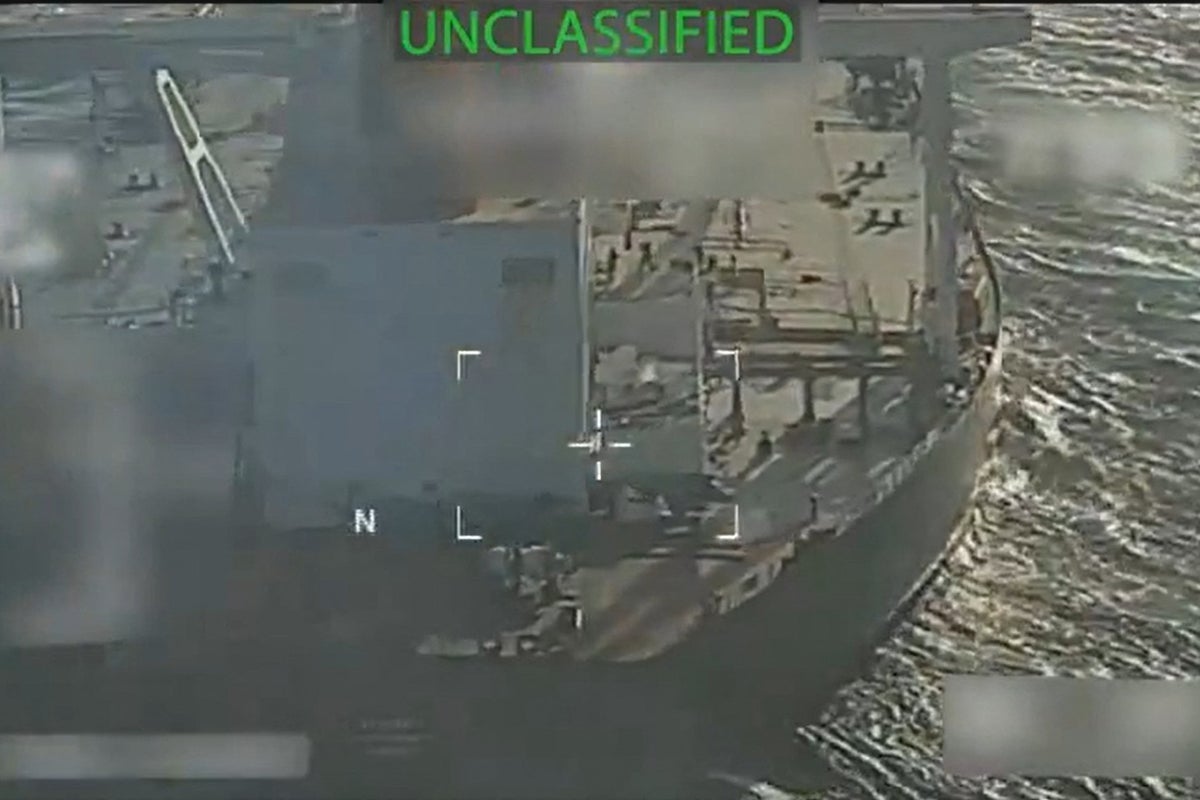
The U.S. Seizure of an Oil Tanker off Venezuela: A Deep Dive
The Context of the Seizure
On a significant day in December 2025, U.S. forces made headlines by seizing an oil tanker off the coast of Venezuela. This action marked an escalation in a long-standing tension between the Trump administration and the Venezuelan government, led by President Nicolás Maduro. The operation was touted as part of a broader strategy against illegal drug trafficking and foreign terrorist organizations, but it reignited discussions about U.S. intervention in foreign nations, particularly those rich in natural resources like oil.
Trump’s Announcement
President Trump addressed the nation, revealing the operation and emphasizing its importance. He described the seized vessel as “the largest one ever” taken by U.S. forces, although details about its name and operations were initially scant. Trump stated, “We keep it, I guess,” leaving many to speculate about the fate of the tanker and the implications of this unprecedented military action.
Caracas’ Response
The Venezuelan government wasted no time in denouncing the seizure as an “international act of piracy.” This rhetoric framed the U.S. intervention as an aggressive tactic aimed at exploiting Venezuela’s rich oil reserves, which officials claim belong solely to the Venezuelan people. Ministerial statements from Caracas reflected a sense of indignation and urgency, asserting that the motives behind U.S. actions were purely economic.
Legal Justifications and Political Ramifications
Attorney General Pam Bondi characterized the tanker as part of an illicit oil shipping network supporting terrorism. This legal framing served to legitimize the seizure in the eyes of the American public and international community. It also illustrates a broader strategy of using sanctions and military action to apply pressure on foreign nations deemed problematic by U.S. officials.
Two unnamed sources confirmed that the U.S. Coast Guard conducted the operation, which adds an additional layer of complexity regarding the legal frameworks involved in maritime seizures of this nature.
Economic Implications
Following the seizure, oil prices experienced fluctuations, indicative of the market’s sensitivity to geopolitical tensions. Reports showed that Brent crude futures and U.S. West Texas Intermediate crude futures both saw slight increases, underscoring how tightly intertwined oil markets are with political developments. This seizure effectively hampered Venezuela’s ability to engage in lawful trade, as shippers would likely become more cautious around handling Venezuelan oil exports under the imminent threat of U.S. military action.
Escalating Tensions
This latest military operation fits into a pattern of increased U.S. naval presence in the Caribbean. The Pentagon has conducted numerous strikes against vessels suspected of drug trafficking, illustrating a more aggressive posture toward Venezuela that includes not just aerial but also naval engagements. Trump remarked on the situation, suggesting a readiness to escalate the military response even further, possibly introducing ground operations into the mix.
Voices of Dissent
The operation has drawn mixed reactions from both sides of the political spectrum. Some Democrats and even a few Republicans have criticized the action, advocating for restraint and caution. Virginia Senator Tim Kaine voiced concerns over the legality of the strikes, suggesting that these aggressive maneuvers risk entangling the U.S. in yet another foreign conflict—a sentiment echoed by several lawmakers wary of military overreach.
Public Opinion
Public sentiment around these military actions is polarized. A CBS News survey indicated that while a majority support using military force against drug trafficking vessels, there’s substantial opposition toward direct military action in Venezuela. This dichotomy in public opinion illustrates a complex narrative where intervention against drug trafficking is seen as necessary, but intervention in Venezuela’s internal affairs is generally frowned upon.
A Broader Perspective
The developments surrounding the seized oil tanker serve as a vivid example of the intersection between military action, economic interests, and international politics. The U.S. has a complex history of interventions in Latin America, often justified through the lens of national security and the fight against narcotics. Yet, as tensions rise and the political landscape shifts, questions about the motives and consequences of such actions become increasingly pertinent.
This ongoing narrative highlights not only the importance of oil as a strategic resource but also the intricate web of diplomacy and conflict where national priorities and global repercussions come into play. The ramifications of the seizure, politically and economically, could shape the U.S.-Venezuela relationship for years to come, reflecting the ebb and flow of power, control, and resistance in an increasingly interconnected world.