


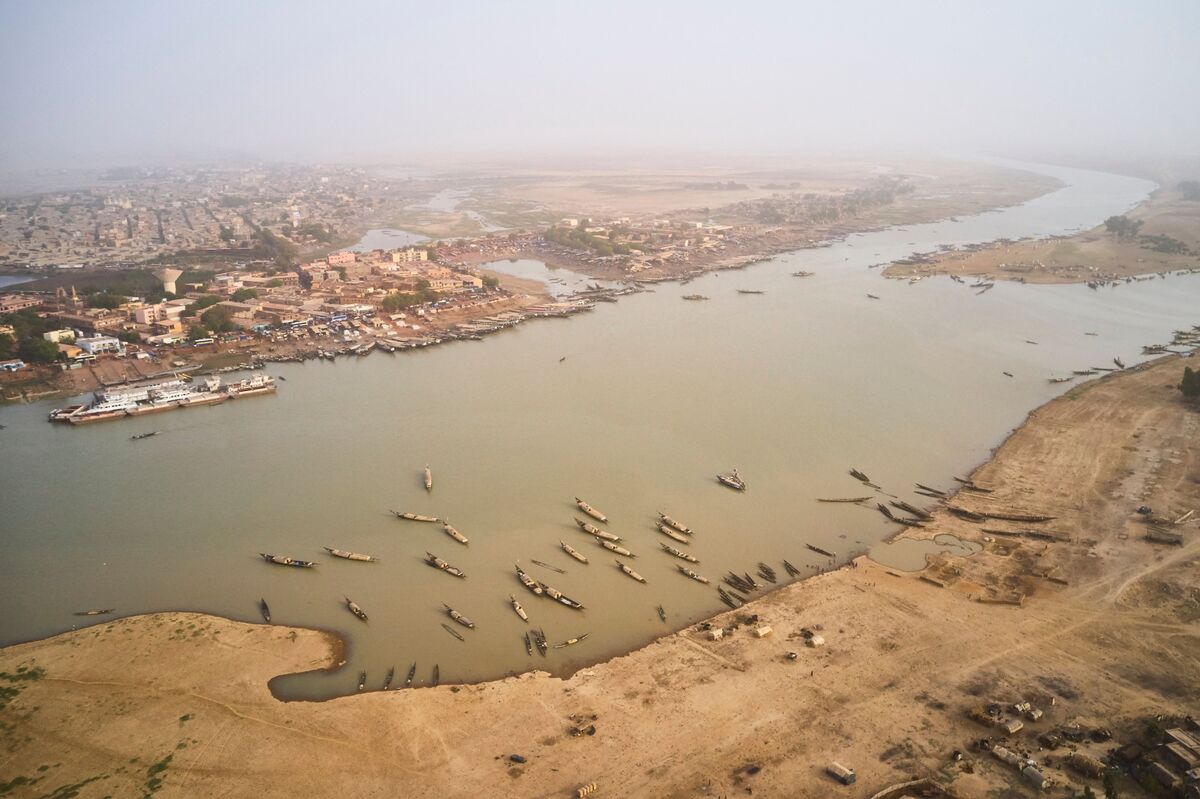
A New Chapter for West Africa: The Launch of a Regional Investment Bank
In a significant move aimed at bolstering regional development, the military-led governments of Mali, Burkina Faso, and Niger have unveiled plans for a new regional investment bank. With an initial capital infusion of 500 billion CFA francs, equivalent to approximately $895 million, this initiative is set to finance crucial projects across infrastructure, energy, and agriculture. This article will delve into the implications and potential of this ambitious undertaking.
The Strategic Vision Behind the Bank
The establishment of this regional investment bank stems from a shared vision among the three nations. As the Sahel region grapples with various challenges, including security threats and economic instability, the new financial institution aims to provide a platform for sustainable development. By pooling resources and expertise, these countries hope to create a more resilient economy that can better withstand external shocks.
Areas of Focus: Infrastructure, Energy, and Agriculture
One of the primary objectives of the investment bank is to address critical gaps in infrastructure development. Many areas in Mali, Burkina Faso, and Niger face outdated or nonexistent infrastructure, which hampers economic growth and access to essential services. The bank will prioritize roads, bridges, and transportation networks, aiming to connect rural communities with urban centers, thereby facilitating trade and mobility.
In addition to infrastructure, energy projects are set to play a vital role. Access to reliable electricity is a significant hurdle in many regions of West Africa. The investment bank will aim to fund renewable energy initiatives, such as solar and wind projects, to provide sustainable and affordable energy options. This focus not only addresses immediate energy needs but also aligns with global efforts toward green energy solutions.
Agriculture, the backbone of the economy in these nations, is also a critical area of investment. By enhancing agricultural productivity through improved irrigation systems, modern farming techniques, and access to markets, the bank aims to boost food security and economic resilience in the region. This is particularly important in light of climate change, which poses significant risks to traditional farming practices.
Collaborating for Success
The regional investment bank encourages collaboration not only among the three nations but also with international partners. By inviting investment and expertise from outside, the bank aims to leverage additional resources for its projects. This could involve partnerships with multinational corporations, development agencies, and non-governmental organizations (NGOs) that share a commitment to fostering development in the Sahel.
Furthermore, as the bank takes shape, transparency and governance will be essential considerations. Establishing a robust framework for decision-making and accountability will be crucial to building trust and ensuring effective fund allocation. Engaging local communities in the planning and execution phases will also be vital, as grassroots involvement can lead to projects that are more responsive to the needs of the people.
Addressing Challenges Head-On
While the establishment of a regional investment bank is a promising step, the three countries face formidable challenges that must be tackled for the initiative to succeed. Security concerns, particularly in the context of insurgent activities, could hinder investments and project implementations. Additionally, navigating bureaucratic hurdles and ensuring political stability will be critical for long-term success.
Economic disparities among the three nations may also pose challenges. Coordinating efforts and aligning the development strategies of Mali, Burkina Faso, and Niger will require concerted diplomacy and collaborative governance.
The Broader Impact on Regional Integration
The formation of this investment bank signifies a crucial step toward greater regional integration in West Africa. By working jointly on developmental projects, these countries can create synergies that enhance regional capacity. This approach not only strengthens individual nations but also paves the way for enhanced cooperation within the Economic Community of West African States (ECOWAS) framework.
As the Sahel region continues to confront numerous socio-economic challenges, the investment bank represents a beacon of hope. Its successful implementation could set a precedent for similar collaborative efforts across the continent, fostering a sense of shared responsibility for regional development.
Conclusion
The launch of the regional investment bank by the military-led governments of Mali, Burkina Faso, and Niger marks a pivotal moment in the pursuit of sustainable development in West Africa. With a focus on infrastructure, energy, and agriculture, coupled with collaboration and regional integration, this initiative has the potential to transform the economic landscape of the Sahel. The journey ahead will undoubtedly be fraught with challenges, but the shared vision of progress could yield significant rewards for generations to come.