


The 2025 College Football Coaching Carousel and Its Impact on Recruiting
The college football landscape is known for its unpredictability, and the 2025 season’s coaching carousel was no exception. With several high-profile coaching changes, programs faced the pressing challenge of rebuilding their recruiting classes. Navigating this transition is no easy feat; new coaches often have limited time to solidify commitments and instill confidence in their programs.
The Importance of High School Talent
While the transfer portal has become a go-to solution for filling immediate gaps, the essence of building a successful college football program continues to derive from high school recruiting. Developing a strong foundation with young talent is crucial for sustaining long-term success and minimizing future coaching turmoil. Programs that effectively manage this dynamic emerge not just as quick fixes but as durable contenders.
Top Programs Navigating Coaching Changes
Several Power 4 programs demonstrated adept handling of transitions in coaching staff, successfully retaining and attracting young talent in the process.
Virginia Tech: James Franklin’s Quick Turnaround
After taking over from Penn State’s coaching staff, James Franklin quickly transformed a previously unranked Virginia Tech recruiting class into a group recognized among the nation’s top 25. His strategic raiding of Penn State’s commitments saw at least ten former Nittany Lions opt for Hokies, underscoring Franklin’s savvy use of existing connections. Notably, Franklin secured top Virginia prospects, including offensive tackle Thomas Wilder, who had initially decommitted from Virginia Tech.
Arkansas’ Local Focus with Silverfield
After the firing of Sam Pittman, new head coach Silverfield faced the challenge of rallying a disjointed recruiting class. Leveraging local relationships proved beneficial; within hours of his appointment, he secured commitments from in-state defensive tackle Danny Beale and running back Terry Hodges, who flipped from Missouri. This focus on home-grown talent, alongside retaining several Arkansas recruits, helped Silverfield elevate the class back into the middle ranks nationally.
Stability at LSU with Lane Kiffin
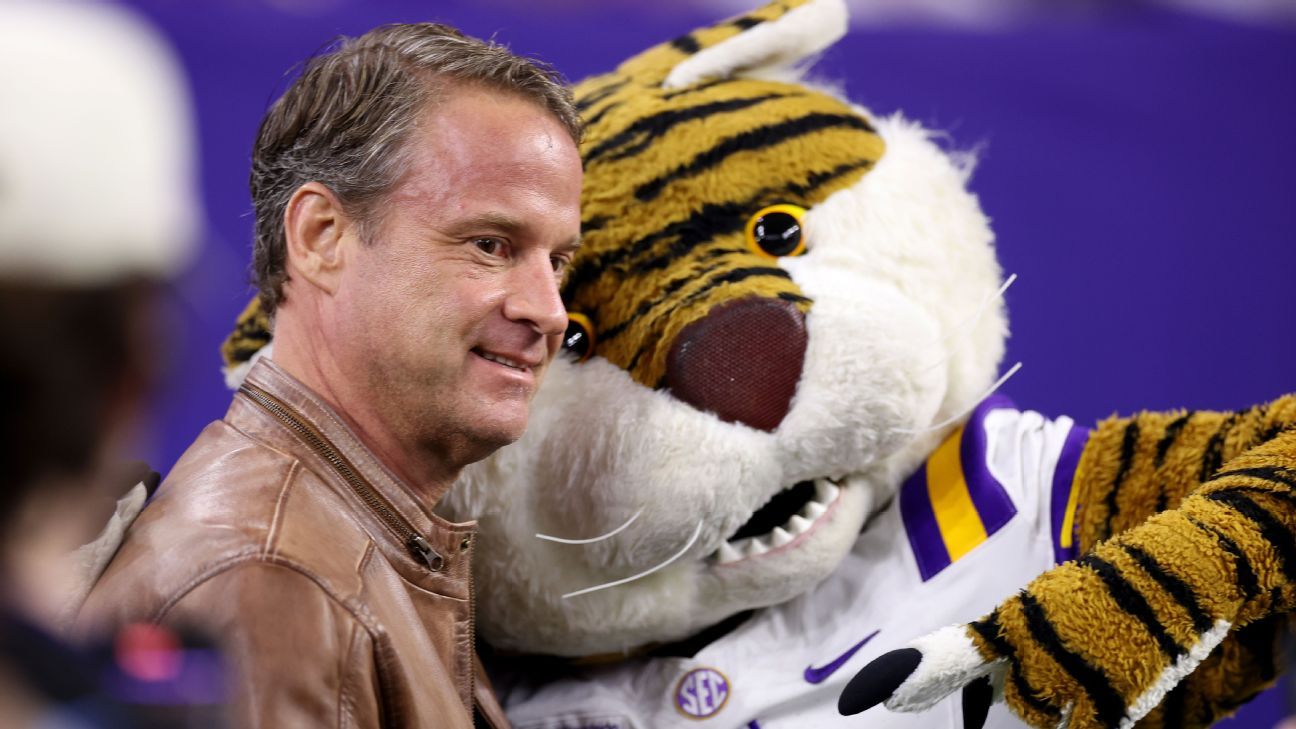
When Lane Kiffin took the helm at LSU, he inherited a talented recruiting class, which he managed to maintain during a critical early signing period. Holding onto prospects like the state’s top player, Lamar Brown, helped the Tigers sustain momentum. Kiffin’s ability to add quality recruits, such as tight end J.C. Anderson from Ole Miss, further solidified the class, preventing a potential collapse.
Florida’s Steady Transition Under Jon Sumrall
While coaching changes can send programs into a tailspin, Florida managed to maintain the excellence seen in their recruiting efforts under former coach Billy Napier. Jon Sumrall and his staff kept the core of the recruiting class largely intact, losing only one notable commit to Texas A&M. Flaunting 12 ranked prospects, including five-star defensive end JaReylan McCoy, Florida demonstrated a level of stability that many other programs could not manage.
Ole Miss and the Quick Surge Under Golding
Ole Miss displayed decisiveness in appointing Golding as the new head coach, a move that paid off as the Rebels managed to keep a strong recruiting class together. Despite losing a few commitments to LSU, they retained a substantial number of their top prospects, including the state’s top running back, Damarius Yates. Golding leveraged his momentum to attract additional top talent, such as four-star receiver Jase Mathews from Auburn.
Stanford’s Quiet Resurgence
Among the quieter success stories was Stanford, which managed to piece together a top-30 class despite three coaching changes in four years. Pritchard’s strategy of retaining critical prospects like SC Next 300 safety Lasiah Jackson, alongside securing stars along the offensive line, indicated a turning tide for the Cardinal program. Additionally, securing emerging quarterback talents showcased their potential for future success.
Auburn: Slow Steps Toward Recovery
In contrast, Auburn has faced a challenging road, consistently struggling since 2019. New head coach Golesh started slow but exhibited promise by retaining key prospects, including three ranked linebackers and flipping recruits from other programs like Michigan. These incremental victories could lay the groundwork for future improvement and stability.
Oklahoma State’s Hurdles and Future Prospects
Eric Morris inherited a relatively barren recruiting class following a tumultuous tenure under Mike Gundy. Under difficult circumstances, Morris managed to shift the narrative, evidenced by bringing former commit Kaydin Jones back into the fold. With a keen eye for potential, Morris is also working to develop a pipeline from North Texas to bolster Oklahoma State’s talent base.
Cal’s Steady Groundwork with Lupoi
Finally, at California, new head coach Lupoi emphasized maintaining stability during the transition period. His reputation for nurturing player relationships paid dividends, as no recruits departed after his appointment. The foundation established by this stability is essential for laying a consistent recruiting strategy moving forward.
In the intricate ballet of college football coaching changes and recruitment, the most successful programs are those that turn upheaval into opportunity while fostering relationships and local talent for sustained success. The effective management of these transitions has broad implications for the future, signaling both immediate and long-term repercussions in college football. Each of these programs showcases unique approaches and strategies to ensure a robust recruiting class amid a swirling coaching landscape.