


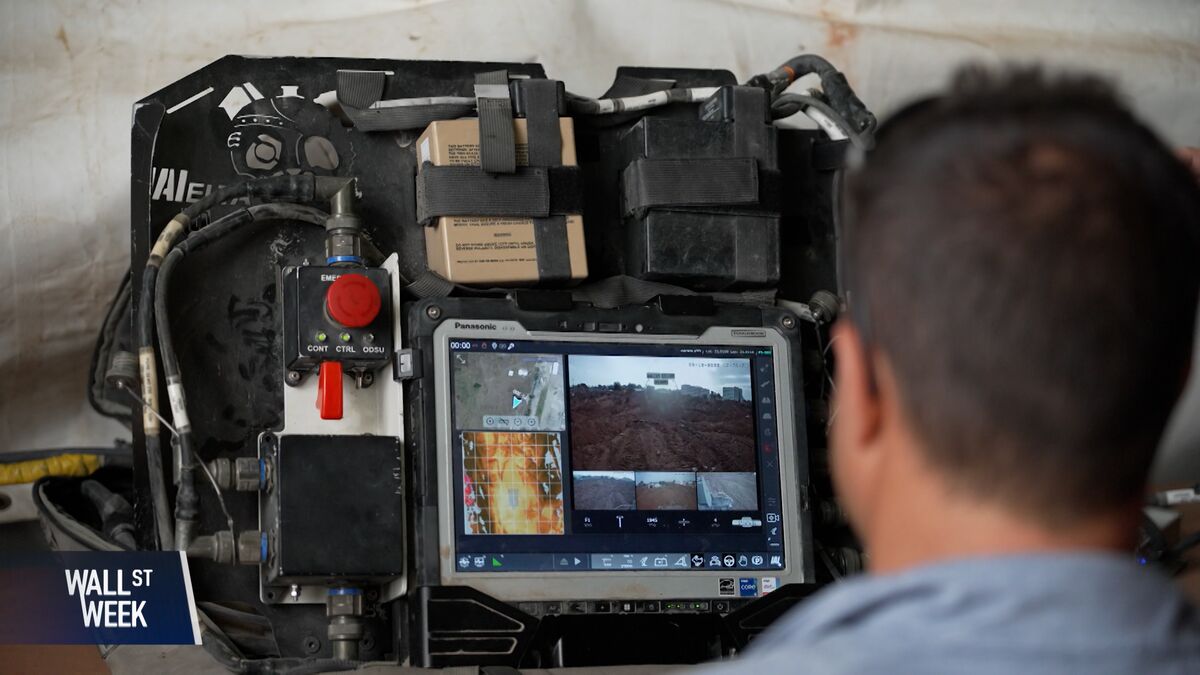
Israel’s Defense Technology: A Global Demand Amid Controversy
Despite widespread criticism of its military operations in Gaza, Israel’s defense sector is experiencing unprecedented global demand. Countries around the world are increasingly purchasing Israeli defense technologies, leading to record-high defense exports. This paradox highlights the intricate dynamics of international relations, security needs, and the effectiveness of Israel’s military innovations.
The Surge in Defense Exports
According to recent reports, defense exports from Israel have soared to historic levels. Nations in Europe, the United States, and India are particularly keen on acquiring technologies including advanced missile defense systems, drones, and other battlefield-tested solutions. As geopolitical tensions simmer in many regions, countries are turning to tested technologies that promise efficiency and reliability.
Missile Defense Systems: Meeting Urgent Needs
One of the key attractions for nations looking to bolster their defenses is Israel’s missile defense technology. The Iron Dome, a revolutionary system designed to intercept and destroy short-range threats, has proven its effectiveness repeatedly. Countries with similar security concerns are now eager to replicate this success. Companies like Israel Aerospace Industries (IAI) are at the forefront, tailoring their offerings to meet the specific needs of international buyers.
Boaz Levy, CEO of IAI, emphasizes that the need for protection against missile threats is universal. “What we’ve developed here can save lives, and that’s what countries are interested in,” he notes. The urgency of these needs often outweighs the political ramifications, leading governments to prioritize security over criticism.
Drones: The Future of Warfare
Drones represent another area where Israel excels. The growing reliance on unmanned aerial vehicles (UAVs) for reconnaissance, surveillance, and combat roles exemplifies the changing nature of warfare. Israeli companies like Elbit Systems have made significant strides in producing versatile UAVs that enhance military capabilities.
Kobi Kagan, CFO of Elbit Systems, highlights that the unique operational experience gained in various conflicts gives Israeli technologies an edge. “Our systems are not just theoretical; they’re proven and adaptable,” Kagan explains. This practical know-how makes Israeli drones particularly attractive to countries looking to modernize their military forces, even amid political tensions.
The Role of Startups in Defense Innovation
Beyond established defense contractors, a burgeoning ecosystem of startups is also contributing to Israel’s defense output. Entrepreneurs like Udi Oster and Moshiel Biton are developing cutting-edge technologies that address emerging threats and enhance traditional capabilities. These innovations range from cybersecurity solutions to advanced communication systems.
These startups benefit from Israel’s unique environment which fosters innovation. “We’re in a landscape where creativity and necessity drive technological advancement,” Oster notes. This dynamic not only helps Israel stay at the forefront of defense technology but also positions it as a key player on the global stage.
Navigating Political Backlash
Despite the booming defense sector, the international criticism surrounding Israel’s military actions, particularly in Gaza, remains a complex issue. Governments around the world often grapple with the disparities between their security requirements and the ethical implications of their defense procurements.
Colonel Yishai Cohen, from the Israeli Defense Ministry, acknowledges the challenges. “The reality is that nations must consider their security needs first. While discussions around ethics are important, they can sometimes come second to existential threats.”
The Global Geopolitical Landscape
The demand for Israeli defense technology also reflects broader geopolitical shifts. As nations reassess their security strategies in response to emerging threats—from cyber warfare to regional instability—countries often opt for reliable partners like Israel, known for its innovative and effective defense solutions.
The connection between defense procurement and international relations is undeniable. Strengthening military ties with Israel not only enhances a country’s defense posture but also serves to bolster diplomatic relationships, further entrenching Israel’s position in global defense markets.
Conclusion
Israel’s defense technology sector is thriving amidst a backdrop of geopolitical complexities. The confluence of proven effectiveness, urgent security needs, and a deep commitment to innovation positions Israel as a pivotal player in the global defense landscape. As demand for these technologies continues to rise, a fascinating interplay of politics, ethics, and security will shape the future of international relations and defense strategy.