


An Offseason Revolution: The New York Mets’ Bold Rebuild
A Season of Change
The 2026 MLB offseason has been nothing short of dramatic for the New York Mets. With long-time stalwarts like Pete Alonso, Brandon Nimmo, Jeff McNeil, Edwin Diaz, and Starling Marte departing, fans are left to digest a seismic shift in the roster. These players, who collectively amassed a combined 36 seasons with the Mets, are no longer the core of the team. The departure of such fan favorites evokes a mix of nostalgia and apprehension for the franchise’s future.
A New Wave of Talent
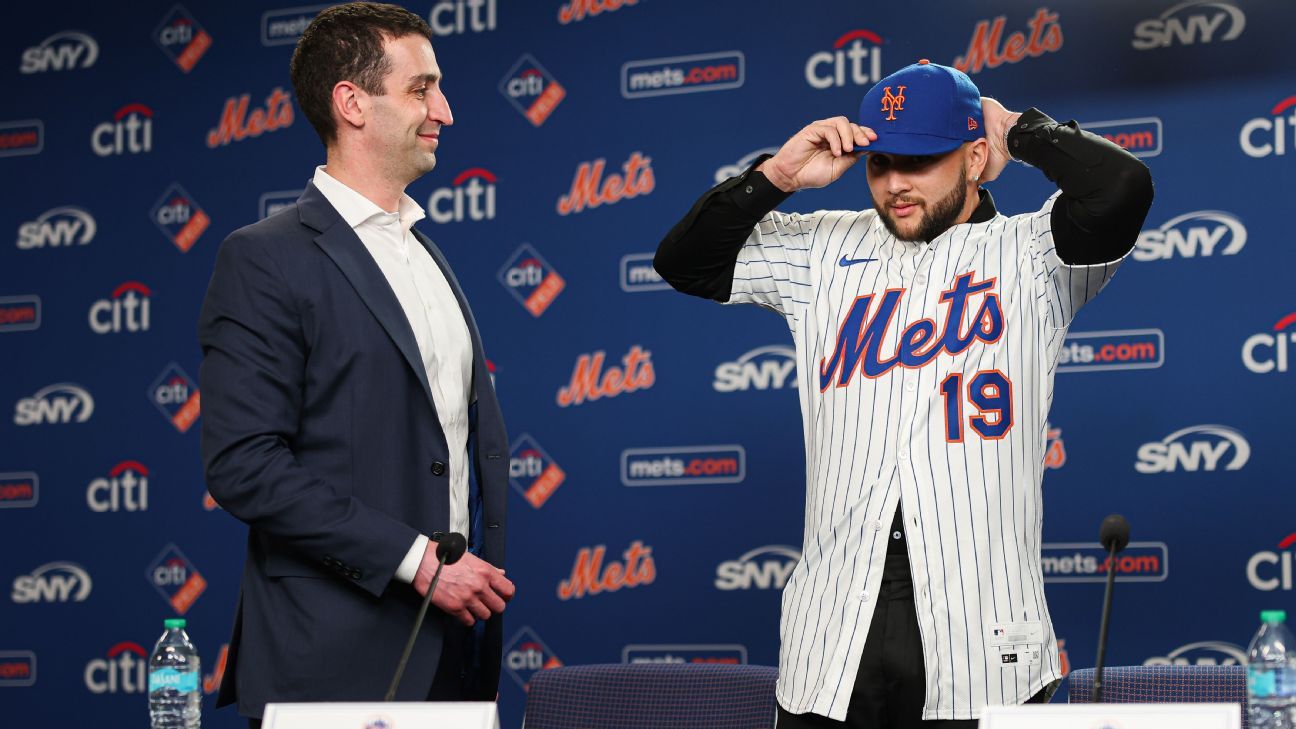
The Mets have taken substantial steps to reshape their roster, welcoming new faces like Bo Bichette, Freddy Peralta, Marcus Semien, Jorge Polanco, and Luis Robert Jr., all of whom bring significant skill and capability. The acquisition of these players highlights President of Baseball Operations David Stearns’ commitment to revamping the team and potentially crafting a championship-caliber roster.
After disappointing results in the previous season, where they missed the playoffs despite an elevated payroll, it became evident to Stearns that major changes were necessary. His message after the 2025 season was clear: no option was off the table for the Mets, who finished with an 83-79 record. Stearns’ foresight is clear—stagnation is not an option in this competitive league.
The Balance of Change
Stearns’ overhaul may not have started as a preferred strategy, but his agile pursuit of talent has revitalized the Mets. After losing out on Kyle Tucker, the acquisition of Bichette shows Stearns’ quick reaction in a fierce free-agent market. While Bichette’s fit may not be perfect, he complements standout players like Francisco Lindor and Juan Soto nicely at the top of the lineup.
In addition to offensive upgrades, the Mets have also fortified their defense. Semien, fresh off a Gold Glove season, and Robert, an elite defensive center fielder, add layers of stability to a previously porous defense.
Financial Strategy
Stearns’ moves indicate a measured financial strategy focused on long-term planning. For example, while Semien comes at a slightly higher annual salary compared to Nimmo’s, his shorter contract duration allows the Mets more flexibility moving forward. Similarly, the swap of Alonso for Polanco shifts financial risks and positions the team for future success.
The projected wins from the new acquisitions add to the argument for Stearns’ strategy. A lineup featuring newcomers like Bichette, Semien, and the returning stars could see a significant uptick in performance, which is crucial in a league where every win counts.
Evaluating Departures
With notable names like Alonso, Nimmo, Diaz, McNeil, and Marte exiting, the impact of their departures will be felt. Collectively, the outgoing players provided an estimated 12.4 combined WAR (Wins Above Replacement), while the incoming players are projected to contribute approximately 15.5 WAR. This 3.1 WAR swing, especially in critical areas like offense and defense, reflects the Mets’ ambition to create a more efficient and competitive team.
The financial implications of this turnover also deserve attention. The Mets’ payroll is slated to rise to $365 million in 2026, fueled by high-value signings and strategic trades. The presence of dead money, however, such as the payments associated with inactive contracts, brings its own challenges into the financial equation for the Mets, forcing them to navigate their investments carefully.
The Road Ahead
As the 2026 season approaches, the Mets find themselves under the spotlight. Questions abound regarding their status among the league’s elite, particularly in the densely competitive National League East. With their revamped roster, they aim not only for improvement but also for a shot at the division title amidst strong competition from teams such as the Atlanta Braves and Philadelphia Phillies.
A critical eye is on their pitching rotation, where consistency remains a key concern. Although led by newly acquired Freddy Peralta and supplemented by promising talent, projections indicate a mixed performance outlook. Does this new configuration have the depth and reliability to stand against formidable opponents?
The Bigger Picture
The Mets’ offseason decisions echo a broader managerial philosophy: the pursuit of efficiency, balance, and adaptability. Stearns’ approach signals a renewal of faith in the franchise’s potential while recognizing the importance of flexibility and calculated risks in roster construction.
As the Mets embark on this new journey, the anticipation from fans is palpable. They have a fresh roster with explosive potential, but the lingering memories of departed stars will always serve as a benchmark for what the team aims to achieve. Are the new-look Mets ready to embrace this bold chapter and pursue success in 2026 and beyond? Only time will tell, but the stage is set for an intriguing season ahead.