


U.S. Military Action in Venezuela: Key Players and Global Reactions
Background: The Strike on Venezuela
Recent military actions taken against Venezuela have ignited a wave of political discourse and international scrutiny. The strike, largely supported by key figures in the U.S. government, including Vice President J.D. Vance and Secretary of State Marco Rubio, has been characterized as a significant response to ongoing issues surrounding narcotrafficking and the leadership of Nicolás Maduro. Attorney General Pam Bondi confirmed that two individuals captured in the operation have been indicted for narco-terrorism and conspiracy to import cocaine.
Politicians and Their Stances
Support from U.S. Officials
Vance and Rubio’s endorsement of the military operation underscores a strong U.S. commitment to combating drug trafficking originating from Venezuela. Their positions reflect longstanding allegations that the Maduro regime has facilitated drug trade as a means of sustaining its power amidst growing sanctions and economic hardship.
International Reactions: Calls for Diplomacy
Australia’s Stance
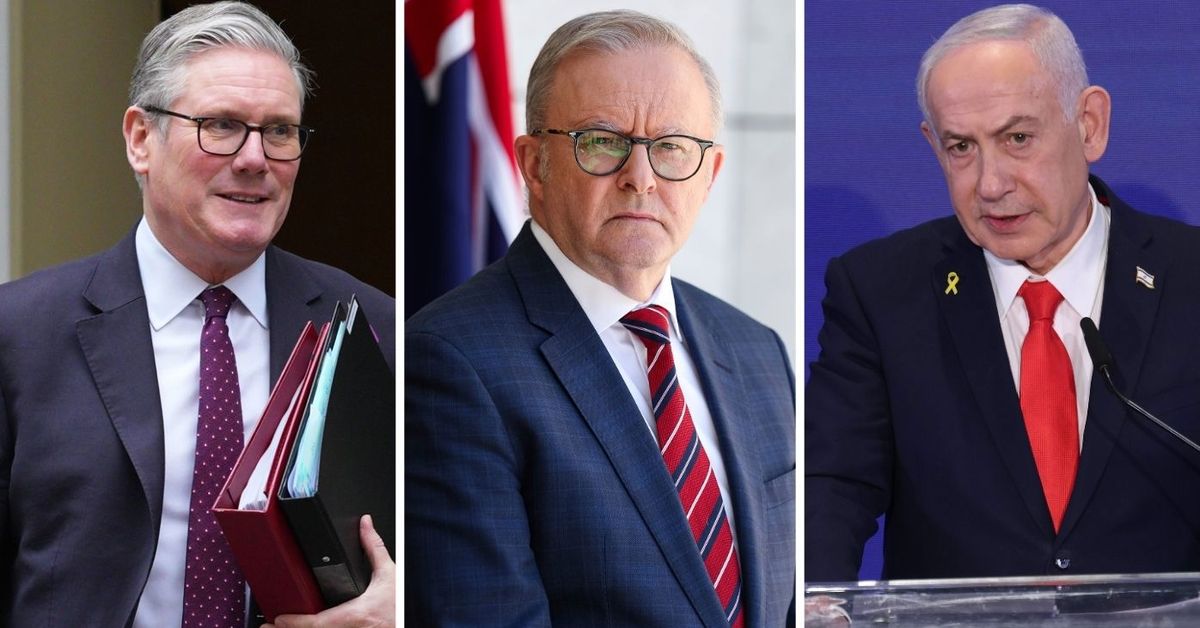
The global response has been varied, with nations like Australia taking a notably measured approach. Prime Minister Anthony Albanese emphasized the importance of dialogue and diplomacy, aiming for regional stability. He expressed concerns about the Venezuelan situation but refrained from criticizing the U.S. military operation directly. Albanese reaffirmed Australia’s backing for international law and a peaceful democratic transition in Venezuela, advocating for respect for human rights and democratic principles.
Strong Disapproval from Various Governments
The opposition to U.S. actions has been forceful from several quarters. For instance, Spanish Prime Minister Pedro Sánchez expressed that while Spain does not recognize Maduro’s government, it also opposes unilateral military interventions that violate international law. He called for a fair and negotiated transition that considers the needs of the civilian population.
Reactions from European Leaders
British Prime Minister Keir Starmer echoed sentiments of skepticism at first but later clarified that the U.K. supports a transition of power in Venezuela, labeling Maduro an illegitimate president. French President Emmanuel Macron likewise underscored the need for a peaceful and democratic transition while projecting optimism about the future leadership of the country.
Broader Implications: Global Condemnation
Criticism from Russia and China
The international backlash to U.S. actions included sharp condemnations from nations like Russia and China. Russia’s foreign ministry denounced the strike as armed aggression, arguing that the pretexts used by the U.S. were unfounded and calling for dialogue and negotiation within Venezuela. Similarly, China expressed “deep shock,” condemning the use of force against what it perceives as a sovereign nation.
The Parallel of Justice and Human Rights
Opposition Leader Sussan Ley highlighted the profound impact of Maduro’s regime on Venezuelan society, characterizing the government’s actions as leading to years of repression and human rights abuses. Her statements resonate with the shared international sentiment that advocates for the Venezuelan people’s right to reclaim democracy and sovereignty.
Support for U.S. Actions from Allies
Not all voices have opposed the U.S. actions. Israeli Prime Minister Benjamin Netanyahu publicly praised former President Trump for his decisive leadership, framing it as a bold move for freedom and justice in Venezuela. This underscores the polarized reactions to the military action, reflecting deep divisions in global politics over the legitimacy of interventionist strategies.
Looking Ahead: A Call for Stability
As the dust settles from the U.S. military actions in Venezuela, it is apparent that the ramifications will stretch far beyond the immediate military objectives. The emphasis from various governments on the necessity for a peaceful transition and adherence to international law highlights the complex interplay of geopolitics, human rights, and global diplomacy in navigating the Venezuelan crisis.
The world watches as the situation in Venezuela unfolds, raising critical questions about sovereignty, justice, and the role of international powers in local conflicts.