


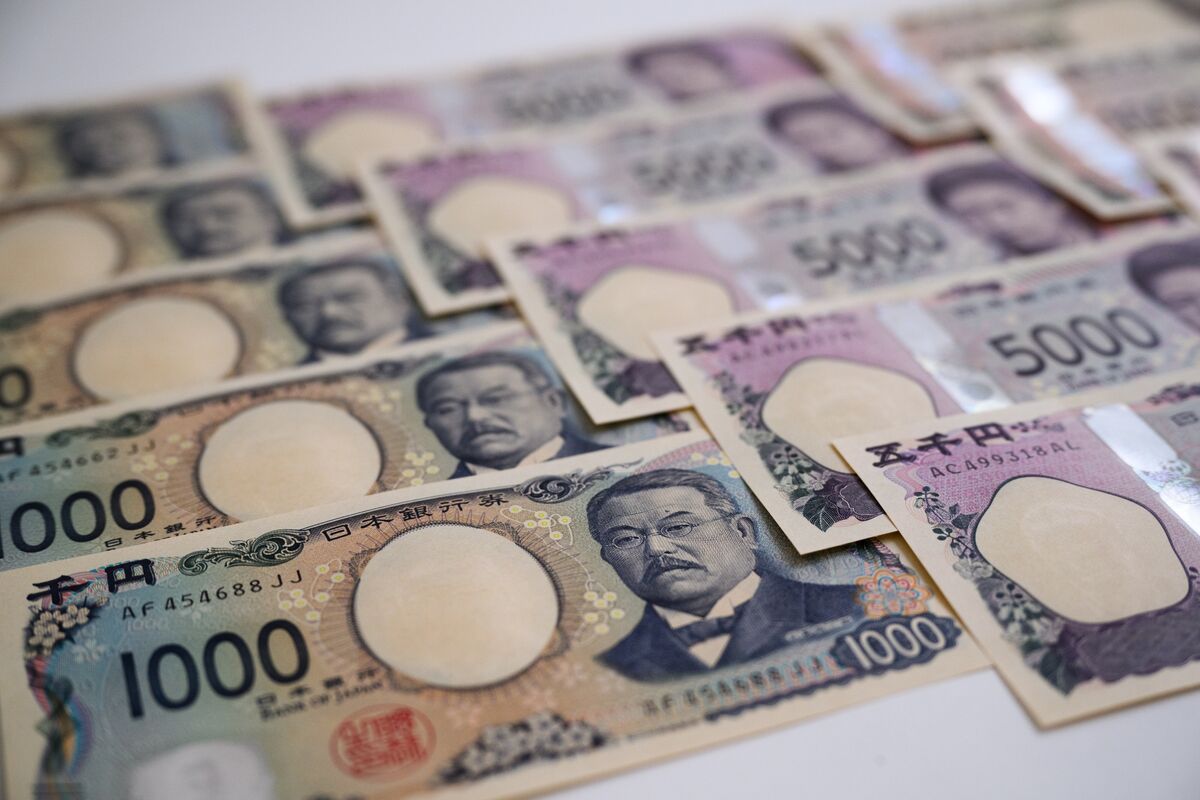
The Yen’s Remarkable Surge: Understanding the Factors Behind the Rally
In an unexpected turn of events, the Japanese yen experienced its largest one-day surge in nearly six months, sending shockwaves through the currency markets. This dramatic movement has raised eyebrows and sparked discussions among traders, economists, and currency enthusiasts alike. The surge follows widespread speculation that Japanese authorities are contemplating a rare market intervention aimed at stabilizing the yen, which has suffered a significant decline over recent months.
Background on the Yen’s Decline
Over the past few months, the yen has faced considerable pressure, primarily driven by Japan’s monetary policy and global economic trends. Historically perceived as a safe haven currency, the yen gains value during times of uncertainty. However, persistent low-interest rates and aggressive monetary easing by the Bank of Japan (BOJ) have weakened the currency, leading to fears of inflation and misalignment with global counterparts. The Bank of Japan’s strategy to maintain ultra-low rates has contributed to the yen’s depreciation against major currencies such as the U.S. dollar and the euro, causing concern among investors.
Speculation on Government Intervention
Fueling the recent surge in the yen is the growing speculation that the Japanese government might intervene in the currency markets to halt its slide. Market interventions, where authorities buy or sell currencies to stabilize or increase their values, are relatively rare in Japan. However, the current economic landscape and the yen’s rapid fall have led many to believe that such drastic measures could be on the horizon. Analysts have noted that the Japanese government has a vested interest in maintaining currency stability to protect the economy, which is particularly sensitive to exchange rate fluctuations.
Market Reactions and Investor Sentiment
The abrupt rise in the yen has caused a ripple effect throughout the financial markets. Traders quickly adjusted their positions in response to the potential intervention, creating an environment of heightened volatility. Investor sentiment, which had previously leaned towards the yen as it weakened, shifted dramatically. Many traders viewed the rise as a confirmation of the government’s commitment to maintaining a stable currency, revitalizing interest in Japanese assets and potentially leading to a realignment of the currency’s value in the long term.
The Impact of International Relations
Japan’s currency policy is also influenced by its international relations, particularly its trade dynamics with the United States and Europe. The yen’s decline has posed challenges for Japanese exporters, who benefit from a weaker currency due to enhanced price competitiveness in foreign markets. However, prolonged depreciation raises costs for importers and could lead to inflationary pressures domestically, complicating the economic landscape. As the yen strengthens, Japanese businesses face a delicate balancing act, weighing the benefits of a stronger currency against the potential challenges it brings.
The Role of Central Banks
The situation highlights the critical role of central banks in shaping currency values and market conditions. The Bank of Japan stands at the forefront of these discussions, especially as it navigates pressures from both domestic and international stakeholders. While the BOJ has maintained its stance on low rates, any hint of a shift in policy or intervention could lead to dramatic changes in currency flows and investor behavior. Observers are keenly aware that central banks operate in a complex environment where shifts in monetary policy can have far-reaching consequences.
Looking Ahead: The Yen’s Future
As the yen reacts to speculation and market dynamics, the coming days and weeks will be crucial in determining its trajectory. Investors and analysts are closely monitoring both government statements and broader economic indicators to gauge the likelihood of intervention and the potential for continued volatility. A key aspect of this situation is how the wider global economy responds to shifts in currency values and how these responses may impact Japan’s economic recovery in a post-pandemic world.
By examining these varied facets surrounding the yen’s remarkable surge, it becomes clear that the dynamics at play are intricate and far-reaching, influencing not just the currency itself but the entire economic landscape in which Japan operates.