


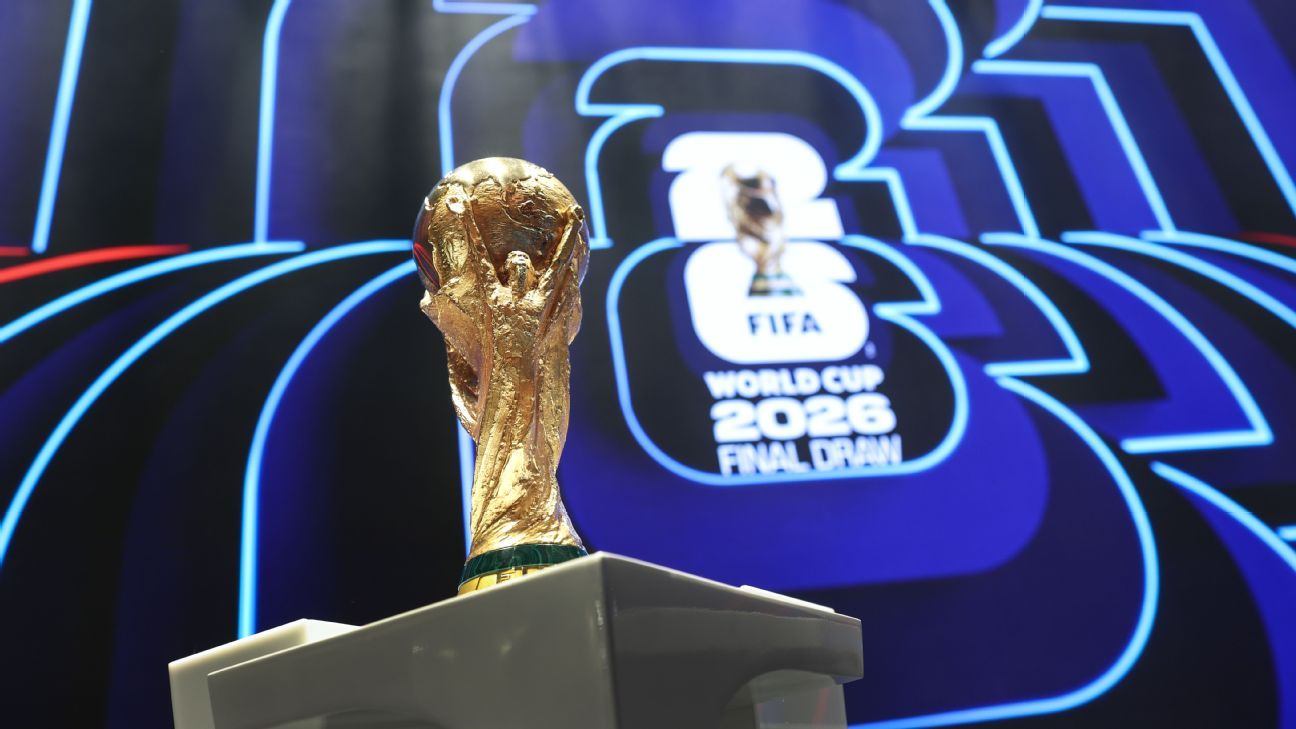
It’s Time! The 2026 FIFA World Cup Group Stage Draw
As the countdown to the 2026 FIFA World Cup continues, excitement and anticipation are building across the globe. This monumental event, taking place in the heart of North America—spanning the United States, Canada, and Mexico—will soon reveal its structure during the highly anticipated group stage draw at the iconic Kennedy Center in Washington, D.C.
The Significance of the Group Stage Draw
The group stage draw is not merely a formality; it sets the stage for the World Cup journey. For the 48 teams fortunate enough to qualify, this moment is pivotal. They will learn which of their rivals they will face in the quest for soccer’s most coveted trophy. With the expansion to 48 teams, the stakes have never been higher, and the diversity of the competitors promises an incredible showcase of talent and passion.
A Global Spectacle
The significance of the World Cup extends beyond the pitch. It’s a global spectacle where nations unite not just in competition but in celebration of the beautiful game. Fans worldwide will tune in, their eyes glued to the screen as they await the announcement of the groups. The draw symbolizes hope for aspiring underdogs and validation for established powerhouses, encapsulating the spirit of competition.
Live Updates and Reactions
As the draw unfolds, fans can expect a flurry of live updates across various media platforms. From key statistics on past performances to instant reactions from players, managers, and fans, the excitement will reverberate throughout the soccer community. For those unable to attend, social media will serve as a vital conduit for sharing reactions and analysis in real-time.
The Road to the Trophy
The formation of the twelve groups of four teams each will be critical in shaping the path to the final. Analysts and former players will provide insights into potential ‘groups of death’—those that house the fiercest competition—and predict which teams might emerge victorious. The blend of seasoned veterans and rising stars promises to create thrilling matchups that fans will eagerly anticipate.
Historical Context
The Kennedy Center, a landmark synonymous with art and culture, provides a fitting backdrop for this historic event. It holds reminders of past tournaments while also paving the way for new stories to be written. With the World Cup now being co-hosted for the first time in three nations, historical records will inevitably be set, reshaping the narrative of future tournaments.
Preparing for the Game
In the lead-up to the draw, national teams will be preparing intensively, analyzing potential opponents, and strategizing. Coaches will be refining their game plans based on historical data and current forms, while players will be mentally gearing up for what will be the pinnacle of their careers.
Cultural Exchange Through Soccer
Soccer is more than just a sport; it’s a medium of cultural exchange. The World Cup will bring together diverse communities, showcasing the rich tapestry of cultures represented by the participating nations. Fans, players, and officials will share experiences that transcend borders, promoting unity and understanding through their common love for the game.
The Future of Soccer in North America
As the World Cup approaches, the effect on soccer in North America cannot be understated. This will serve as an opportunity to elevate the sport’s profile in the region, inspiring the next generation of players and fans. Local leagues are likely to flourish, benefiting from the excitement and attention that comes with hosting such a monumental event.
In the spirit of anticipation and excitement, the countdown to the 2026 FIFA World Cup group stage draw is just the beginning. As we wait for the groups to take shape, the world is united in excitement, eagerly looking forward to a summer of world-class soccer.