


Breaking Down the Republican Revolt over Health Care Subsidies
An Unlikely Alliance
In a surprising turn of events, four centrist Republicans have sided with Democrats in a push to extend pandemic-era health insurance subsidies. This move marks a significant shift in the dynamics within the House, as it directly challenges the authority of Speaker Mike Johnson. The lawmakers—Brian Fitzpatrick, Robert Bresnahan, Ryan Mackenzie, and Mike Lawler—have signed a Democratic-led petition intending to force a House vote on extending these vital subsidies for an additional three years.
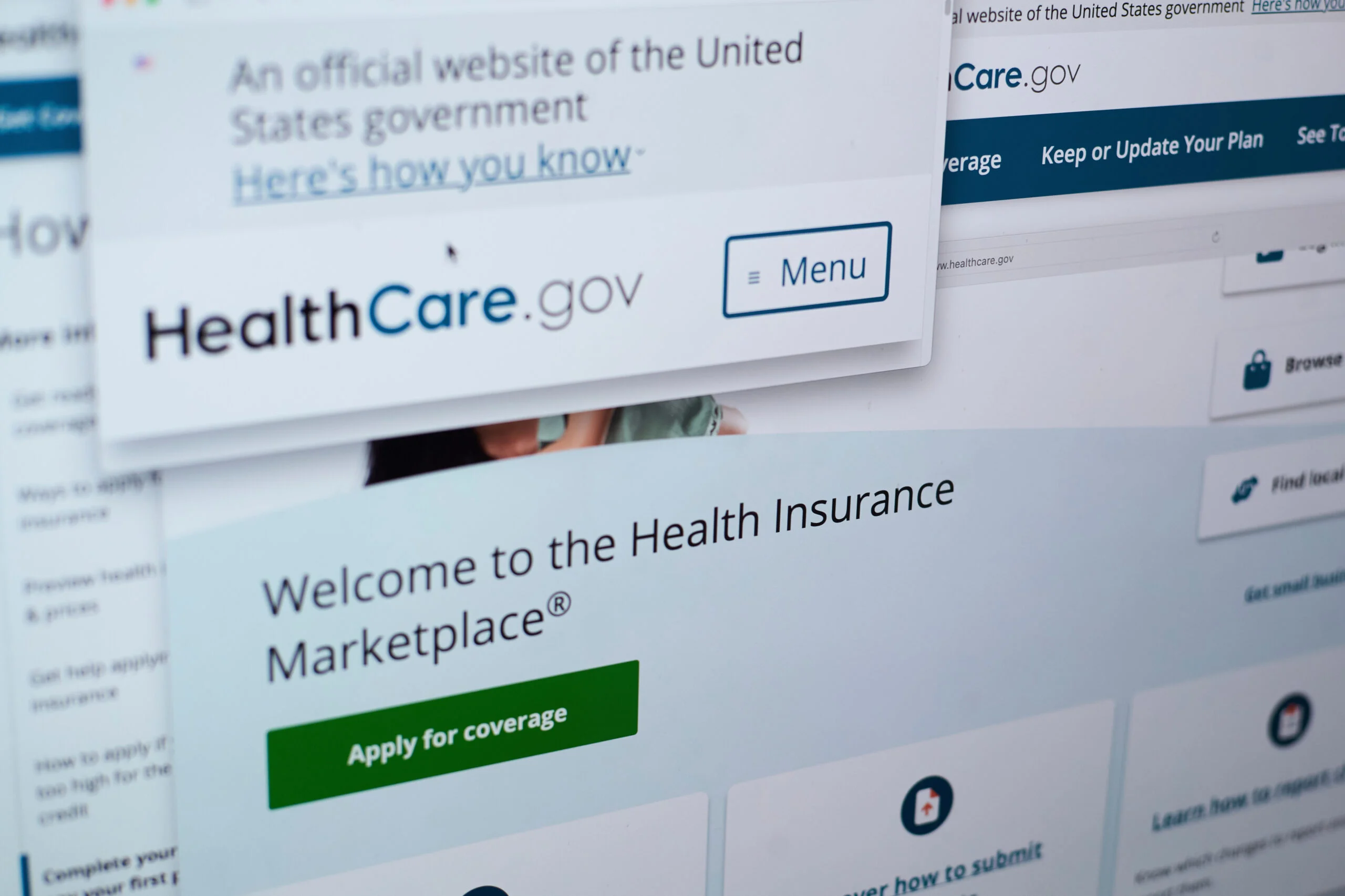
The urgency surrounding this issue has escalated, especially with looming hikes in health insurance premiums for millions of Americans. These increases are set to occur due to the expiration of tax credits for those who purchase insurance through the Affordable Care Act (ACA) at the end of the year.
A Clash of Leadership
The situation intensifies as Republican leaders have pushed forward a health care bill that notably overlooks the critical issue of rising premiums. Instead of addressing this pressing concern, the legislation focuses on expanding coverage options for small businesses and the self-employed. The bill managed to pass mostly along party lines, with a close vote of 216-211, excluding broad support for the subsidy extension.
Fitzpatrick has been vocal about his discontent, asserting that the leadership’s failure to allow a vote on the compromise left them with no choice but to seek alternative routes for their constituents. “Unfortunately, it is House leadership themselves that have forced this outcome,” he stated.
The Reason Behind the Revolt
This revolt is not just a coincidence; it stems from recent discussions among party members regarding health care subsidies. In the weeks leading up to the petition, Speaker Johnson entertained the idea of granting vulnerable lawmakers a chance to vote on a temporary extension of these subsidies. However, a faction of more conservative members within the party resisted, labeling the subsidies as an endorsement of “Obamacare,” a term that carries significant political weight.
Johnson admitted that the circumstances are atypical, indicating that maintaining control in such a slim majority has become increasingly challenging. His acknowledgment underscores the growing rift within GOP ranks, where moderates and conservatives often clash on policy issues.
Discharge Petitions: A Rare but Significant Tool
Discharge petitions are often seen as a last resort for lawmakers seeking to bypass leadership and bring a bill to the floor. Normally, these efforts fail to gather sufficient support. However, recent developments suggest a shift in this norm, as bipartisan collaboration has emerged, albeit within a very specific context. The petition for the ACA subsidies can directly impact the health care costs borne by Americans, especially in battleground districts.
Democratic leader Hakeem Jeffries has been a staunch advocate for gathering Republican support for this initiative, urging those in competitive districts to act in the best interest of their constituents. His approach seems to resonate as evidenced by the four Republican signatures that now allow for a potential vote in January.
Political Implications and Upcoming Challenges
The political landscape is likely to get more contentious as Democrats aim to spotlight health care costs in the 2024 midterm elections. The four moderate Republicans represent districts that are crucial for Democratic aspirations to reclaim the House majority. Their support for the petition signals a potential shift in strategy as lawmakers gear up for a critical election cycle.
As the dynamics evolve, even if the House manages to pass the subsidy extension, the Senate presents a formidable challenge. Recent Republican opposition in the Senate to similar measures suggests the discontent will not simply dissolve with House approval. The possible involvement of a few moderate senators in crafting a bipartisan solution remains in question.
The Path Forward
As lawmakers navigate these complexities, the push for health care subsidies continues to hang in the balance. While Republicans express concerns over what they perceive as the ineffectiveness of the ACA, the pressure from constituents experiencing rising costs may sway some to reconsider their stance. The unfolding drama within Congress serves as a reminder of the intricate and often unpredictable nature of American politics, particularly as lawmakers work through the pressing concerns of health care and its accessibility.