


The Legacy of Courageous Questioning: Reflections on African Identity and Kawaida Philosophy
The Significance of September 7th
As September 7th approaches, it brings with it the rich history of the Organization Us, an influential pillar during the Black Power movement. This date is not just a marker in time; it signifies the establishment of the African American Cultural Center, the birthplace of Kwanzaa, and the introduction of Nguzo Saba, the Seven Principles underlying this vibrant pan-African celebration. Each of these facets serves as a testament to the enduring quest for cultural authenticity and liberation, grounded in the historical fabric of African heritage.
Kawaida: A Philosophy Rooted in Courage
At the heart of this legacy is Kawaida, a philosophy conceived through diligent research and the courageous questioning of our origins and values. Kawaida invites us to reflect on what it means to be African in a world often marked by colonial narratives and oppression. This philosophy embodies a commitment to both critical examination and the tangible resistance against injustices. Our ancestors engaged in this “courageous questioning” as they sought to illuminate a path toward an authentic African identity.
The Tradition of Questioning
Courageous questioning is not a new phenomenon; it is woven into the very fabric of African history. From Seba Khunanpu, who dared to seek justice from authority figures in ancient Egypt, to Fannie Lou Hamer, who challenged America’s self-proclaimed values of freedom, the tradition continues to resonate today. It embodies a refusal to accept the status quo and invites us to challenge assumptions that perpetuate oppression.
The Impact of Ancestors
Our guiding figures—Seba Khunanpu, Messenger Muhammad, and Malcolm X—each exemplify a rich tradition of questioning. Their legacies encourage us to embrace a divinity that champions freedom instead of oppression. This line of thought also echoes through the teachings of Dr. Carter G. Woodson and Dr. Mary McLeod Bethune, who emphasized education as a tool for liberation.
Courageous Questioning Defined
The essence of courageous questioning, or nedjnedj ken, can be traced to the ancient Egyptian Book of Rekhmira. It speaks to virtues essential for a Maatian civil servant: wisdom, insight, and the courage to challenge prevailing injustices. Such questioning encourages a relentless pursuit of truth, demanding accountability from those in power and fostering a culture of justice and harmony.
The Pursuit of Maat
Courageous questioning, rooted in the quest for Maat—truth, justice, and balance—urges us not only to speak out against injustice but to act. This commitment can lead to questioning deeply entrenched conventions and advocating for transformative changes. The ancestors remind us that questions can be powerful tools for justice and liberation.
The Legacy of 1960s Questioning
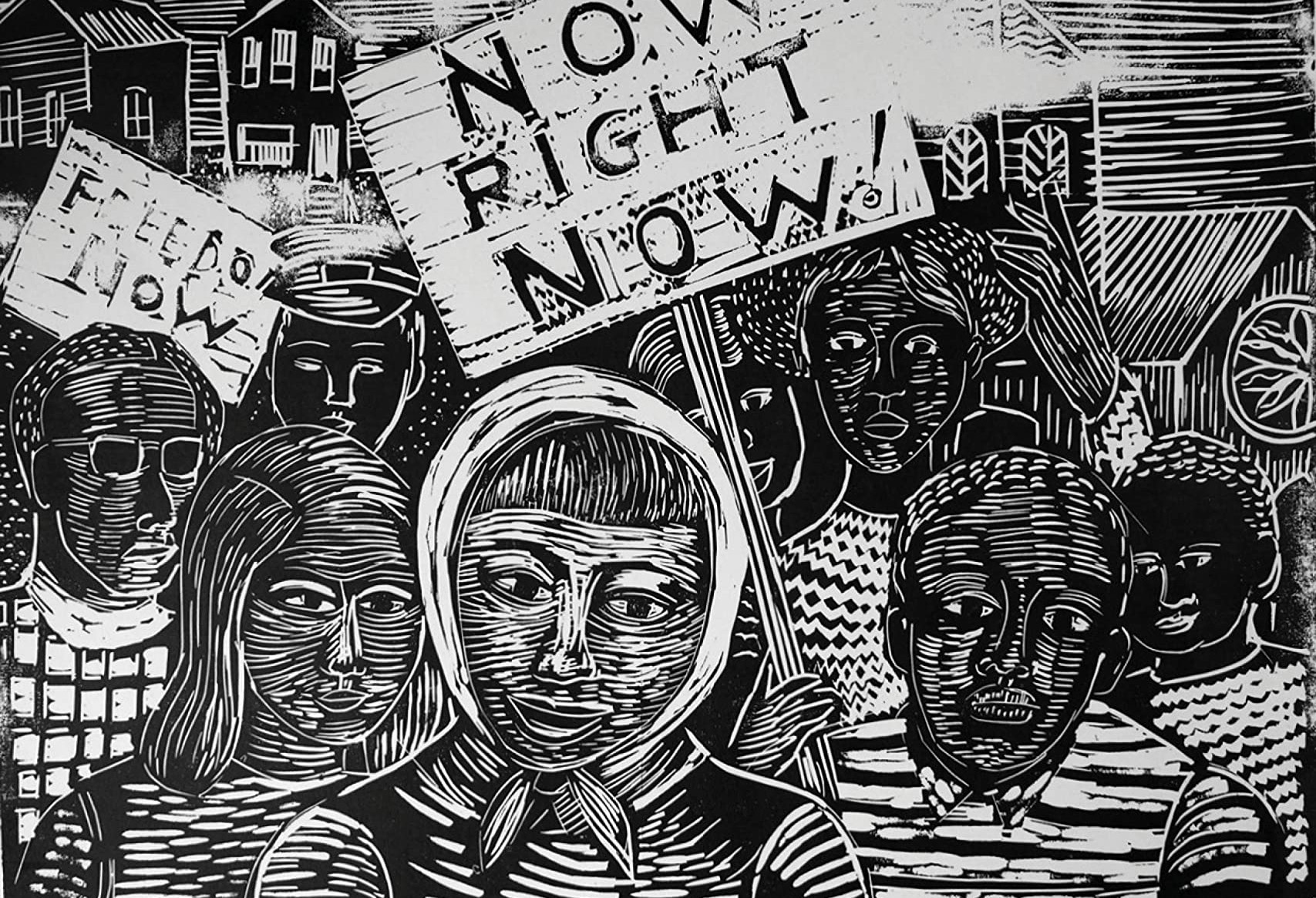
The 1960s heralded an era where Black identity began reclaiming its narrative. As the concept of “Blackness” took shape, those who questioned societal norms faced both resistance and consequences. This spirit of inquiry revolved around identity, purpose, and direction—key aspects that defined African American experiences during this transformative period.
Identity and Purpose in Questioning
The inquiries made throughout history regarding identity led to an affirmation of the intrinsic worth of Black lives. It rebuffed the narratives imposed by oppressors, insisting on a vastly different interpretation of African identity as a source of dignity and strength. Questions became not just reflections but a means to redefine societal norms, urging a deeper understanding of what it means to belong to a rich, diverse heritage.
Questioning the Authority of Oppression
The act of courageous questioning often involved a comprehensive examination of our oppressors’ claims. Were these narratives of superiority, divinity, or civilization true? As the leaders before us questioned these long-standing assumptions, they challenged the narrative that sought to define us through a lens of inferiority. Such questioning paved the way for a reevaluation of racism, classism, and other oppressive frameworks.
A Holistic Approach to Freedom
Courageous questioning also extends beyond racial and social injustices. It encompasses a broader understanding of the environmental crises facing our planet. The call to repair and restore—not just ourselves but the world we inhabit—remains an essential part of this quest for liberation. In the spirit of serudj ta, we are reminded of our responsibility to care for the earth and each other.
Reaffirmation of African Values
This continued dialogue around questioning has enabled a reaffirmation of African values and traditions. By examining historical injustices and our response to them, we reclaim our narrative and articulate our aspirations for a more equitable future. This legacy is a call for introspection and communal responsibility, echoing through generations.
In recognizing the profound impact of courageous questioning, we situate ourselves within a rich historical continuum, acknowledging our past while actively engaging in the present. This engagement invites us to reflect not only on where we come from but also on where we aspire to go as a community, ever driven by the noble quest for justice and truth.