


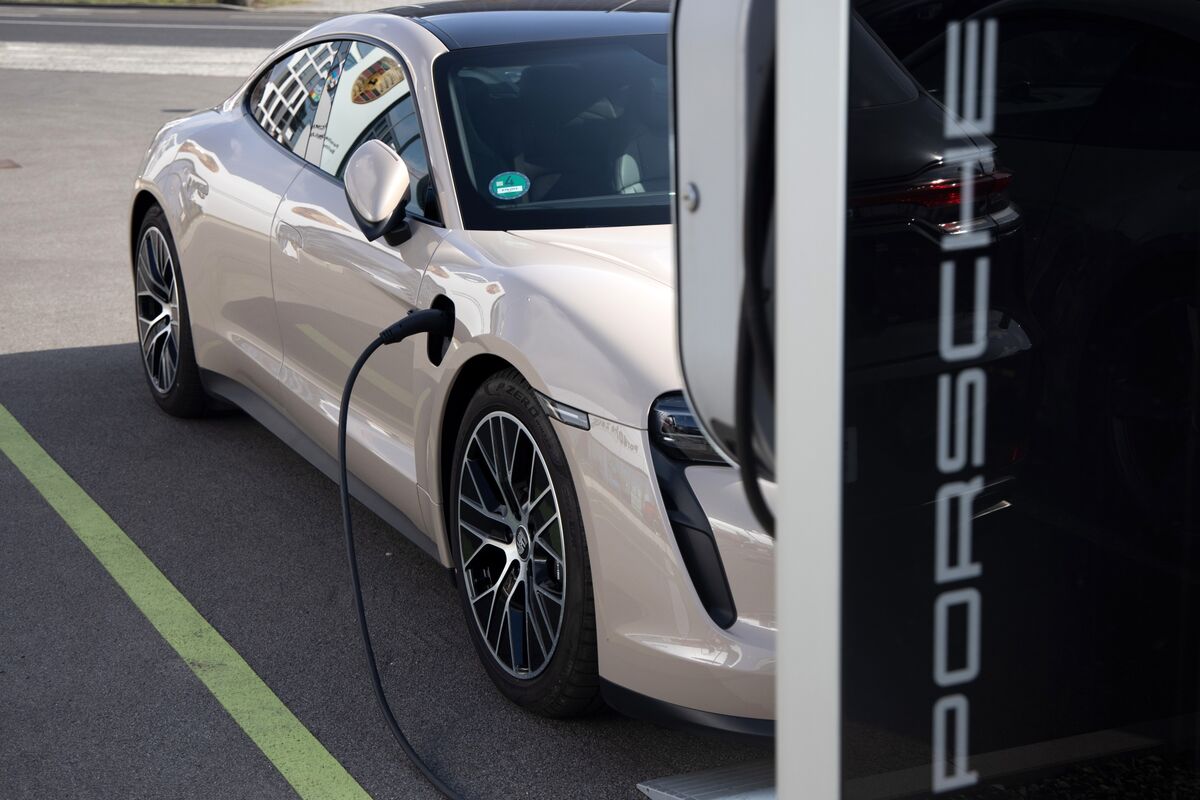
Porsche AG and the Shift in Electric Vehicle Strategy
A Strategic Correction
Porsche AG, renowned for its performance-driven luxury cars, is taking a significant step back from its ambitious electric vehicle (EV) strategy. The decision to slow down production and sales of electric models comes as a response to financial pressures that have been tightening margins across the company. This move is particularly critical given the broader implications for Volkswagen AG, Porsche’s parent company, which has been feeling the strain of Porsche’s costly foray into the electric market.
The Financial Impact
The luxury car segment has always been a delicate balance of innovation and profitability. In recent years, Porsche has heavily invested in developing electric models to compete in a rapidly evolving market. However, this aggressive investment has not paid off as expected. The shift toward electric vehicles has proven to be more expensive than initially anticipated, impacting profit margins severely. Porsche’s recent reports indicated a noticeable dip in earnings attributed to these pursuits, prompting a reevaluation of how the company allocates its resources.
Market Dynamics
The automotive market is experiencing a dramatic transformation. Consumer preferences have evolved, with many potential buyers expressing interest in EVs. However, the transition hasn’t been seamless. Challenges such as the scarcity of charging infrastructure, battery supply chain issues, and increasing competition from established and new entrants in the EV market create a tough landscape for luxury brands like Porsche. These complexities have become critical factors in Porsche’s decision to stall its electric plans temporarily.
Internal Challenges
Porsche’s internal dynamics play a crucial role in this shift. The company has a strong legacy rooted in combustion-engine performance, and embracing EV technology involves not just a technological shift but a cultural one as well. Employees and stakeholders have had mixed feelings about the aggressive pivot toward electric. Some fear that the brand’s identity could erode, while others recognize the necessity of adapting to global trends. By recalibrating its EV strategy, Porsche aims to address these internal concerns while navigating external pressures.
Implications for Volkswagen AG
The ripple effects of Porsche’s strategic adjustment are significant for Volkswagen AG. As the parent company, Volkswagen has staked much of its future on the electrification of its vehicle lineup. With Porsche’s struggles impacting financial performance, Volkswagen needs to reassess its commitments to electrification. The potential slowdown at Porsche could mean a strategic pivot for the entire group, moving resources back toward core competencies that guarantee profitability without fully abandoning the future of electric mobility.
The Road Ahead
Despite the current setbacks, Porsche’s commitment to innovation remains intact. The company intends to explore alternative strategies for sustainable mobility that may include hybrid models or enhanced versions of their existing combustion engines. By refining their approach, Porsche aims to remain a leader in the luxury segment while gradually incorporating electric technology as circumstances allow. This balanced strategy may position them better for long-term growth without jeopardizing the brand’s renowned performance heritage.
Consumer Reactions
As Porsche adjusts its electric vehicle strategy, consumers’ reactions vary. Many loyalists appreciate the brand’s focus on performance and the assurance that traditional models won’t be phased out entirely. Newer consumers, however, are increasingly looking for sustainable options. Balancing these expectations without alienating any segment of its customer base will be one of the company’s significant challenges as it navigates this transitional phase.
Conclusion
Porsche AG’s decision to put the brakes on its electric vehicle strategy signifies more than just a tactical shift; it reflects broader challenges within the automotive industry related to electrification and market expectations. As the brand recalibrates its path forward, it will be vital to monitor how it balances innovation with the legacy of performance that has defined its character. While the road ahead may be uncertain, Porsche’s reputation for resilience and adaptability will be crucial as it navigates this complex landscape.