


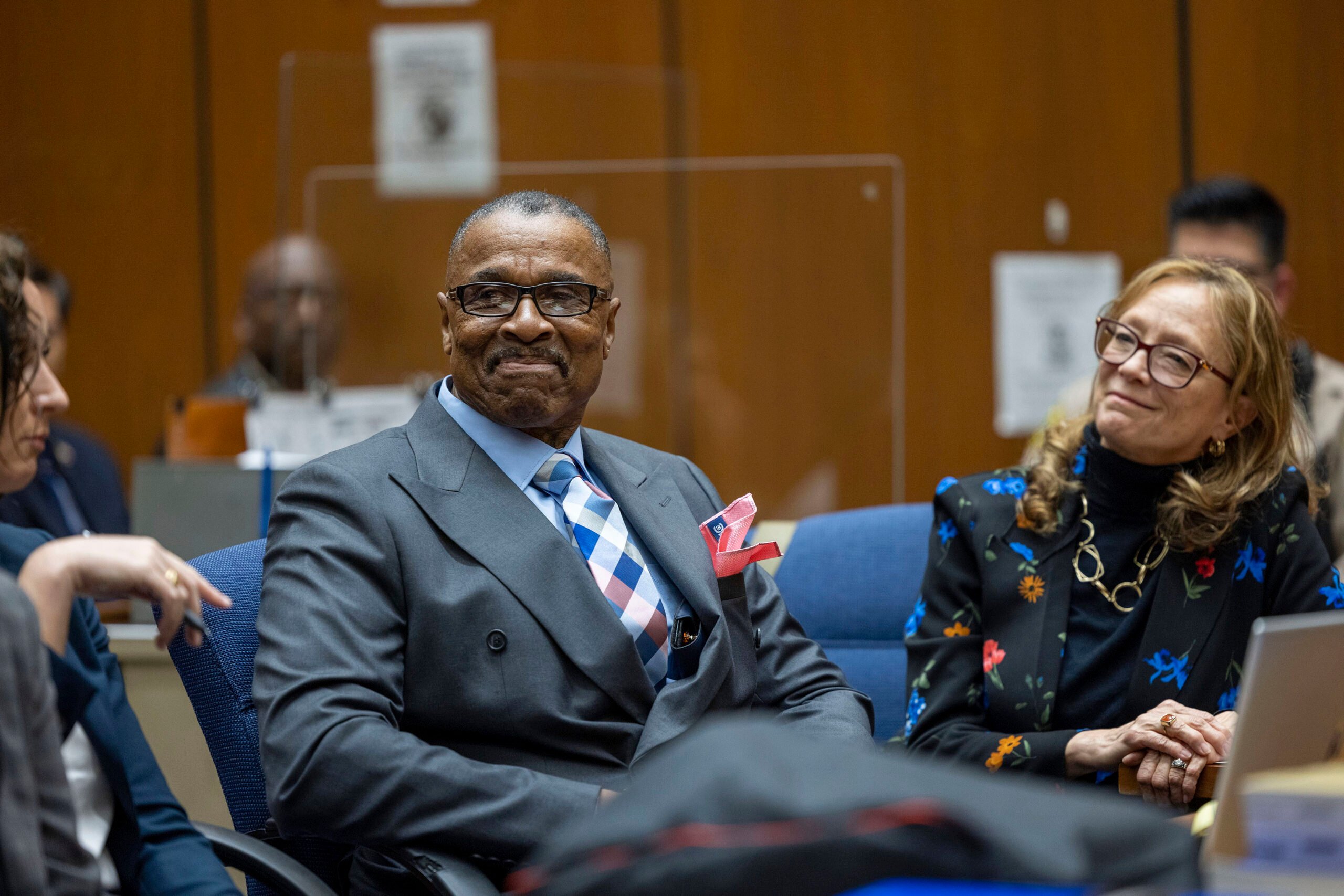
### A Historic Settlement for a Wrongfully Convicted Man
In a landmark case that has garnered significant attention, Maurice Hastings, a 72-year-old man, was awarded a staggering $25 million after spending 38 years wrongfully incarcerated in California. His settlement, reached in August, is considered the largest wrongful conviction payout in the history of the state, and it marks a pivotal moment in the fight for justice against prosecutorial misconduct.
### The Conviction
Hastings was arrested and convicted in connection with the 1983 sexual assault and murder of Roberta Wydermyer. The case was particularly harrowing, as Wydermyer was killed by a single gunshot to the head. The details surrounding the investigation were shrouded in controversy, with Hastings’ attorneys later claiming that improper practices by law enforcement officials played a crucial role in his conviction. He was sentenced to life in prison without parole, a devastating outcome for a man who maintained his innocence throughout the decades.
### Framing Allegations Against Law Enforcement
The lawsuit filed on Hastings’ behalf accused two officers from the Inglewood Police Department, along with a Los Angeles District Attorney investigator, of leading the charge against him through deceptive practices. They allegedly manipulated evidence and failed to conduct proper investigations, effectively framing him as the perpetrator. Hastings characterized his long ordeal as a tragedy of justice gone awry.
### A Long Battle for Justice
Despite being behind bars, Hastings never gave up on proving his innocence. His journey to seek justice began long before his release. In 2000, he requested DNA testing on evidence collected during the victim’s autopsy. However, this request was denied by the District Attorney’s office at the time. It wasn’t until 2021 that he submitted a claim of innocence to the DA’s Conviction Integrity Unit, which ultimately led to the retesting of the evidence. This new testing revealed that the semen found at the crime scene did not belong to Hastings.
### The Breakthrough
In 2022, after nearly four decades, Hastings’ conviction was vacated at the behest of both prosecutors and his legal team. DNA from the evidence was then entered into a state database, leading to a disturbing match with Kenneth Packnett, a man previously convicted of a separate armed kidnapping and sexual assault case. The parallels between Packnett’s offenses and the murder of Wydermyer were striking, raising alarming questions about the initial investigation.
### Failure to Investigate the Right Suspect
At the time of Packnett’s arrest in 1983 for unrelated charges, he was found with jewelry and personal items belonging to Wydermyer, yet he was never investigated as a suspect in her murder. Packnett would go on to die in prison in 2020, serving time for his other crimes. The lack of scrutiny on him during the original investigation highlights systemic failures within law enforcement that can lead to wrongful convictions.
### Legal Recognition of Innocence
In 2023, a pivotal ruling by a California judge officially declared Hastings “factually innocent.” This designation confirmed that the evidence persuasively demonstrated he had not committed the crime for which he was wrongfully imprisoned. The judge’s decision underscored the grave injustices Hastings faced and opened doors for his subsequent compensation and healing process.
### A New Chapter for Hastings
Now an active member of his community in Southern California, Hastings is beginning to rebuild his life after decades of wrongful incarceration. He has expressed that no monetary amount can truly compensate for the time lost but has welcomed the settlement as a significant step in finally moving forward. His story serves as a stark reminder of the need for accountability and reform within the criminal justice system.
### A Broader Call for Change
Nick Brustin, one of Hastings’ attorneys, has emphasized the larger implications of this case. He articulated that this settlement should serve as a wake-up call for police departments across the country regarding the consequences of misconduct. The message is clear: the continuous battle for truth and justice demands both systemic change and vigilance against wrongful convictions.