


Keystone
Recent tensions have escalated between the United States and Colombia, particularly surrounding the actions and statements of Colombian President Gustavo Petro. In a move that caught national and international attention, the U.S. State Department has accused Petro of inciting U.S. soldiers during a public event in New York City. This situation raises significant questions about diplomatic relations and the implications of political speech on a global stage.
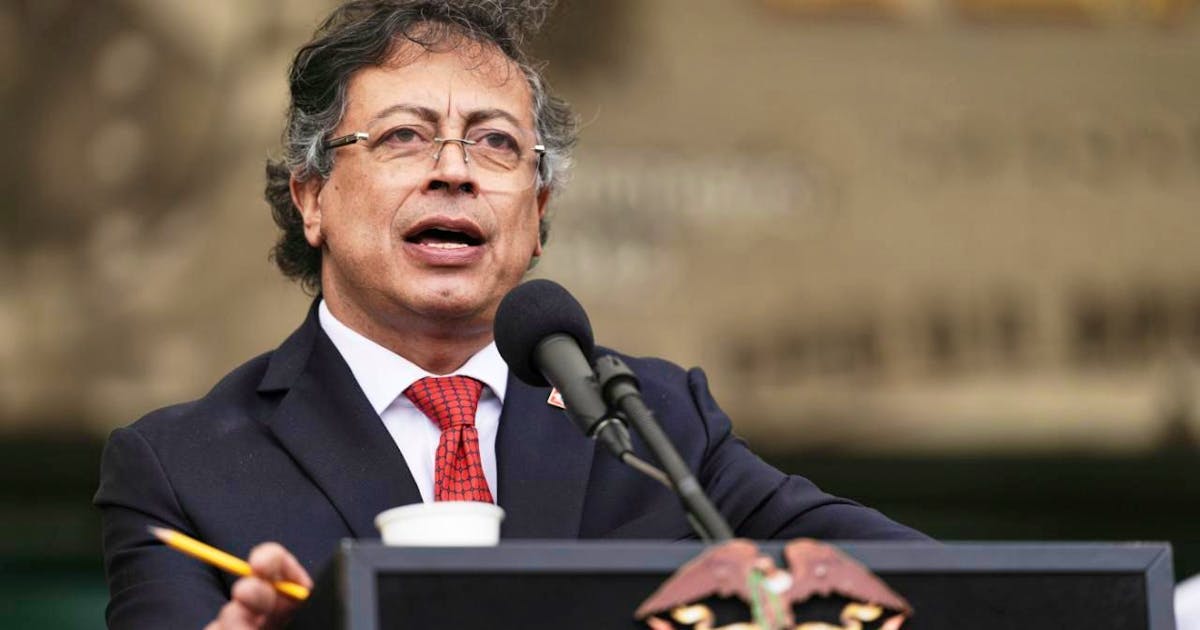
On a particular occasion, President Petro, addressing a crowd, urged U.S. soldiers to disobey their orders and act against what he termed “repressive” directives. The U.S. State Department reacted strongly, labeling these remarks as “reckless and seditious.” The declaration that they would consider revoking Petro’s visa underscores the seriousness with which the U.S. views this situation. However, the State Department has been reluctant to provide specific details regarding the allegations or any potential evidence supporting their claims, leaving many questions unanswered.
This accusation is not an isolated incident. Earlier, former U.S. President Donald Trump criticized Petro over Colombia’s fight against drug trafficking, asserting that cocaine production and coca cultivation have surged to unprecedented levels under Petro’s governance. This critique, documented in a memorandum signed by Trump, points to a significant diplomatic rift, highlighting differing perspectives between the two nations concerning drug policy and enforcement.
The implications of these developments are profound. For Colombia, a country wrestling with a long history of violence, drug-related issues, and political unrest, Petro’s rhetoric and the subsequent U.S. response may affect not only diplomatic relations but also the public’s perception of the government’s standing. Petro’s calls for defiance resonate within a broader narrative of anti-American sentiment that can be prevalent in various political factions across Latin America.
Furthermore, these tensions raise essential questions about the limits of free speech for leaders on international platforms. While Petro’s criticisms may resonate with some, they also risk alienating potential allies and complicating Colombia’s partnerships with powerful nations. As the situation unfolds, observers will be keen to see how both governments navigate this verbal conflict and what measures will be taken moving forward.
As the geopolitical landscape continues to evolve, it remains crucial to monitor the actions and reactions stemming from this incident. The intersection of domestic policies, international relations, and the nuanced nature of political discourse will play a significant role in shaping both Colombia’s future and its relationship with the United States.