


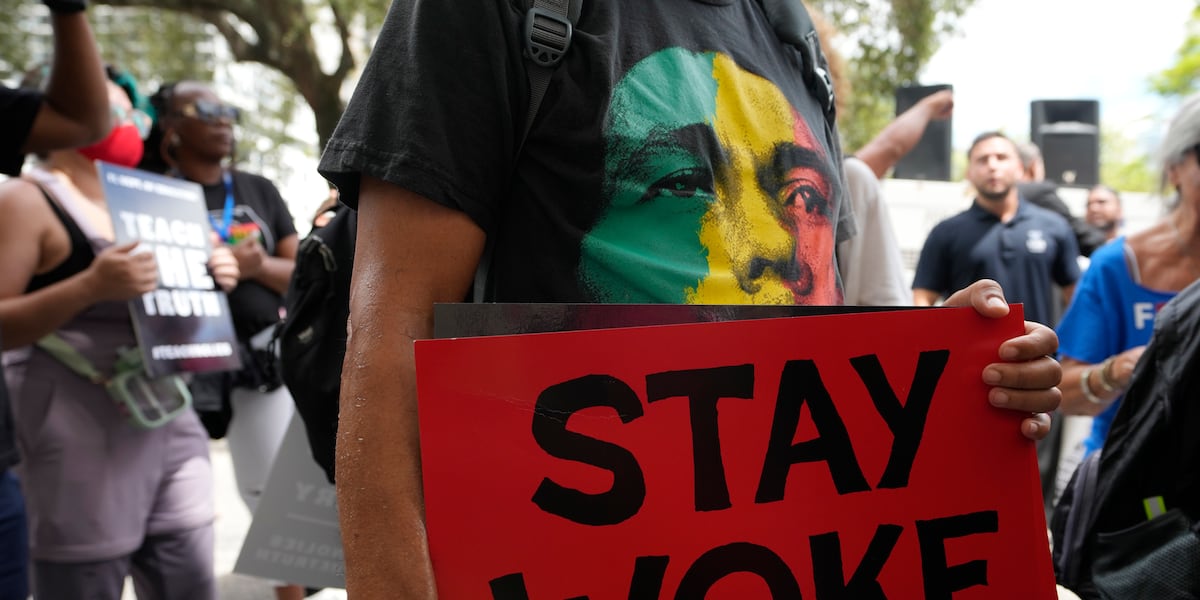
The Evolution of “Woke”: From Awareness to Controversy
The Origins of “Woke”
The term “woke” has its roots deeply embedded in African American culture, originating as a call for awareness and consciousness regarding social injustices, particularly racism. This unique expression first emerged in the early 20th century, with historical references tracing back to a 1923 compilation by Marcus Garvey, a Jamaican-born Black nationalist. In his essay, Garvey proclaims, “Wake up Ethiopia! Wake up Africa!” signaling the need for empowerment among Black communities.
Further cultural manifestations include the 1938 blues song “Scottsboro Boys” by Lead Belly. This song, inspired by a tragic event involving the wrongful conviction of Black youths, served as a cautionary message to ensure that listeners “stay woke” and remain vigilant against injustices. These elements contributed to the phrase’s integration into African American vernacular, symbolizing a broader awareness of systemic inequality and oppression.
The Modern Revival of “Woke”
Fast forward to the 21st century, and the term received a modern resurgence, largely attributed to singer-songwriter Erykah Badu. In her 2008 song “Master Teacher,” Badu popularized the phrase “I stay woke,” injecting it with a renewed sense of urgency and relevance as social movements began to rise. The amplification of “woke” came to the forefront during the Black Lives Matter movement, particularly following the 2014 shooting of Michael Brown in Ferguson, Missouri. The phrase became a rallying cry, urging individuals to remain mindful of the injustices faced by marginalized communities.
From Affirmation to Pejorative
As “woke” gained traction and began to permeate broader society, it took on new, often contentious meanings. In the past decade, both Republican and Democratic narratives have morphed the term into a pejorative. Critics often use it to mock individuals perceived as overly politically correct. High-profile political figures have adopted this line of attack, with President Trump denouncing “woke” culture in various contexts, including a pledge to review Smithsonian content he deemed excessively critical of American history. Texas Governor Greg Abbott similarly targeted “woke agendas” in education, emphasizing a push against what he termed “woke gender ideologies.”
This shift marks a significant transformation from its original meaning—signifying an awareness of social issues—to representing what some perceive as overzealous political correctness.
The Backlash Against Wokeness
The “war on woke” has unfolded dramatically in recent years, especially amid discussions surrounding the educational curriculum and racial equity. Many opponents of critical race theory argue that its inclusion in schools aims to instill guilt in white children, labeling this movement as a misguided form of wokeness. This backlash grew particularly pronounced in 2022 when Florida Governor Ron DeSantis enacted the “Stop W.O.K.E. Act,” aimed at curbing discussions surrounding race and gender in educational settings. Although a federal judge later deemed this law unconstitutional, the discourse surrounding “woke” remains heated.
Varied Perspectives Within the Community
Even within the African American community, opinions on the concept of “woke” differ significantly. Some, like George Pearson, a former chair of the Illinois Black Republican Coalition, argue that the term has lost its power, suggesting that its association with performative activism undermines its original intent. He critiques Democratic leaders for failing to back real change while promoting a façade of “wokeness.”
Conversely, other voices within the community continue to defend the underlying principles of wokeness. For instance, Seena Hodges, a DEI strategist, founded her consultancy “The Woke Coach,” positioning the phrase as a tool for increasing emotional intelligence and fostering inclusivity.
Contemporary Usage of Woke
Today, “woke” has largely left the everyday vernacular of many Black individuals, often being used ironically or in jest. However, some progressives are working to reclaim the term for its original meaning. At the 2021 Screen Actors Guild Awards, actress Jane Fonda boldly declared that being “woke” simply means caring for others—not a sign of weakness, but rather an embodiment of empathy.
While the future of “woke” remains uncertain, its journey reflects broader societal shifts in understanding and addressing privilege, inequality, and justice. Instead of merely dismissive jokes or partisan attacks, the term invites deeper discourse on the complexities of social consciousness and collective responsibility.