


New Jersey Congresswoman LaMonica McIver recently returned to court in Newark, igniting discussions around her ongoing federal criminal case initiated by the Trump administration. This case stands as unprecedented for a sitting member of Congress.
On Tuesday, McIver’s legal team filed two motions seeking to dismiss the charges, which have drawn heavy condemnation from critics who view the prosecution as politically motivated. Many assert that this case is part of a larger strategy aimed at undermining Black women and communities, as well as suppressing dissent. U.S. Rep. Lateefah Simon from California voiced these sentiments, explaining that the actions taken against McIver resonate deeply with broader patterns of hostility towards marginalized voices.
McIver, now 39, faces a daunting potential sentence of up to 17 years in prison following a confrontation with federal law enforcement outside an ICE facility in Newark last May. During this incident, McIver, along with fellow New Jersey Rep. Bonnie Watson Coleman and Newark Mayor Ras Baraka, was conducting oversight of the facility, which had been accused of mistreating undocumented immigrants. The situation escalated when federal officers attempted to arrest Baraka for trespassing—charges that were later dismissed. In the melee, McIver is alleged to have struck two officers, a claim that she and others argue is contradicted by available video footage.
In court, McIver’s defense focused on arguments of selective enforcement, vindictive prosecution, and the immunity typically afforded to legislators. Watson Coleman, who witnessed the confrontation, sharply criticized the prosecution, suggesting it serves as a means of intimidation against dissenters, particularly among Congress members. She articulated her anger over what she perceives as the misuse of federal authority against an capable and committed public servant.
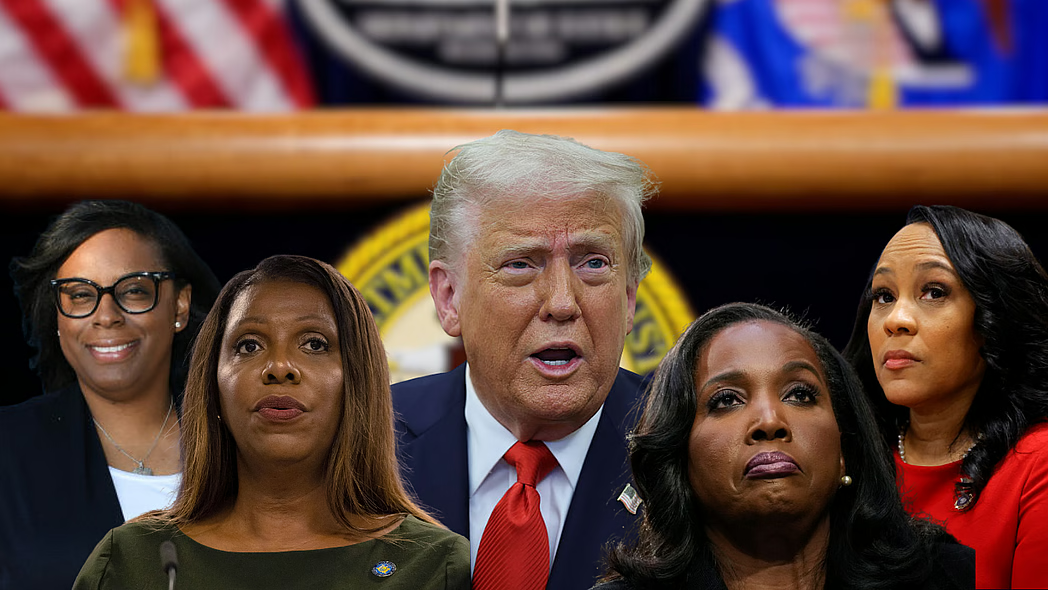
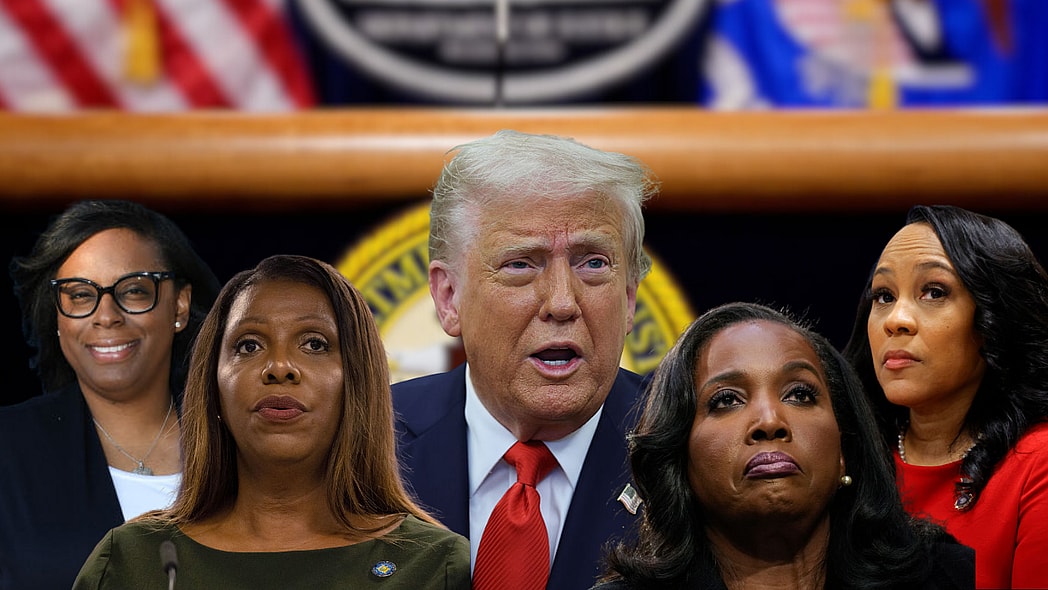
The narrative surrounding McIver’s charges has prompted discussion among Democrats and civil rights leaders, highlighting her prosecution amidst a troubling pattern of targeting Black women by Trump’s Department of Justice. Notable figures, including New York Attorney General Letitia James and Fulton County District Attorney Fani Willis, have also found themselves in the crosshairs of political hostility. Whether it’s through direct attacks or manipulation of legal processes, the scrutiny faced by these women illuminates an ongoing struggle against systemic discrimination and harassment.
Congresswoman Simon expressed that the administration’s actions toward McIver exemplify a larger pattern of antagonism toward Black women in leadership, particularly those who advocate for immigrant rights—a legacy upheld by historical figures such as Shirley Chisholm and Barbara Lee. Simon noted, “Black folks and Black women have been very clear and upfront in the movement for immigrant justice,” shedding light on the ongoing cultural work of marginalized communities in shaping American politics.
Watson Coleman believes that Trump fears Black women, as they are constituents who, when united, will fiercely advocate for their families and communities. This dynamic highlights a crucial intersection of race and gender in political narratives and challenges against oppressive frameworks.
Despite the legal hurdles, a source close to McIver indicated that she remains optimistic about the judicial outcome, emphasizing that the case raises concerns about the repercussions for Congressional oversight aimed at holding the executive branch accountable. The case marks a pivotal moment in legal history regarding the rights of Congress members to perform their oversight responsibilities without fear of retribution.
Financially, McIver faces additional obstacles; Congress members cannot accept pro bono legal support from organizations like the ACLU or Legal Defense Fund. Watson Coleman critiqued the Trump administration’s approach toward vulnerable individuals, noting that it exacerbates existing disparities in resources. “They know that LaMonica isn’t a gazillionaire like the folks that they hang out with,” she stated, underscoring the systemic inequities at play.
As the legal battle continues, public support remains visible. A rally was held outside the New Jersey courthouse on Tuesday, where McIver addressed supporters after her hearing. “This process is not going to stop me from doing my job,” she declared with conviction. “I’m going to keep showing up to protect us… because we need protection and we have to continue to hold this administration accountable.” These powerful statements resonate as a call to action for those invested in justice and governmental accountability.