


This post is part of the Kluge Center’s 25 for 25, in honor of the Kluge Center’s 25th anniversary, celebrating 25 books that were written thanks to the Kluge Center’s support. Read the introductory post to the series here.

In his insightful book, The Darkened Light of Faith: Race, Democracy, and Freedom in African American Political Thought (Princeton University Press, 2023), political theorist Melvin L. Rogers poses a provocative question: “What is it about democracy that justifies our faith, especially African Americans’ faith in it?” This inquiry serves as the thematic backbone of the book, addressing the complex relationship between race, democracy, and the unwavering belief in the possibility of a racially just society.
Rogers writes against the backdrop of Afro-pessimism, which posits that the legacy of slavery and ongoing racial inequalities in America are unchangeable. While he acknowledges the seductive nature of this viewpoint, he critiques it for diminishing the agency of those who actively shape their social and political realities. Rather than accepting a fatalistic worldview, Rogers emphasizes the political tradition of African American thinkers who viewed history as malleable and the meaning of democracy as something worth fighting for.
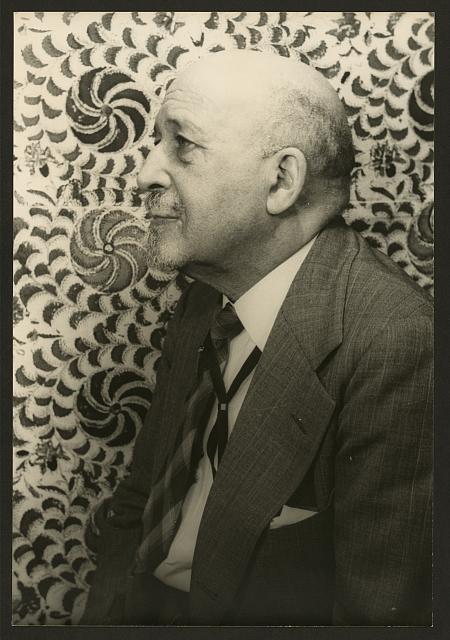
Highlighted in his analyses are notable figures such as David Walker, Maria Stewart, Hosea Easton, Martin Delany, Anna Julia Cooper, Ida B. Wells, W.E.B. Du Bois, Alain Locke, Billie Holiday, and James Baldwin. Each of these intellectuals not only grappled with the harsh realities of their time but also offered visions for what a more equitable society might look like.
Rogers delves into their works, suggesting that each thinker was deeply invested in transforming how America understood itself and its citizens. For instance, he references David Walker’s 1829 pamphlet, Appeal to the Colored Citizens of the World, But in Particular, and Very Expressly, to Those of the United States of America, which argues for the urgent necessity of liberation. Similarly, Anna Julia Cooper’s A Voice from the South (1892) presents a compelling case for the empowerment of Black women within the context of societal change.
Moreover, the book explores the powerful rhetoric employed by these thinkers. For example, Rogers points to Wells’ courageous journalistic investigations into lynching, which shaped public perceptions and ignited social outrage. Billie Holiday’s haunting song “Strange Fruit” serves as a poignant reminder of the brutal history of racial violence, compelling audiences to confront uncomfortable truths about America’s past.

Rogers expresses hope that the legacies of such thinkers provide insights for contemporary society. He references Frederick Douglass’s famous address, “What to the Slave is the Fourth of July?,” underscoring the importance of using the past to inform present and future actions. This sentiment is mirrored in Baldwin’s call for Americans to critically engage with their history, fostering a shared commitment to responsibility and justice.
Rogers categorizes these thinkers as “perfectionists” due to their unwavering faith in democracy despite the absence of guarantees for success. They were willing to engage in the ongoing struggle for a racially just society, serving as a testament to the enduring spirit and activism within the African American political tradition.
Interestingly, Rogers developed The Darkened Light of Faith during his fellowship at the John. W Kluge Center in the summer of 2019. His work has garnered prestigious accolades, including the 2023 Best Book Award from the American Political Thought Section of the American Political Science Association (APSA), along with the David Easton Award and the Ralph J. Bunch Award from APSA.
This post, and others in this series, does not constitute the Library’s endorsement of the views of the individual scholar or an endorsement of the publisher.