



As November unfolds, it brings with it Black Catholic History Month, a dedicated time for reflection, remembrance, and celebration within the African-American Catholic community. This month serves as a poignant reminder of the rich, yet often overlooked, contributions that Black Catholics have made to the Church. Two prominent voices—Archbishop Shelton Fabre of Louisville and Auxiliary Bishop Emeritus Joseph N. Perry of Chicago—emphasized these sentiments during a recent interview with Black Catholic Messenger.
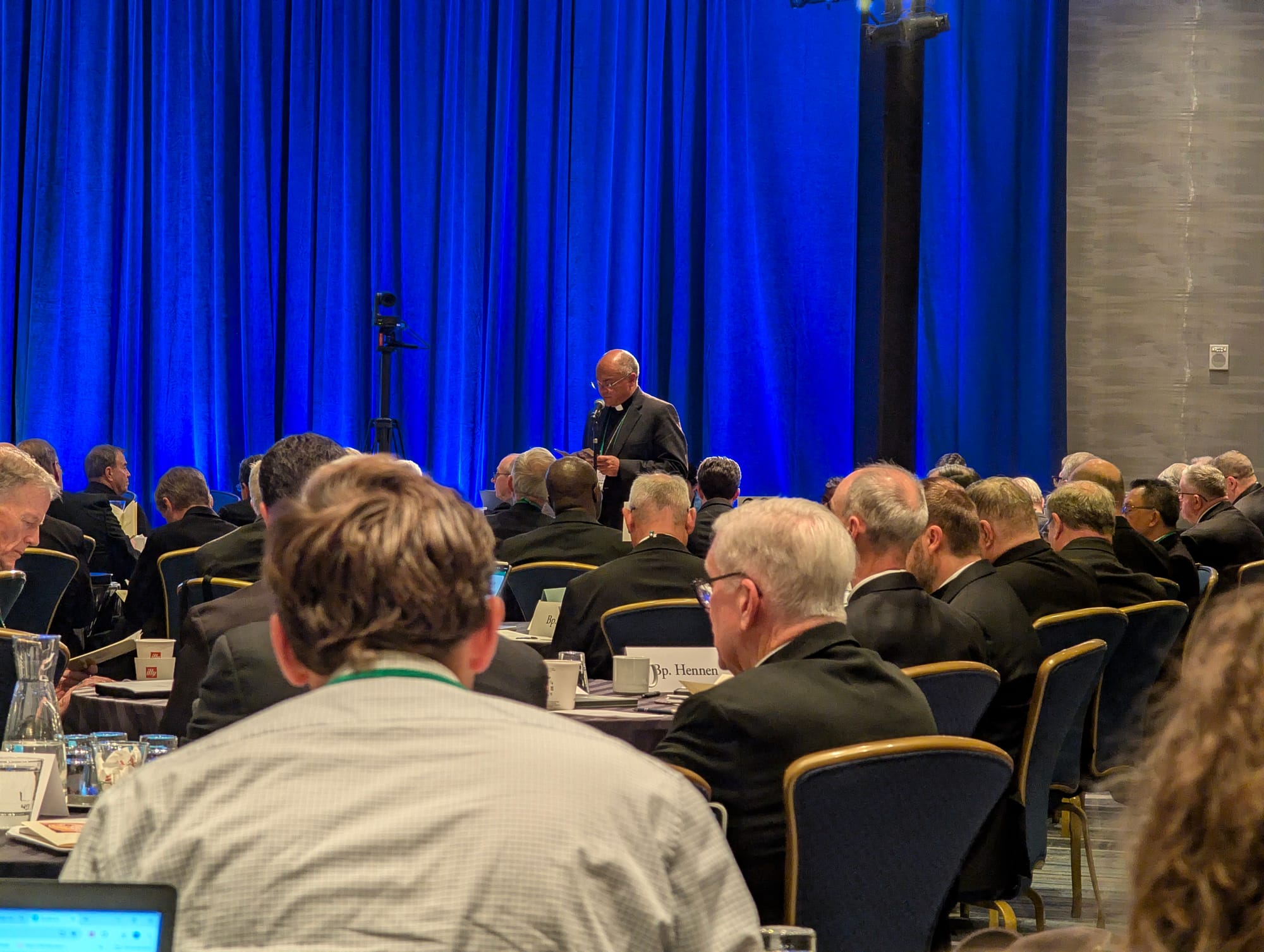
Archbishop Fabre, who chairs the U.S. Conference of Catholic Bishops’ Committee on Domestic Justice and Human Development, articulated the essence of Black Catholic History Month: it is a time to acknowledge the spiritual richness and historical legacy that Black Catholics have brought to the faith. “Always remember that Black Catholics have been a part of the Church for a long, long time and have brought to the Church their spirituality and their gifts,” he expressed, conveying the importance of these contributions to his own identity as a Black bishop.
Born in the 1960s in rural New Roads, Louisiana, Fabre’s journey into the priesthood was deeply influenced by his upbringing and the faith community of historic St. Augustine Church, established in 1922. The principles imparted by his devout parents and their commitment to faith form a critical foundation of his ministry. “My parents were very, very faithful people. I bring all of that gift to my ministry as a bishop,” he remarked, underscoring the interweaving of family values and faith throughout his life.
Complementing Fabre’s insights, Bishop Perry pointed out that Black Catholic History Month also serves to honor the legacy of significant figures on the path to sainthood. This includes Venerables like Pierre Toussaint, Henriette DeLille, Mary Lange, and Augustus Tolton, alongside Servants of God Julia Greeley, Thea Bowman, and Martin Maria de Porres Ward. Perry highlighted the growing awareness of these figures, noting the significant uptick in events and showcases celebrating their lives compared to the past.
With his own extensive work surrounding the canonization process, Perry has traveled nationwide, visiting significant sites related to Tolton, who made history as the first openly Black Catholic priest in the U.S. He has spearheaded efforts to educate communities about sainthood causes, which are intricate and often costly processes that require thorough investigation and extensive documentation. “We’re pleased to see how around the country, that has really taken off,” Perry noted, reflecting on the rising visibility of these figures.
Report: Alleged miracles for sainthood cause of Venerable Augustus Tolton now under investigation
A number of miracles that could bring about the first-ever beatification of an African American are now being inspected by official investigators from Rome.
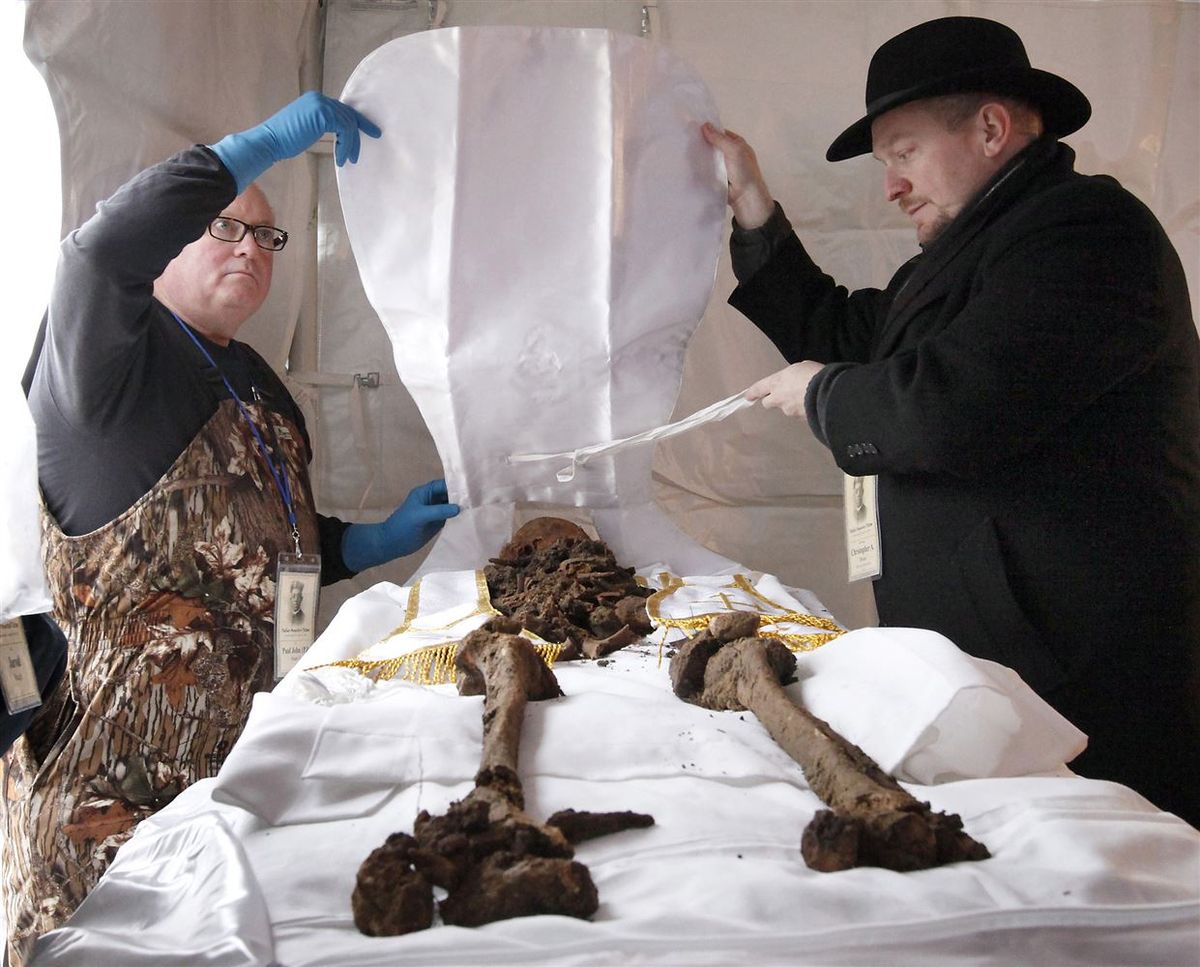
In his interview with BCM this month, Perry said the alleged 2022 investigation of a possible Tolton miracle was merely a “rumor”.
As of 2025, Augustus Tolton’s sainthood cause stands out, making significant headway and awaiting a miraculous intervention believed to be due to his intercession. Perry elaborated on the intricacies of the canonization journey, explaining that while documented answers to prayers exist, they often do not meet the required threshold to be termed “miracles.” This creates a challenging landscape where, even among groundbreaking figures like Tolton, there remains a perceived barrier to achieving sainthood for African Americans.
Perry’s leadership in the Ad Hoc Committee Against Racism has further underscored the necessity of addressing issues within Church and society. He emphasized that their recent pastoral letter, “Open Wide Our Hearts,” represents a vital effort to engage a wide audience on the subject of racism, allowing for a broader conversation informed by Catholic social teaching. “It’s probably the widest disseminated letter on the topic of racism in all of the 10 that have been issued by the bishops going back to about 1958,” Perry stated.
With the establishment of a permanent committee focused on racial justice and reconciliation, Archbishop Fabre emphasized the ongoing work to uplift marginalized voices within the Church. He plans to advocate for pressing issues, such as food insecurity, housing concerns, and the dignity of all people—principles that resonate deeply with Church teaching.
“The committee is going to continue to advocate on all of those fronts for the life and human dignity of each and every person,” Fabre asserted, recognizing that many social justice issues today are intrinsically linked to the essential value of human dignity.
Both bishops expressed unwavering hope for the future of the Black Catholic community. Fabre articulated a profound faith in its resilience, stating, “I am just amazed… Black Catholics, how strong their faith is after everything they’ve experienced. They still say, ‘I am here, and I’m not going anywhere.’” This statement encapsulates the enduring spirit of the Black Catholic community, underscoring its vital role within the broader tapestry of the Church.