


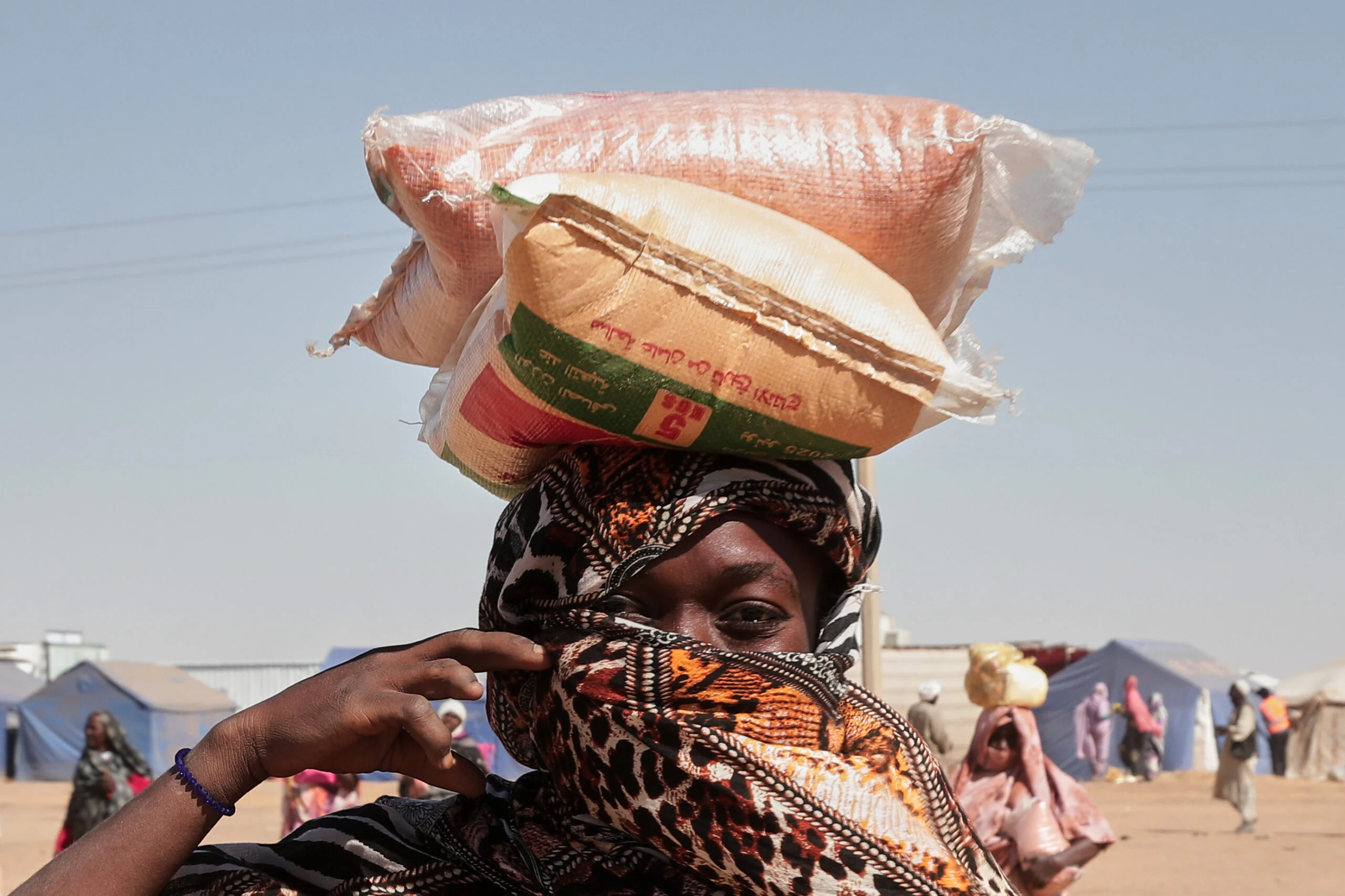
Rising Death Toll Among Children in Sudan Due to Malnutrition
The harrowing situation in central Sudan has become increasingly dire, with reports indicating that almost two dozen children have lost their lives due to malnutrition-related causes within just a month. This tragic outcome has unfolded against the backdrop of intense military conflict between the country’s armed forces and a powerful paramilitary group. The Kordofan region has found itself at the epicenter of this humanitarian crisis, revealing the extensive toll that ongoing warfare is inflicting on the nation’s most vulnerable populations.
A Catastrophic Humanitarian Crisis
Since the onset of the war in April 2023, sparked by a fierce power struggle between the military and the paramilitary Rapid Support Forces (RSF), Sudan has descended into chaos. The conflict initially erupted in the capital, Khartoum, but has since spread throughout the country, resulting in severe consequences. According to United Nations figures, the war has claimed the lives of over 40,000 individuals—though humanitarian organizations believe the true number is likely much higher. The United Nations now classifies this as one of the most severe humanitarian crises in the world, with estimates suggesting that more than 14 million people have been forced from their homes.
Widespread Malnutrition and Famine
The situation in Kordofan and the western region of Darfur is particularly alarming, with approximately 370,000 individuals now facing famine conditions as of September. Additionally, a staggering 3.6 million people find themselves on the brink of starvation. This devastating food crisis is exacerbated by conflict, blockades, and lack of access to essential supplies. The children who perished in Kordofan between October 20 and November 20, as reported by the Sudan Doctors Network, were victims of severe acute malnutrition—a direct result of these crippling shortages.
Trapped Populations
Kadugli, the capital of South Kordofan, has been besieged for months as RSF forces attempt to wrest control from the military. The blockade not only restricts the entry of food and medicine but also endangers the lives of thousands of residents. With famine declared in Kadugli, it’s evident that the people living in such besieged areas are caught in a tragic cycle of deprivation and despair. Nearby Dilling grapples with similar conditions, although it has not been officially classified as experiencing famine due to insufficient data.
Escalation of Violence
The fighting in Kordofan has intensified, particularly as RSF forces have shifted their focus from Khartoum to this region following their expulsion from the capital. Tragically, the situation in the city of el-Fasher, another key location of conflict, has also turned dire. Reports indicate that RSF fighters have committed atrocities, including mass killings and sexual assaults, against civilians fleeing violence. These actions have further exacerbated an already desperate humanitarian landscape.
The Aftermath of Atrocities
As the RSF continues to consolidate its power, new satellite images have emerged that suggest ongoing efforts to dispose of bodies in el-Fasher. The Yale School of Public Health’s Humanitarian Research Lab has reported concerns about the potential for mass burial practices in the aftermath of violent confrontations. Such indiscriminate violence raises critical questions about the safety and sustainability of life for any civilians who remain in the area.
The Hidden Cost of War
The relentless nature of this conflict underscores the multifaceted toll it takes on Sudan’s populace. With the immediate threat of famine and increasing violence, the situation in Kordofan and beyond reflects a broader narrative of a nation grappling with the consequences of civil strife. For the millions affected, the struggle for basic survival continues, illustrating the need for urgent humanitarian intervention and support.
In this time of crisis, the plight of children, who represent the most vulnerable segment of society, is particularly heart-wrenching. As malnutrition and starvation claim innocent lives, the global community watches and hopes for a resolution that seems, at present, agonizingly out of reach.