



Are you craving a calm, non-commercial holiday that helps you to reflect on past accomplishments and prepare for a better future? Then Kwanzaa is a perfect celebration to add to your December traditions.
What is Kwanzaa and When to Celebrate It?
Kwanzaa is the fastest-growing holiday in the world, a non-religious celebration established by African Americans 55 years ago. It aims to highlight the achievements of Black individuals throughout history and honor significant Black leaders, both in the U.S. and worldwide. Each year, Kwanzaa lasts from December 26 through January 1 and is open to everyone, inviting people of all races and ethnicities to join in the celebration.
The name “Kwanzaa” derives from the Swahili phrase “matunda ya kwanza,” which means “first fruits,” and the holiday is influenced by various African harvest festivals. Notably, Kwanzaa is designed to be a low-stress affair that focuses on friends, family, and community, rather than commercialism. During this time, you can participate in community events or enjoy a quiet gathering at home, sharing meals and reflecting on the year past and the one to come.
Revered poet Maya Angelou beautifully summarized the essence of Kwanzaa, stating, “Kwanzaa is a time when we honor our family, our community, and our heritage. We give special thanks for the harvest of good in our lives. We remember our glorious past and celebrate the future.”
Who Created Kwanzaa?
Kwanzaa was created by Maulana Karenga, a Black professor and the chair of the African American Studies Department at California State University, Long Beach. In the wake of the devastating Watts Uprising in 1965, he desired to establish a positive holiday that would foster unity and pride within the African American community.
Why is the Number Seven Important in Kwanzaa Celebrations?
The significance of the number seven is central to Kwanzaa, represented by the Swahili phrase “Nguzo Saba,” meaning “Seven Principles.” Each of these principles serves as a guiding light throughout the seven days of celebration.
What are the Seven Principles?
The seven principles celebrated during Kwanzaa are:
- Unity: Striving for togetherness and harmony.
- Self-Determination: Defining oneself, striving for freedom, and control over one’s destiny.
- Collective Work and Responsibility: Building and maintaining our communities together.
- Cooperative Economics: Supporting each other through sustainable enterprises.
- Purpose: Developing our community and contributing positively.
- Creativity: Encouraging artistic expression and innovation.
- Faith: Believing in ourselves and our community.
Alongside these principles are seven symbols displayed on a table at the start of Kwanzaa. Families and communities gather each day to discuss these principles, read poetry, and enjoy musical or dance performances.
What Do the Colors for Kwanzaa Symbolize?

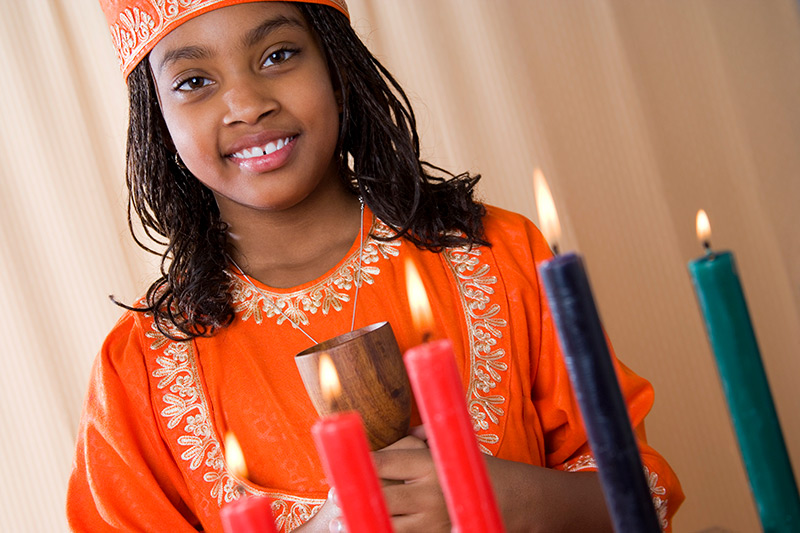
The vibrant colors used during Kwanzaa celebrations—red, black, and green—bear important significance. Red represents the struggles and sacrifices made by Africans and African Americans. Black symbolizes the earth and the people of African descent. Green stands for hope and the promise of a prosperous future.
Candles are an essential part of Kwanzaa, arranged in a candle holder called a “kinara.” The arrangement has a black candle in the center, flanked by red and green candles. Each day, a new candle is lit, reflecting the day’s principle.
How Do People Greet Each Other During Kwanzaa?
During Kwanzaa, participants greet each other with the phrase “Havari gani?” which paraphrases to “What’s up?” or “What’s the news?” Respondents answer with that day’s Kwanzaa principle, fostering a dialogue centered around the holiday’s teachings.
Are There Gifts for Kwanzaa?
While gifts are not a crucial aspect of Kwanzaa, if parents choose to give something to their children, they usually opt for small educational items, such as books, reinforcing the holiday’s emphasis on learning and growth.
Is Kwanzaa a Religious Celebration?
No, Kwanzaa is a cultural holiday derived from African harvest festivals. It does not have religious affiliations, making it accessible to anyone who wishes to participate, regardless of their religious beliefs.
Can People Who Celebrate Hanukkah or Christmas Also Celebrate Kwanzaa?
Absolutely! Kwanzaa is open to all individuals, irrespective of their religious backgrounds. Like other cultural holidays such as Día de los Muertos or the Fourth of July, Kwanzaa encourages community unity and pride in African heritage.
Does Anyone Celebrate Kwanzaa in Colorado?
Kwanzaa celebrations are vibrant in Colorado, particularly in Denver and Colorado Springs. Notably, the community mourned the loss of Theodora Jackson in 2023, a beloved figure in the Kwanzaa celebrations.
Join the Annual Colorado Springs Citywide Kwanzaa Celebration, Free and Open to the Public

The Kuumba Cultural Collective of Southern Colorado has organized Kwanzaa events in Colorado Springs since 1989. Their rich programming also includes a Pre-Kwanzaa African Marketplace each November, Black history lectures, musical festivals, and art exhibitions that showcase work by African American artists and writers.
Dr. Anthony P. Young, a retired clinical and forensic psychologist, is among the founders behind these Colorado Springs Kwanzaa events. He encourages inclusivity in Kwanzaa, underlining its role as a celebration of heritage and community for everyone involved.
Young remarks, “We’re celebrating who and what we have been throughout history, not just in the U.S. People of African descent have played an important role across the globe.” This sentiment encapsulates the joyous spirit of gathering together with family and community during Kwanzaa to honor heritage.
Join in Kwanzaa Events Sponsored by the Denver Public Library
“Kwanzaa is a wonderful, cross-cultural celebration,” expresses Hadiya Evans, a librarian at the Blair-Caldwell African American Research Library. This holiday honors ancestors and encourages reflections on community and personal growth.

Each day, participants light a candle while reflecting on the significance of the principle of the day, enhancing the sense of intentionality in welcoming the new year.
For more resources and celebrations planned by the Denver Public Library, including Kwanzaa programming, you can browse their catalog for books, videos, and more. You can also check their Kwanzaa calendar to sign up for events—advance registration is recommended but not required.
For those curious to learn more, you can watch The Black Candle, a documentary that delves deeper into the significance of Kwanzaa, available for streaming online.