


U.S. Military Operations in the Caribbean: A Deep Dive into Recent Controversies
Overview of the Controversial Strike
On September 2, a U.S. military operation in the Caribbean culminated in a decision by Navy Vice Admiral Frank “Mitch” Bradley to execute a follow-up strike on a suspected drug-smuggling boat. The White House affirmed that this action was conducted “within his authority and the law,” yet it has drawn bipartisan scrutiny from Congress, who are eager to understand the legality and ethics of such military operations.
White House Justifications
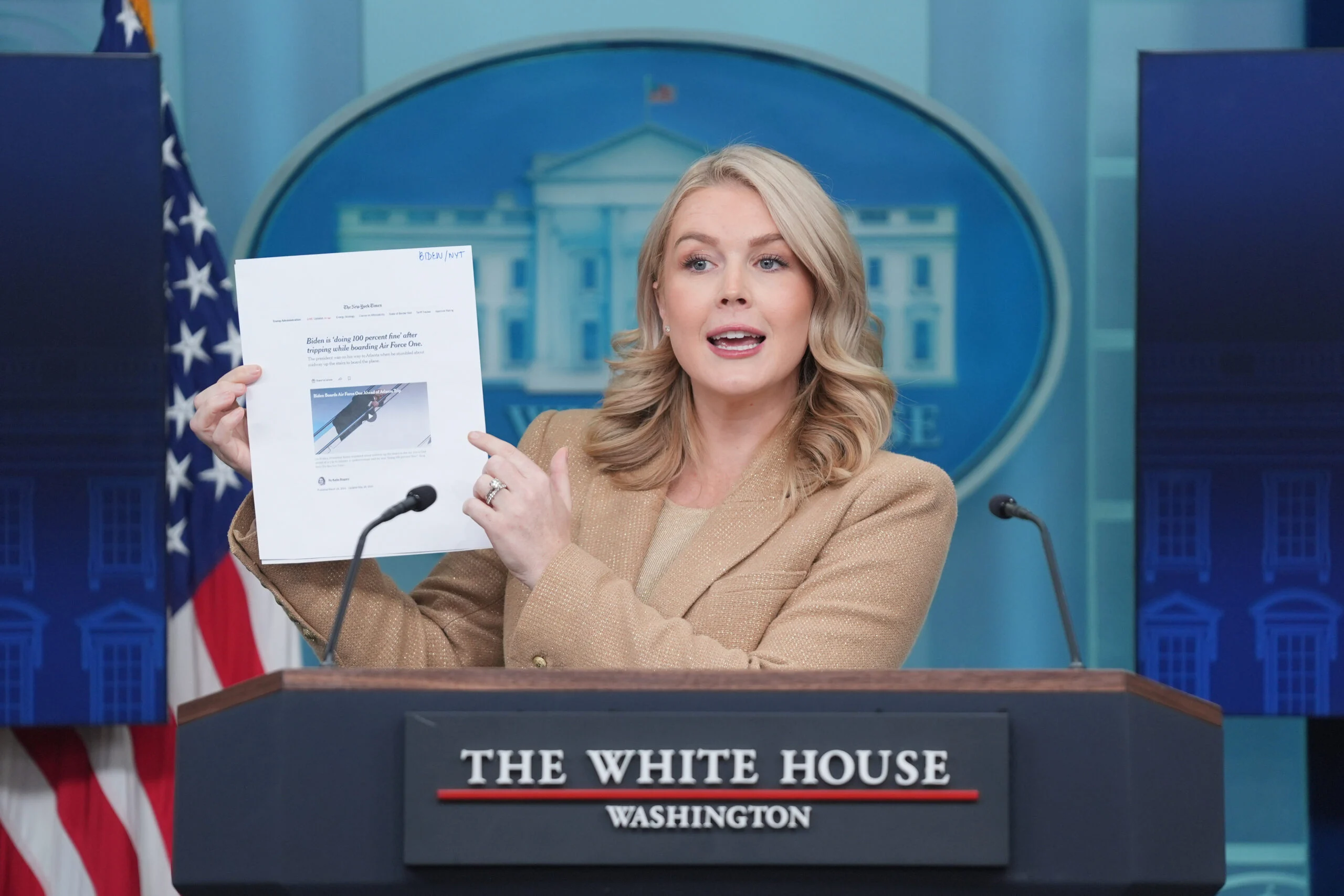
White House Press Secretary Karoline Leavitt defended Admiral Bradley’s orders, stating that they were necessary to neutralize a potential threat to U.S. security. She indicated that Defense Secretary Pete Hegseth had verbally authorized the strike and backed Bradley’s decision to ensure the vessel was thoroughly eliminated. Despite assertions that the operations were legal and compliant with the law of armed conflict, questions remain about the presence of survivors from the initial strike and the implications of a follow-up attack on them.
Congressional Concerns
Lawmakers from both parties have expressed alarm over the possibility of the second strike resulting in the deaths of survivors from the initial missile attack. The reports have raised significant concerns regarding the military’s engagement strategies, particularly in relation to Venezuelan President Nicolás Maduro and the broader drug trafficking crisis affecting the region. Congress has called for deeper investigations into the military’s operational frameworks and accountability protocols.
Legislative Reaction and Investigations
The reactions in Congress have been decidedly varied. Senate Majority Leader John Thune, while broadly supportive of military operations designed to curb the flow of illegal narcotics, acknowledged the need for thorough inquiry into the September 2 incident. Meanwhile, Democratic leaders like Chuck Schumer have launched a more pointed critique of Hegseth, labeling his defense of the military actions as a “national embarrassment.” He demanded the release of communications and video evidence related to the strikes to clarify the situation.
Perspectives from the Military Leadership
General Dan Caine, chairman of the Joint Chiefs of Staff, reached out to leading lawmakers to reaffirm trust in military commanders at various levels. His statement emphasized the legal framework underpinning operations against drug smuggling networks, which are deemed threats to regional stability. Still, the gravity of recent reports has led to bipartisan calls for accountability and transparency regarding military conduct.
The Fallout from the Strike
In a series of military operations enacted under President Trump’s directive, the U.S. has escalated military presence and strikes in the Caribbean and eastern Pacific. With more than 80 casualties reported as a result of these military actions, the ethical ramifications of targeting boats potentially carrying victims of trafficking have been critically examined. Both Republican and Democratic senators are now united in the demand for clarity and integrity in military operations.
International Response and Reactions from Venezuela
On the international stage, Venezuelan President Nicolás Maduro expressed outrage at the U.S. actions, characterized them as “psychological terrorism.” Maduro confirmed that the Venezuelan government is initiating its own investigation into U.S. military operations, marking one of the first official acknowledgments of civilian casualties resulting from these strikes. His administration sees these military endeavors as attacks on national sovereignty, further complicating diplomatic relations.
Trump’s Position and Strategic Implications
President Trump has defended the military operations as necessary to dismantle drug cartels allegedly linked to Maduro. After speaking with Maduro recently, Trump has not elaborated on the conversation, choosing instead to focus on the broader implications of anti-drug efforts. His administration is considering the possibility of more direct strikes on Venezuelan territory, further escalating tensions in the region.
The Broader Context of Military Engagement
The September strike forms part of a larger pattern of U.S. military engagement aimed at protecting national interests against perceived threats from drug trafficking and organized crime. However, the legality of such strikes, especially those resulting in civilian casualties, brings into question the balance between national security and adherence to international law and ethics.
Call for Transparency and Accountability
As investigations unfold both on Capitol Hill and in Venezuela, the push for transparency in military operations remains intense. With calls for evidence to be made public by Hegseth and an assurance of accountability from military leaders, the outcome of these inquiries will likely shape how future military engagements are perceived and conducted. The consequences of this scrutiny will echo far beyond the immediate operational outcomes, influencing military strategy and policymaking in the years to come.