


The U.S. and NATO: A Changing Dynamic Amidst Ongoing Ukraine Talks
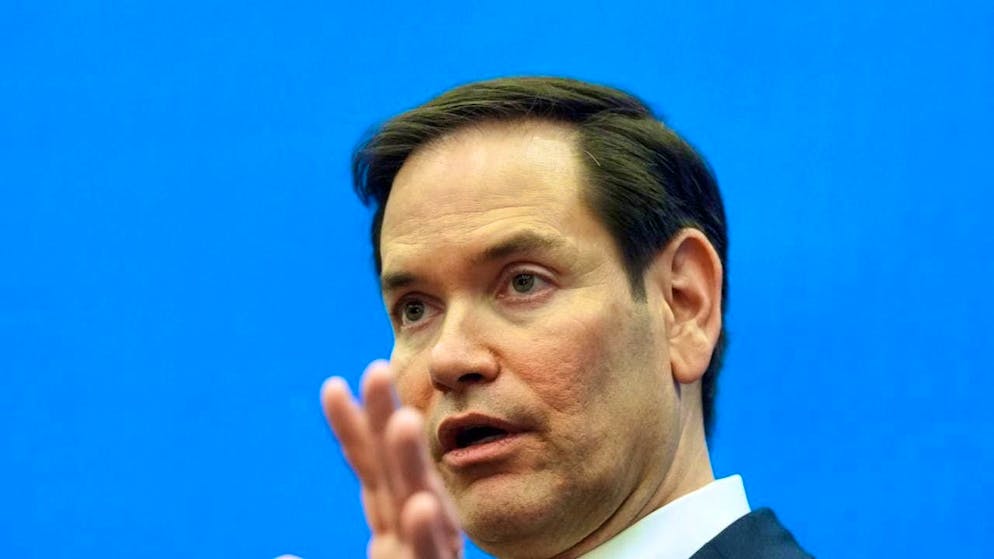
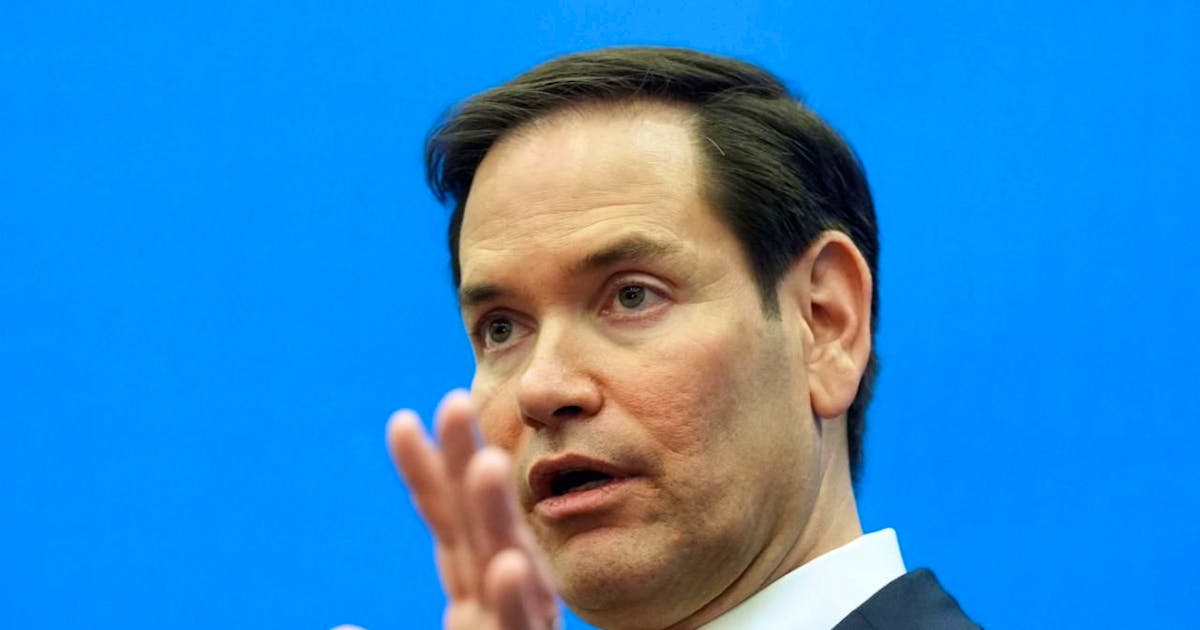
ARCHIVE – US Secretary of State Marco Rubio speaks to reporters at NATO headquarters in Brussels. Photo: Jacquelyn Martin/Pool AP/dpa
Source: Keystone
The dynamics of international relations are often shaped by seemingly small decisions. Recently, the absence of U.S. Secretary of State Marco Rubio from a crucial NATO meeting in Brussels has sparked discussions about the evolving relationship between the U.S. and NATO, particularly regarding the ongoing conflict in Ukraine.
The Decision Not to Attend
Despite ongoing negotiations concerning a peace settlement in Ukraine, Secretary of State Rubio will not attend a long-planned NATO meeting. A spokesperson for the State Department highlighted that, given the number of meetings Rubio has already participated in with NATO allies, attending every single gathering would be unrealistic.
US Deputy Secretary of State Christopher Landau, in contrast, is expected to represent the U.S. at the meeting, where one of the central topics will be further support for Ukraine. Meanwhile, Rubio has opted to engage in unspecified discussions at the White House instead. The day prior, he had a conversation with German counterpart Johann Wadephul concerning diplomatic efforts related to peace in Ukraine.
Unconventional Absence
The decision not to send the Secretary of State to a formal NATO foreign ministers’ meeting is notably unusual. Oana Lungescu, a former NATO spokesperson, expressed her disbelief on social media, underscoring how unprecedented this situation is. She emphasized that this absence could send negative signals at a time when America should be closely coordinating with its European allies on the pressing issue of Ukraine.
The optics of such a move are critical, especially given the ongoing war and the importance of unity among NATO allies. The absence of a high-level U.S. representative could be interpreted as a lack of commitment to the alliance’s collective efforts.
The Potential Motivations Behind the Move
One interpretation of this decision is that factions within the U.S. administration may actually view NATO as a potential hindrance to successfully resolving the conflict in Ukraine. A recently leaked draft of a 28-point peace plan proposed by Donald Trump’s administration suggests that NATO should completely relinquish any intentions of admitting new member states. This reflects a strategic positioning that may align more with viewing NATO through a different lens—one that sees the U.S. as an outsider, rather than a typical member, in the ongoing negotiations.
This perspective is somewhat revolutionary. The draft indeed articulated that future dialogues between Russia and NATO would occur with U.S. mediation, emphasizing the U.S.’s unique role in clarifying security concerns and fostering conditions conducive to de-escalation.
Reactions from European Leaders
The implications of this draft and its recommendations have not gone unnoticed by European leaders. Major NATO countries such as Germany, France, and Italy have expressed concerns regarding these suggestions. In response, the U.S. has promised that discussions pertaining to NATO would initially be handled separately, respecting the alliance’s traditional frameworks while also acknowledging EU-related issues.
Creating an effective dialogue among NATO and EU allies is essential at this juncture, especially given the right balance of cooperation and independence that each party aims for regarding the ongoing crisis in Ukraine.
The Importance of Communication
As the conflict in Ukraine continues to unfold, clear, consistent communication and coordinated efforts among NATO allies are paramount. Rubio’s absence, as well as the aforementioned diplomatic shifts, signal the potential for a re-evaluation of traditional roles within NATO. The U.S. has long been viewed as a cornerstone of this alliance, and any signs of distancing could lead to both immediate and long-term ramifications on global security structures.
The U.S. government’s actions with regard to NATO might not only impact the relationship with its allies but can also influence perceptions in international forums. The delicate balance of meeting national interests while cooperating with allies will be crucial in the months ahead as discussions around peace in Ukraine evolve.