


Religion has long been a cornerstone of identity and community for Black Americans, shaping cultural norms and social cohesion. Notably, the Pew Research Center reveals that Black Americans remain among the most religious groups in the United States. The complex landscape of spirituality and faith among this demographic highlights significant differences in belief structures and practices, revealing a rich tapestry woven with tradition, resilience, and evolving ideologies.
As of the latest findings from the Pew Research Center’s 2023-2024 Religious Landscape Study, roughly 73% of Black adults identify as Christians. This includes a majority of 65% who are Protestant, while a smaller portion aligns with Catholicism (4%) or other Christian denominations. However, this figure has seen a decline over the years; in 2007, 85% of Black Americans identified as Christian, which dropped to 79% in 2014.
Interestingly, the decline in Christian affiliation among Black adults parallels trends observed in the overall U.S. Christian population. While 73% of Black adults currently identify as Christians, this contrasts with the national average, where only 62% affiliate with Christianity. In stark differentiation, just 4% of Black adults claim alignment with non-Christian religions. The category of religiously unaffiliated individuals, commonly referred to as “nones,” comprises about 22% of Black adults. This group includes 3% who consider themselves atheist or agnostic and 19% who identify as having “nothing in particular” for spiritual affiliation.
When comparing levels of religiosity, Black Americans exhibit higher engagement than other racial or ethnic groups in the U.S. An impressive 95% of Black adults express belief in God, with 74% doing so with absolute certainty. This contrasts sharply with beliefs prevalent among White, Hispanic, and Asian adults, revealing a distinctive spiritual fervor within Black communities.
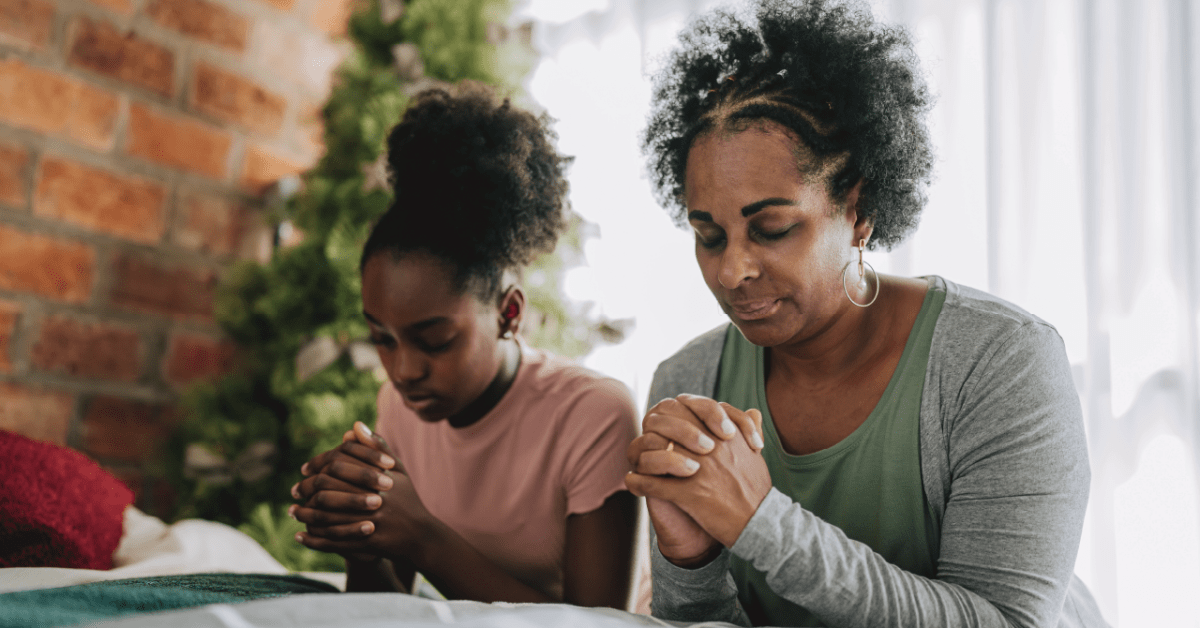
Engagement in religious practices also showcases this commitment to faith. Approximately 58% of Black adults strongly affirm that religion holds a significant role in their lives. They are notably more likely to pray daily (64%) and to participate in religious services—either in-person or online—at least once a month (57%). These figures are starkly contrasted with lower percentages found in other ethnic groups, wherein fewer than half claim similar levels of religious significance.
Even among the religiously unaffiliated, Black individuals demonstrate notable beliefs in spirituality. About 83% of Black “nones” believe in God, surpassing their White (46%), Hispanic (69%), and Asian (42%) counterparts. Additionally, Black “nones” also maintain a strong belief in the existence of a soul or spirit (82%), and around 61% of them engage in prayer monthly or more frequently.
Community and connection form indispensable parts of religious life for Black Americans. Notably, 61% of Black adults who attend religious services regularly belong to Black congregations. These spaces offer unique experiences centered around cultural identity, addressing issues like race relations and community resilience. Historical ties reveal that Black churches have served as vital hubs for social justice, political advocacy, and health initiatives throughout history, contributing to movements such as abolitionism and civil rights.
Gender dynamics play a significant role in the religious landscape of Black America, with Black men exhibiting trends of decreasing religious affiliation over time. While both genders report similar rates of being raised Christian (81% men vs. 85% women), only 67% of Black men identify as Christian adults compared to 78% of Black women. Furthermore, 27% of Black men describe themselves as religiously unaffiliated, compared to just 18% of Black women. This trend indicates a growing divergence in spiritual alignments based on gender, mirroring broader patterns observed in the White demographic.
When it comes to spirituality, a larger proportion of Black women identify as “very spiritual” compared to men (50% vs. 42%). Women also frequently engage in spiritual activities, like listening to music for spiritual reasons or seeking nature for spiritual connections, while patterns of meditation and exercise remain fairly balanced between the sexes.
Age significantly influences religious beliefs among Black Americans, with older adults more likely to identify as very religious compared to their younger counterparts. For instance, 39% of seniors aged 65 and older describe themselves as such, in contrast to just 21% of those under 30. Nonetheless, the younger generation tends to exhibit a broader perception of spirituality, often recognizing the spiritual energy in aspects of nature or memorial sites, with beliefs in these areas being notably higher among those under 50.
The evolving religious landscape among Black Americans reflects a vibrant interplay of tradition, adaptation, and personal belief systems. Insights from this demographic illuminate how race, gender, and age shape religious experiences, guiding understanding of faith’s role in the contemporary African American identity. The nuances of this spiritual journey reveal both cherished traditions and emerging trends, reflecting the continuous evolution of belief in the face of social change. The commitment to faith and community remains a powerful thread woven into the lives of many Black Americans as society continues to shift and transform.