


Exploring Important Histories: “To Be Sold” Exhibition at AARLCC
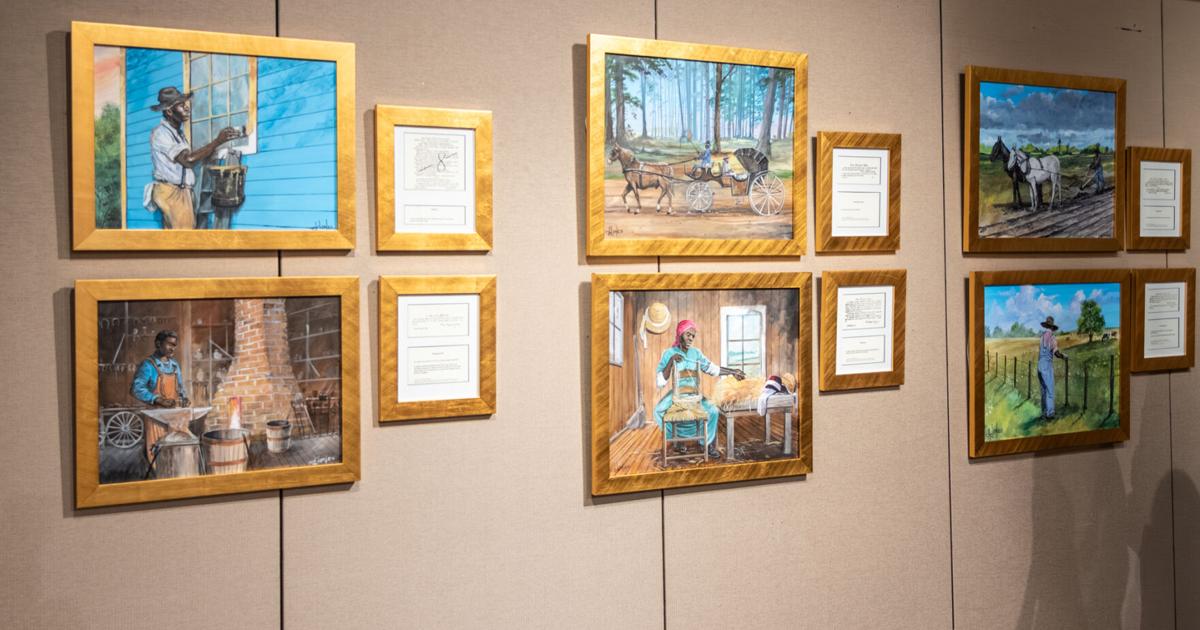
In a poignant response to contemporary challenges surrounding the recounting of Black history, the African American Research Library & Cultural Center (AARLCC) in Broward County presents the exhibition “To Be Sold: Enslaved Labor and Slave Trading in the Antebellum South.” This exhibit delves deep into the domestic slave trade in the U.S. South, featuring original archival documents and evocative artwork by John W. Jones.
Opening the Dialogue
The exhibition opened with a rich dialogue moderated by Dr. Tameka Bradley Hobbs, the Library Manager at AARLCC. In a featured conversation titled “Cultural Conversation: A Bridge to Truth and Connection,” South Carolina State Senator Mia S. McLeod and author Margaret Seidler shared their personal stories and familial connections to the legacies of slavery. This dialogue serves as a vital space for reconciliation and healing, bringing to light how personal histories intertwine with broader societal narratives.
A Tapestry of Truth
Central to the exhibition is the exploration of less-discussed truths about slavery in America. The exhibition draws inspiration from Seidler’s award-winning book, “Payne-ful Business: Charleston’s Journey to Truth.” Through meticulous research and deeply personal reflections, Seidler confronts her family’s past of three generations of enslavers, a legacy that continues to shape conversations about race and history in Charleston, South Carolina.
The exhibit features authentic 19th-century slave advertisements, which not only underline the existence of the domestic slave trade but also evoke the human stories behind the statistics. These artifacts challenge visitors to confront the harsh realities of a system that commodified human lives.
Artistic Perspectives
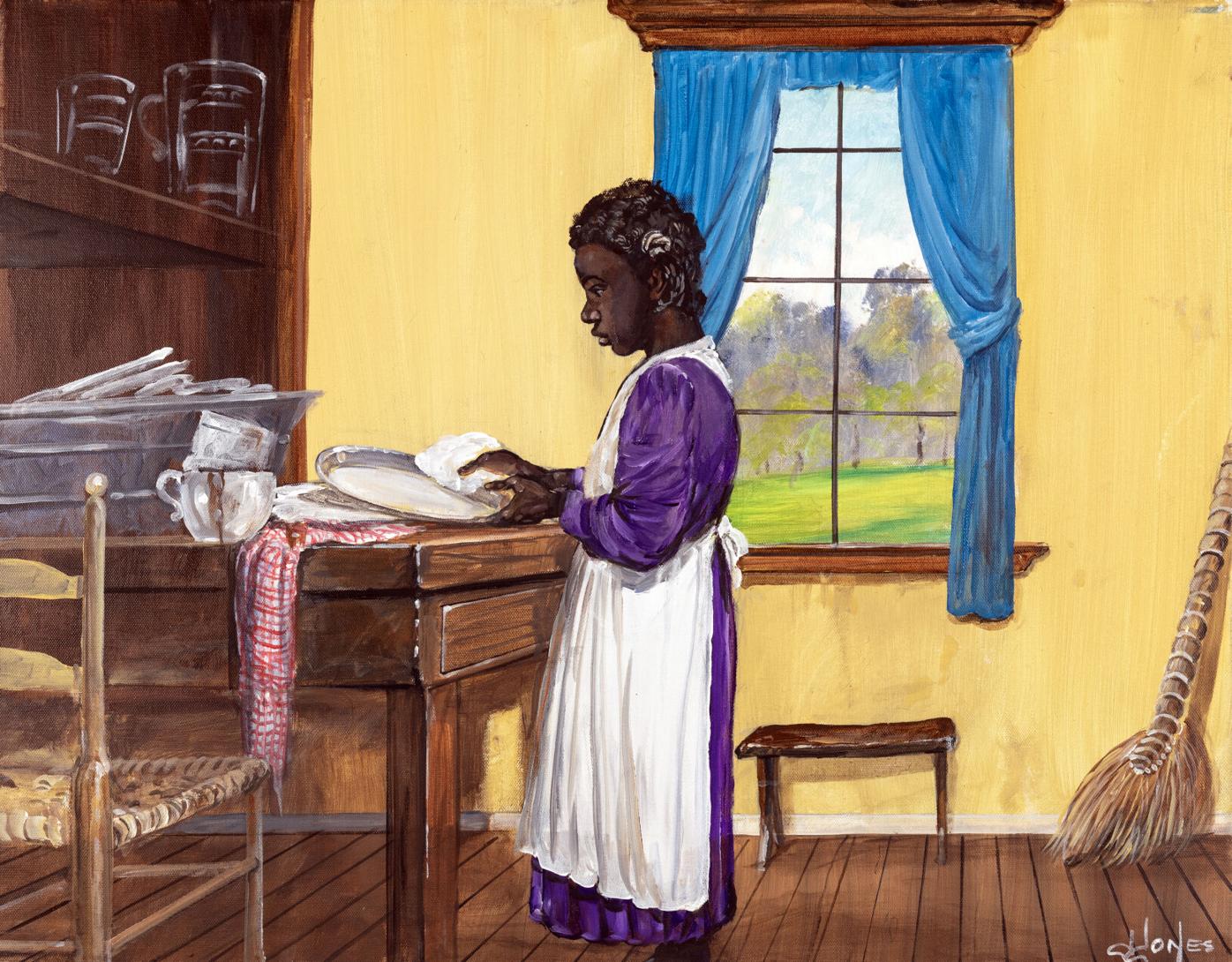
John W. Jones’s artwork adds another layer to the exhibit, providing visual narratives that foster emotional connections to the stories presented. His pieces, such as “A Likely Girl” and “Book Binder,” complement the archival documents, inviting viewers to reflect on the lives and experiences of those who were enslaved. The artwork not only enriches the physical space of the exhibition but also instigates a deeper engagement with the historical context.
Honoring Shared Histories
Dr. Hobbs emphasized the exhibition’s commitment to honoring the strength and humanity of those who endured the brutality of enslavement. She stated that the exhibition aims not merely to retraumatize but to encourage honest dialogue: “Through honest dialogue, we create space for understanding, healing, and reflection.”
In this way, the exhibition becomes more than just a document of history; it transforms into a platform for fostering dialogue and bridging connections between past and present. The intersection of shared histories cultivates compassion and informs discussions that pave the way toward a united future.
Collaborative Efforts
The exhibition is organized in partnership with Partners in Racial Justice and the Gullah Geechee Cultural Heritage Corridor. These collaborations underline the importance of community engagement in preserving history and advocating for social justice. The collective efforts aim to amplify voices that have long been marginalized, enhancing understanding and solidarity in an increasingly diverse society.
A Resource for Education
As one of five specialty libraries in the United States, the AARLCC plays a crucial role in highlighting the contributions of African and Caribbean descendants. The exhibit, on display through December 27, 2025, offers free admission, encouraging broader public engagement. Located at 2650 Sistrunk Blvd., Fort Lauderdale, FL 33311, the center stands as a vital institution within the community, dedicated to education and cultural preservation.
Committing to Future Understanding
“As we navigate complex histories, exhibitions like “To Be Sold” serve as essential reminders of our collective past. By promoting historical awareness and facilitating dialogues rooted in honesty and empathy, the AARLCC invites visitors to confront difficult truths, fostering a shared commitment to a more understanding society.”