


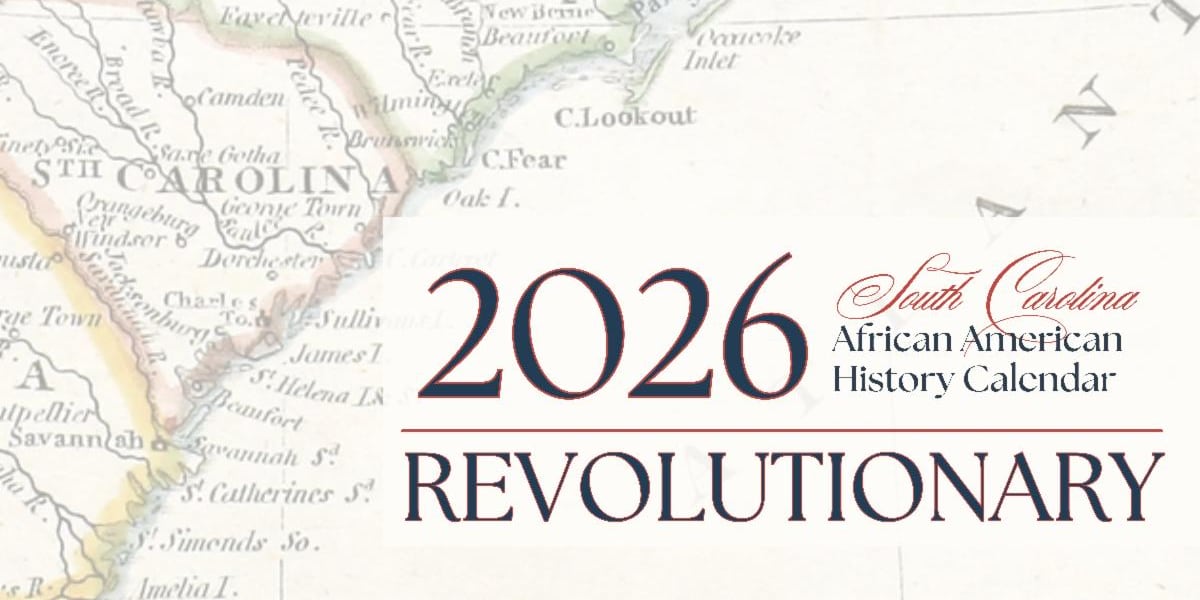
Celebrating Black Revolutionary Heroes: South Carolina’s 2026 African-American History Calendar
The South Carolina Department of Education has taken a significant step toward honoring the rich contributions of African Americans in the state with the unveiling of the 2026 African-American History Calendar. This calendar not only commemorates Black history but also emphasizes the crucial role that African Americans played during the Revolutionary War, shedding light on their often-overlooked contributions to both state and national history.
Highlighting Key Figures from Black History
This year’s calendar is a tribute to remarkable individuals who shaped the course of history through their bravery and resilience. Among the featured figures is Robert Smalls, a former enslaved man who orchestrated a daring escape by stealing a Confederate ship during the Civil War. His journey to freedom and later role as a politician exemplifies the spirit of courage and determination that resonates throughout African American history.
Another pivotal figure included is Esau Jenkins, who dedicated his life to championing education and civil rights for the African American community. Jenkins’ efforts not only uplifted countless individuals but also contributed to the broader civil rights movement, emphasizing the importance of education as a tool for empowerment and change.
Additionally, the calendar recognizes Jim Capers, an enslaved drummer who fought bravely for independence. Capers’ story reminds us that even amidst the shackles of slavery, many African Americans displayed extraordinary courage and patriotism, contributing valorously to the Revolutionary War.
The Importance of Inclusive Education
Superintendent of Education Ellen Weaver articulated the necessity of teaching a comprehensive history of South Carolina to students. She stressed that education should reflect the diverse narratives that form the state’s foundation. “We want every single student in South Carolina to see themselves in South Carolina’s story and in America’s story,” Weaver said. This statement underscores the importance of representation in educational materials, allowing students from all backgrounds to connect with their history.
Weaver’s vision is crucial in creating an educational environment where students feel valued and acknowledged. By integrating stories of African American heroes into the curriculum, educators can foster a sense of belonging and encourage students to appreciate the diverse fabric of their state’s history.
The Role of Historical Recognition in Modern Education
The unveiling of the 2026 African-American History Calendar serves as a vital reminder of the engagement of the African American community in South Carolina’s revolutionary past. This recognition plays a dual role: it honors historical figures and introduces modern students to contexts that shape their identities today.
Integrating these stories into the educational framework empowers students to draw inspiration from the past. It compels them to reflect on the ongoing struggle for equality and justice, and it encourages them to contribute positively to society.
Community Engagement and Continuous Learning
The unveiling event is not just a formality but an invitation for the community to come together and celebrate their shared history. It encourages dialogue and fosters a collective understanding of the cultural heritage that shapes South Carolina. Communities are encouraged to engage with the calendar, using it as a tool for learning and discussion within families, schools, and local organizations.
To stay informed and involved, community members are urged to subscribe to updates and engage with local news outlets. Initiatives like the newsletter from WIS provide an avenue for continuous learning and connection, ensuring that discussions surrounding African American history remain alive and relevant.
Final Thoughts
The 2026 African-American History Calendar symbolizes much more than just dates and events; it encapsulates the spirit of resilience and contributions made by African Americans throughout history. By spotlighting figures like Robert Smalls, Esau Jenkins, and Jim Capers, South Carolina is taking an essential step toward fostering an inclusive narrative that enriches the educational experiences of all its students. These efforts cultivate a deeper understanding of the state’s history, encouraging a future where diversity is celebrated and embraced.