


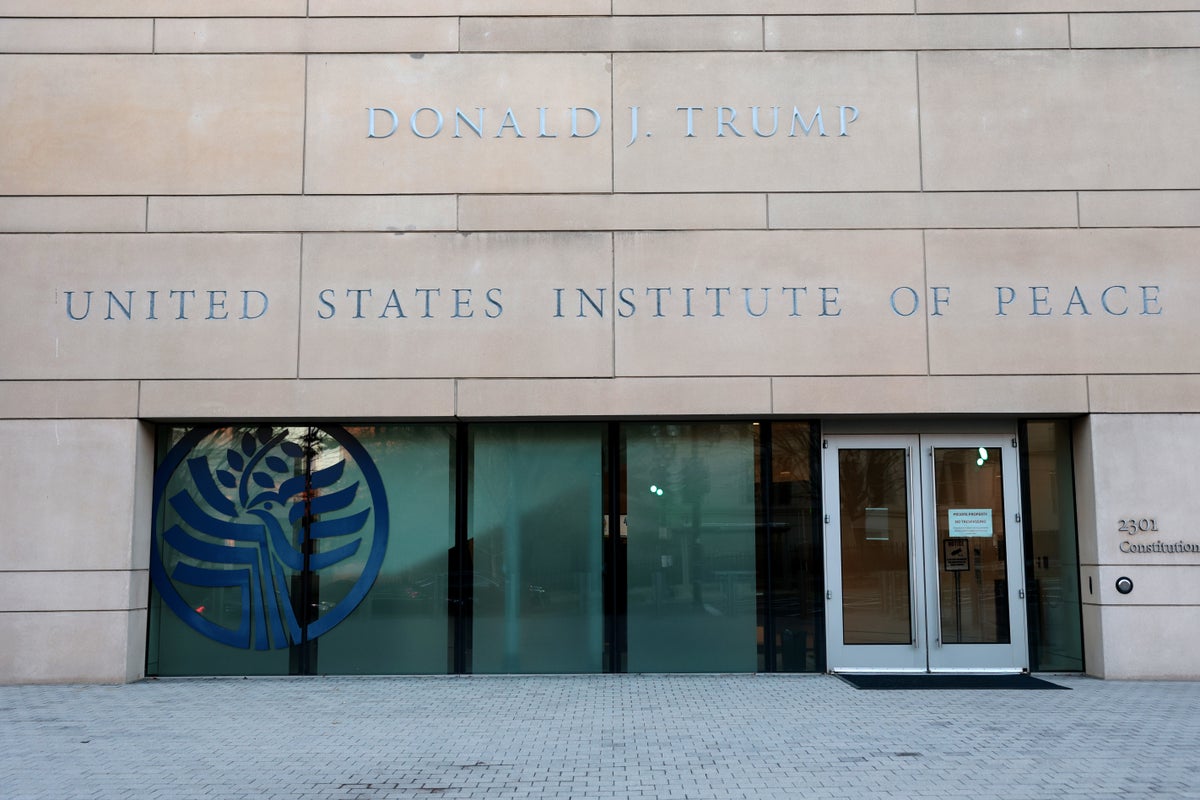
The Controversial Rebranding of the U.S. Institute of Peace
In a surprising turn of events, the U.S. Institute of Peace has undergone a significant rebranding under President Donald Trump’s administration, now officially known as the Donald J. Trump Institute of Peace. This rebranding decision has drawn attention not just for its audacity but for the implications it carries for the future of this independent think tank.
A Shift in Identity
Originally established in 1985 by President Ronald Reagan, the U.S. Institute of Peace was intended to promote conflict resolution and peacebuilding globally. However, the name change to reflect President Trump’s persona as “the greatest dealmaker in our nation’s history” raises questions about the integrity and purpose of an institute previously held in esteem for its educational and diplomatic initiatives.
According to the State Department, this rebranding was announced alongside considerable funding cuts, fundamentally changing how the institute operates and is perceived both domestically and internationally.
The Irony of Name vs. Action
The rebranding might strike many as ironic. Critics argue that it symbolizes the destruction rather than the promotion of peace. The Trump administration has been engaged in a legal battle over the institute, with accusations of an armed takeover and efforts to forcibly alter its leadership. More than 200 employees were laid off earlier this year, with most of the board members replaced, leaving the institute in a precarious position both financially and operationally.
Attorneys representing the institute’s former leadership have described the rebranding as “adding insult to injury,” especially given that a federal judge previously ruled that the government’s actions concerning the institute were illegal. As it stands, a final ruling from a federal appeals court is still awaited, which could determine the future governance of the institute.
The Role of Money in Journalism
Amidst this backdrop of uncertainty, it’s crucial to discuss the broader implications tied to funding for independent journalism. A separate but related angle features The Independent, a respected media outlet dedicated to covering pressing issues in American society, from reproductive rights to climate change. They emphasize the importance of quality journalism, funded through donations rather than paywalls, to maintain accessibility.
The idea posited by The Independent is that financial support enables critical reporting on significant stories that impact the world, including ongoing disputes in U.S. governance. This sentiment highlights the necessity for journalists who can convey nuanced perspectives across the political spectrum—an essential function of a healthy democracy.
Navigating a Legal Minefield
With Trump’s administration cutting funding and overriding governance structures, the U.S. Institute of Peace is caught in a legal minefield. Former officials argue the institute stands outside presidential authority due to its independent status. The Trump administration, however, claims that it has every right to rebrand and reallocate resources to what it deems a “bloated” entity.
This conflict echoes larger national conversations about the autonomy of independent institutions, especially those heavily funded by the federal government. The ever-evolving relationship between political authority and institutional independence hangs in the balance, with potentially far-reaching consequences.
Global Perspectives on Peace
The implications reach beyond U.S. borders, as the name change coincides with Trump’s broader agenda to reframe his narrative as a global peacemaker. Having campaigned for the Nobel Peace Prize, the president has frequently claimed credit for various initiatives, including a ceasefire in Gaza and attempts to mitigate conflict in Ukraine. However, on the ground, his approach has involved military action and aggressive postures towards nations like Venezuela.
The dissonance between self-proclaimed achievements and relentless military actions thus creates a jarring narrative, which undermines his administration’s assertion of being a force for peace.
A Future in Flux
Looking ahead, the fate of the U.S. Institute of Peace remains uncertain. Funding cuts threaten its operational viability, and the changes brought about by the Trump administration have fundamentally altered its identity. With so many moving parts, the long-term stability of both the institute and U.S. conflict resolution efforts hangs in the balance.
In these turbulent times, the commitment of journalists and independent institutions to tell stories that matter becomes increasingly vital, ensuring that essential narratives are not lost amid the political fray.