


By Joanna Gilmore, College of Charleston
A significant archaeological discovery in Charleston, South Carolina, unveiled the remains of 36 individuals of African descent in 2013. These remains were hidden for about 200 years, buried in an unmarked 18th-century cemetery, illustrating the often overlooked histories of African Americans in the United States. This unearthing highlights how societal neglect can obscure significant cultural and historical sites.
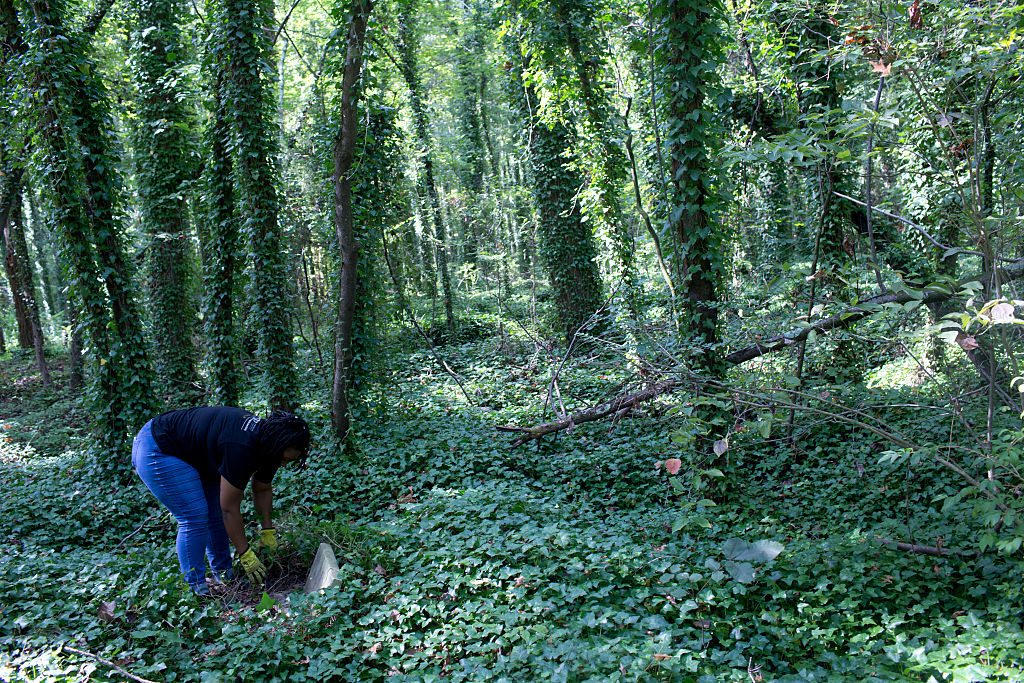
For centuries, burial grounds in the former American slave states, like the one in Charleston, have frequently been disturbed, altered, or outright forgotten. These sites have been paved over by modern infrastructure, left unattended, or simply wiped from memory. Activist groups and descendant communities across America, from Bethesda, Maryland to Sugarland, Texas, have called for these long-neglected sites to receive the recognition and respect they deserve.
As a public archaeologist and educator deeply engaged with the local community, I co-direct the Anson Street African Burial Ground project. Our mission is to honor and respectfully inter the ancestors whose remains surfaced in 2013. This initiative represents a growing acknowledgment that African American burial grounds serve as vital historical markers and repositories of genealogical knowledge.
Cemeteries Obscured by History
Historically, laws and customs in America have marginalized burial practices for people of African descent. During colonial times, enslaved individuals and free Black people were systematically barred from white burial grounds. On plantations, enslavers dictated burial practices and marked graves with little regard for the deceased’s humanity. In urban settings, segregated burial grounds, established to accommodate impoverished Black populations, often fell into oblivion.
Pushed to the fringes, family and community members maintained their burial traditions using unique markers—shells, bottles, or artifacts—that contemporary observers often dismissed. Many of these burial sites escaped documentation and remained unofficially acknowledged.
Post-Reconstruction and during the Jim Crow era, the Great Migration propelled nearly six million African Americans northward, driving a wedge between families and ancestral cemeteries in the South. This migration often resulted in further degradation of burial sites, which local authorities subsequently categorized as “abandoned.”
In both urban and rural landscapes, Black cemeteries sat on less valuable land, exposing them to ongoing threats from gentrification, development, and the impacts of climate change.
The Gullah Geechee people, descendants of enslaved Africans along the southeastern United States, assert that these sacred spaces have never truly been abandoned and that the spirits of their ancestors remain present. This belief system emphasizes the ongoing connection between the living and the dead, underscoring the significance of proper burials and remembrance.
A Tradition of Sacred Spaces
In the cultural fabric of many African American communities, death, particularly during slavery, is not perceived merely as an end but rather as a “homegoing,” signifying a spiritual return to ancestry.
This perspective is grounded in West African spiritual beliefs. The act of burial serves as a release from bondage and marks a critical transition to communal wholeness.
The Gullah Geechee’s cultural practices stress the importance of remembrance and maintaining a spiritual connection to the land. In their worldview, honoring the deceased is a community imperative necessary for holistic well-being.
A turning point arrived in the early 1990s, with heightened awareness of ancestral rights following the 1990 Native American Graves Protection and Repatriation Act. This legislation prompted African American communities to advocate for ethical treatment and recognition of ancestral remains and burial sites.
One notable example, the discovery of the New York African Burial Ground, became crucial in reshaping public memory and archaeological ethics. Uncovered in Manhattan, the burial ground revealed the resting places of over 400 enslaved and free Africans. Community advocacy transformed the site into a protected area and initiated a process of ceremonial reburial.
Successes like these have inspired numerous descendant-led memorialization endeavors across the U.S., from Portsmouth, New Hampshire to Key West, Florida, effectively restoring dignity to ancestral remains.
What Made the Anson Street Project Unique
The Anson Street African Burial Ground project uniquely integrates Gullah Geechee traditions and descendant collaboration into every phase—from scientific study to reinterment.
Launched in 2017 as a community-driven initiative, the project emphasized listening to the community. We engaged in regular meetings to discuss the ancestors’ identities, their lives, and the hopes for memorialization. This collaborative spirit put Black voices at the forefront of our efforts.
Scientific inquiries into ancestry and health were woven into the project, while spiritual guidance and ceremonial practices provided depth and sanctity to the process. This is more than a historical study; it has become a communal act of remembrance, reconnecting present-day Charleston with the ancestors whose tales were long forgotten.
Over two years, this commitment reflected in youth art sessions, college courses on memorial design, public exhibitions, and school collaborations. A particularly poignant moment occurred during conversations with local youths, leading to a decision that the ancestors ought to be named before their reburial.
This naming ceremony unfolded in April 2019, facilitated by Natalie Washington-Weik, a Yorùbá-Orisa Ọ̀ṣun priestess. She heralded this ritual as a vital step in reclaiming the humanity of those ancestors who suffered dehumanization during their forced migration.
In a final reinterment ceremony imbued with cultural respect, the ancestors were laid to rest amidst a deep acknowledgment of their history and spiritual significance.
When Pain Is Acknowledged, Healing Can Occur
The 2019 naming and reinterment ceremonies surpassed simple commemorative acts; they were rituals of healing and remembrance.
A permanent memorial at the Anson Street site, crafted by artist Stephen L. Hayes Jr., has commenced. Its focal point is a basin filled with sacred soil from 36 Black burial grounds across Charleston. From this basin, 36 bronze hands will rise—each cast from community members, symbolizing gestures of prayer, reverence, and resistance.
Through these memorialization efforts, community members shared their reflections on the meaning of participation. Many expressed feelings of pride, reverence, joy, sadness, and peace. One participant encapsulated these sentiments, stating, “This conversation makes me feel complete.”
These initiatives demonstrate that preserving the narratives of the past is essential in acknowledging, respecting, and reconciling histories that have long been shadowed from view in the journey toward healing.
Joanna Gilmore is an adjunct professor in museum studies and bioarchaeology at the College of Charleston. This article is republished from The Conversation under a Creative Commons license. Read the original article.