


The Chaotic Landscape of College Football Playoff Selections
There’s a reason why almost every sport determines its postseason teams based on on-field results, not “vibes.” And in college football, vibes are once again terrible.
In a country where college football holds massive cultural significance, the way champions are determined has evolved dramatically over the years. From the reliance on computer algorithms and sportswriters to the more personalized approach we see today with playoff committees, the journey to find the nation’s top team has never been straightforward. The chaotic nature of this selection process reveals much about the sport, especially when the stakes are high.
Historical Context of Championship Determination
Historically, college football has oscillated between various methods of crowning champions. Early on, the championship was often decided through sportswriters’ opinions, a scenario many enthusiasts found unsatisfactory. As technology advanced, computer models emerged, arguably providing a more objective measure but also facing consistent backlash from fans.
In the 2010s, the introduction of a playoff system brought back the human element to the selection process. The initial four-team format functioned relatively well, with the selection committee getting most decisions right. However, with the recent expansion to a 12-team playoff format, the complexities of selection have intensified, leaving more room for debate and dissatisfaction among fans.
The Human Element and Its Pitfalls
This human element, while engaging, is susceptible to bias and inconsistency. The 2023 season illustrated this vividly when Florida State, an unbeaten power conference champion, was excluded from the final four in favor of Alabama—a team that had just lost decisively in its conference championship. The reasoning? Florida State’s starting quarterback had suffered a serious injury. In this predicament, the committee seemed to prioritize perceived future potential over actual performance, raising questions about accountability and fairness in the selection process.
This blend of selecting the “best” teams versus the “most deserving” teams encapsulates the crux of the controversy surrounding human rankings. While Alabama likely had the talent, the selection committee’s decision shifted focus away from tangible accomplishments on the field.
Repeating Patterns and Current Discontent
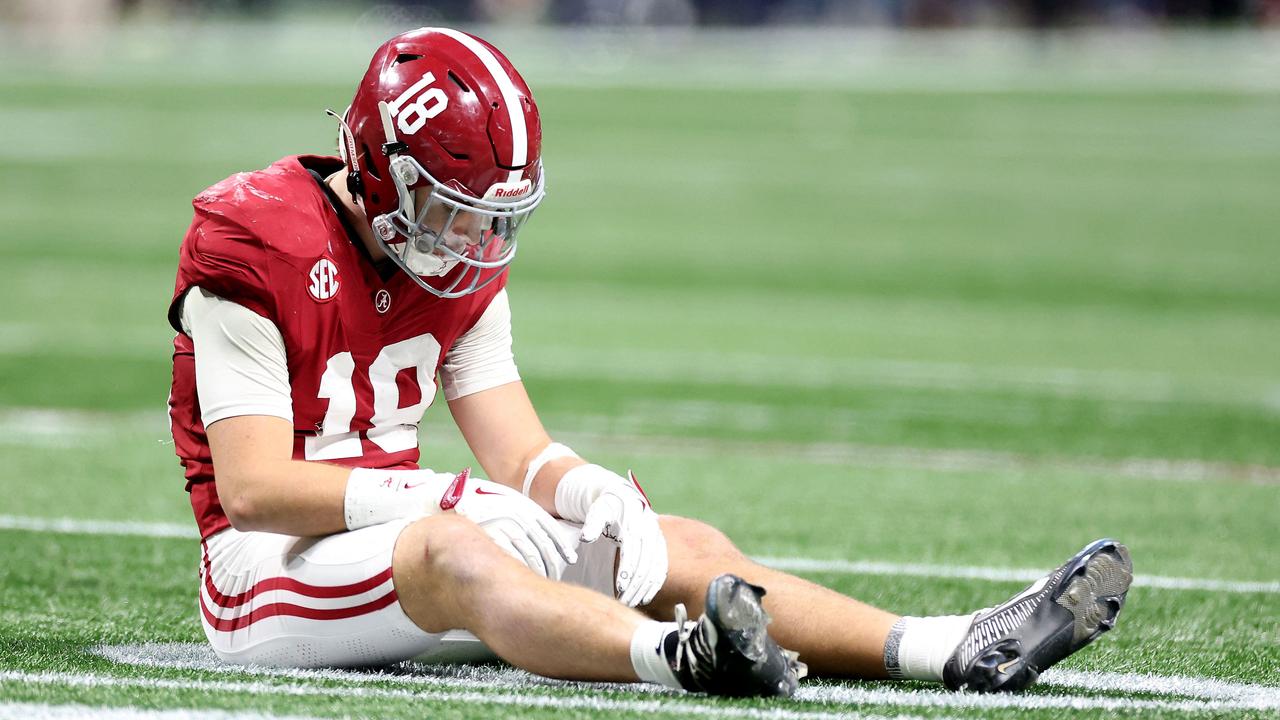
Fast forward to the 2025 season, and Alabama finds itself once again in the spotlight under contentious circumstances. After the final bracket was unveiled post-conference championships, Alabama held onto its No. 9 ranking despite a disheartening loss to Georgia. Meanwhile, Notre Dame, which had been on an impressive run, inexplicably fell out of playoff contention despite not playing that weekend. This situation left many baffled, especially as Notre Dame had previously been deemed a lock for the postseason.
The inconsistencies in rankings and selections have fueled dissatisfaction and distrust among fans and program officials alike. Notre Dame’s athletic director expressed frustration, labeling the selection process as a “farce” and issuing an ultimatum regarding their participation in bowl games. Such reactions underscore the broader implications of selection decisions—teams feel disrespected when their performance is disregarded in favor of conjecture or bias.
Intricacies of Conference Dynamics
Amid this turmoil, the underlying dynamics of college conferences add another layer of complexity. The conference championships, once the pinnacle of competitive achievement, are becoming increasingly viewed as less critical, especially with the influx of expanded playoff participation. The situation is further complicated by convoluted tiebreaker rules and improper representations of team performance based on flawed metrics.
Duke’s surprising appearance in the playoffs—despite a subpar season—highlights this issue. The less scrupulous champions of larger conferences can overshadow genuinely deserving teams. While the 2026 season will implement changes designed to create more equitable playoff pathways, there’s skepticism about whether these adjustments will serve to elevate or further dilute the competitive integrity of the sport.
Conspiracy Theories in the Selection Process
The convergence of rivalry and politics often breeds conspiracy theories, and college football is no stranger to this phenomenon. Many fans speculate that the committee is strategically favoring powerful conference teams to maintain the relevance of conference championship games, fearing their devaluation could deter future teams from participating. While this may sound conspiratorial, protections for established programs often lead to decisions perceived as dubious by observers.
The crux here is that teams like Alabama afford the committee less risky choices, ultimately affecting the tournament’s overall narrative. Keeping prominent programs in contention ensures heightened viewing numbers, which fuels the sport’s financial engine—an overarching concern that often supersedes sporting merit.
The Future of College Football Playoffs
Looking ahead, the future of college football playoffs seems poised for additional upheaval. Proposed expansions hint at further entrenching the power dynamics between major conferences at the expense of smaller programs, potentially consolidating power within a few elite programs while diminishing opportunities for underdogs.
The discussions are shifting toward bold ideas—like expanding the playoff to 24 or even 28 teams—highlighting a transition toward commercial interests over competitive integrity. With the complexities of rank, reputation, and revenue interwoven through the fabric of college football, every decision made by the playoff committee reverberates throughout the landscape of the sport.
In summary, the saga of college football playoffs illustrates not just the unpredictable nature of sports, but a broader reflection of human decision-making, commercial pressures, and the ever-present quest for competitive fairness in an unequal playing field. As the rivalry between powerhouses intensifies, authentic stories of emerging teams like James Madison are at risk of being overshadowed—raising questions about who the sport truly serves.