


Trump’s Controversial Remarks and Their Implications
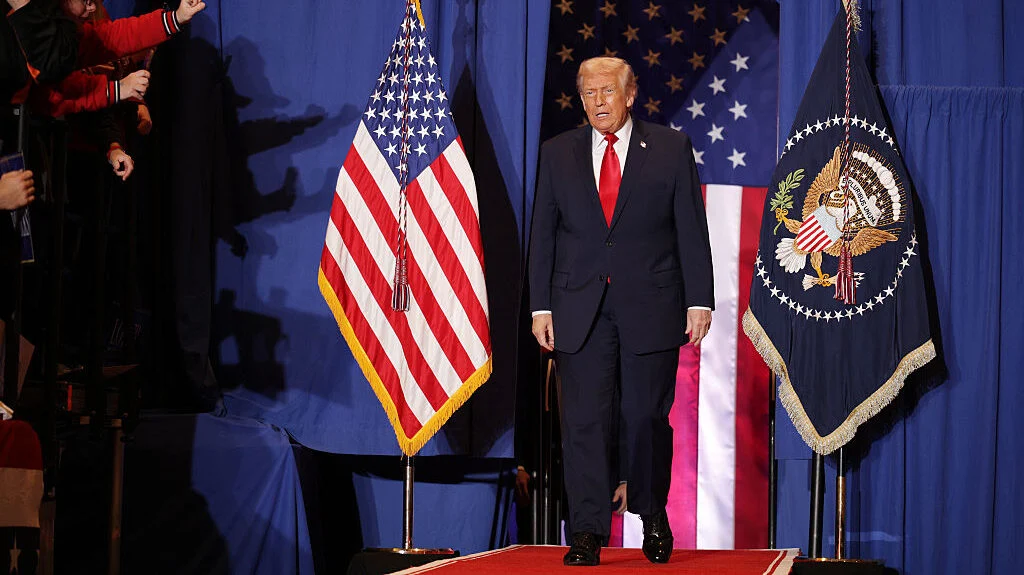
In a recent rally in Pennsylvania, President Donald Trump resurrected contentious remarks he made about certain countries and their immigrants seven years ago. This appearance was part of his ongoing focus on strict immigration policies, a cornerstone of his political identity. His comments specifically targeted African nations and Haiti, which he previously labeled as “hell holes” and “third-world” countries.
A Familiar Agenda
During the rally, Trump announced a “permanent pause” on immigration applications from a list of predominantly African nations. This term, “permanent pause,” has become a euphemistic way of framing immigration bans in the context of his administration’s policies. The phrase resonates with his longstanding rhetoric aimed at bolstering support among his base, particularly those who prioritize tough immigration enforcement.
The ‘Shithole’ Controversy
At one point, a supporter in the crowd used an expletive to describe the countries Trump had mentioned, sparking a moment of levity in which Trump clarified, “I didn’t say sh—thole, you did.” This acknowledgement seemed to reference his past, as he had previously denied using that particular term during a bipartisan meeting on immigration in 2018. Nevertheless, his feigned denial was laced with an undertone of recognition, hinting at a deeper truth that many find troubling.
In the back-and-forth that ensued, critics quickly pointed to Trump’s earlier remarks where he was reported to have dismissed Haiti and African countries as “sh—thole countries.” He was also accused of making inappropriate comments about Haitians, suggesting that they all had AIDS. These statements have been consistently wielded by Trump’s opponents to demonstrate his perceived racial biases, adding fuel to the fire of accusations that he holds prejudiced views about Black individuals globally.
The Reaction from Critics
Trump’s comments have prompted a strong response from many advocacy groups and political analysts. Brandon Weathersby, a spokesperson for American Bridge 21st Century, offered sharp criticism, stating, “Trump’s admission is just an accidental glimpse of honesty from a man who built his career on lies, cons, and deception.” This reflects a broader sentiment among Trump’s critics, who assert that his rhetoric often oscillates between denial and acknowledgment, stripped of accountability.
Weathersby further articulated that Trump’s policies over the past two years cater more to the wealthy than to the average American family. “Every policy decision reinforces that the only people benefiting from Trump’s presidency are Trump and his allies,” he noted, painting a picture of disconnect between Trump’s promises and the lived realities of many Americans.
Remarks on Race and Identity
The rally was not solely centered around immigration; Trump also made spontaneous comments regarding race and identity. He asserted that he had garnered the largest vote share from Black voters, stating, “They know a scam better than anybody.” This statement, delivered to a crowd that was predominantly white, has drawn criticism for its patronizing undertones. The implication that Black voters are inherently more attuned to being “scammed” feeds into age-old stereotypes and has been interpreted as an attempt to pander to specific demographics while simultaneously alienating others.
Conclusion
Trump’s rhetoric continues to provoke controversy, drawing lines in the political sand that reflect broader societal divides. Whether it’s his reference to certain countries or his comments aimed at specific groups, each rally serves to amplify divisive sentiments that resonate with some while alienating many others. As discussions surrounding immigration, race, and identity evolve, Trump’s statements will likely remain a focal point in ongoing debates about social justice and equality in America.