


Brandon Scott on Housing Affordability: Insights for Leadership in Urban Challenges
A Focus on Housing Affordability
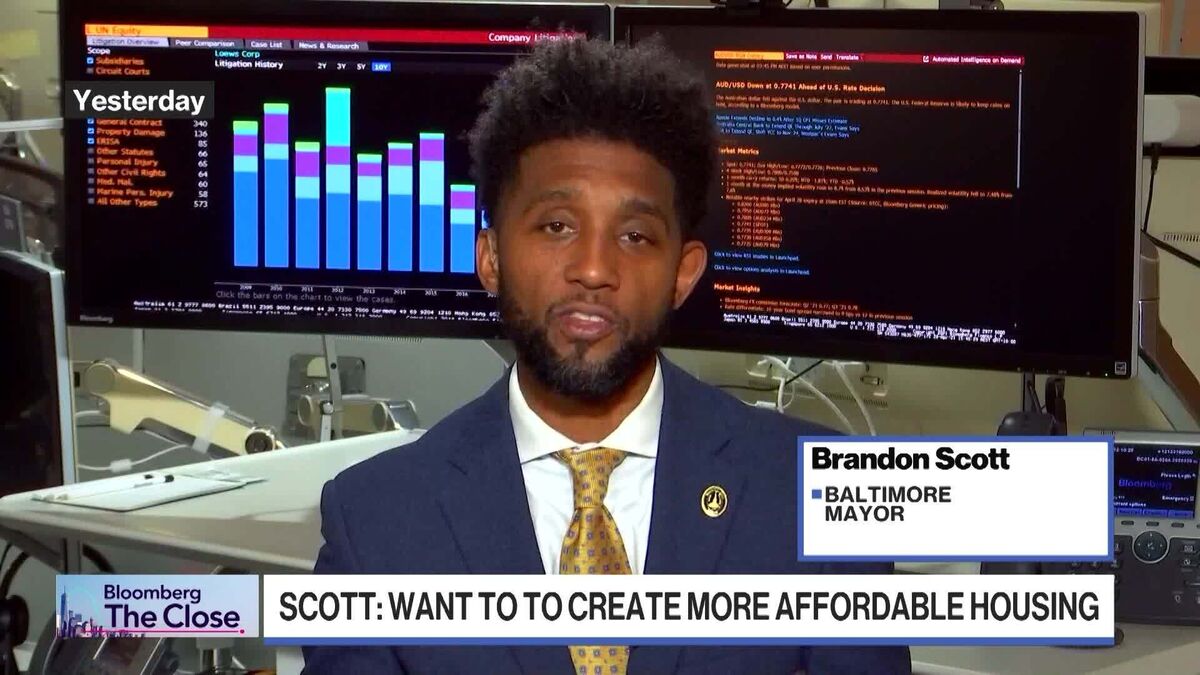
Housing affordability remains a pressing issue in many cities across the United States, and Baltimore is no exception. As discussions surrounding this topic escalate, Baltimore’s Mayor Brandon Scott has emerged as a voice of reason. He emphasizes that the conversation about housing must transition from mere dialogue to actionable solutions. During his recent appearance on Bloomberg’s “The Close” with Romaine Bostick, Scott highlighted that tackling housing affordability requires not just policies but also a deep understanding of the communities affected.
Leadership Lessons for Mamdani
In his discussion, Scott shared valuable advice for New York’s mayor-elect, Mamdani. He urged Mamdani to prioritize people above all, recognizing that the essence of effective governance lies in the relationships forged with the community. Scott’s recommendation is clear: true leadership is about understanding the needs and concerns of the constituents and weaving those insights into a coherent strategy. When leaders concentrate on people, they establish a foundation for initiatives that resonate, ensuring they are relevant and beneficial.
Building the Right Team
Scott underlined the importance of assembling a competent and diverse team. He believes that collaboration among a team with varied experiences and perspectives enhances problem-solving capabilities. A successful mayor not only needs advisors who can bring essential skills but also individuals who are in touch with the communities they serve. This diversity will enable the leadership to address the multifaceted challenges surrounding housing and urban development more effectively.
Collaborative Governance and Community Engagement
Engaging with community members, stakeholders, and organizations is vital in addressing housing issues. Mayor Scott advocates for a collaborative approach, where government works hand-in-hand with nonprofit organizations and housing advocates. This effective partnership can mobilize resources and create initiatives tailored to local needs. By fostering such relationships, leaders can build trust within neighborhoods and ensure that solutions are designed with an understanding of on-the-ground realities.
Balancing Development with Affordability
One of the critical components of Scott’s vision is balancing new developments with affordability. It’s essential for cities to grow economically without displacing current residents. Scott emphasized that urban planners must be sensitive to the implications of gentrification and ensure that the benefits of development reach all citizens. Creative strategies, such as mixed-income housing and community land trusts, can be pivotal in achieving this balance.
The Role of Policy in Shaping Housing Markets
Policies are foundational in shaping housing markets, and Scott advocates for systematic changes that prioritize affordability. He stressed the need for policies that encourage the construction of affordable housing units while simultaneously addressing the needs of existing residents. Tax incentives for developers who build affordable units and stringent regulations against discriminatory practices are just some areas where policy can create a more equitable housing environment.
Listening to the Voices of Residents
As discussions surrounding housing continue, it’s crucial that leaders listen actively to the voices of residents. Scott pointed out that many valuable insights come from community members who experience these issues firsthand. He encourages politicians to hold regular forums and town hall meetings, providing platforms for residents to express their frustrations and aspirations. This grassroots feedback mechanism can inform policies and lead to community-driven solutions that resonate deeply with the populace.
Navigating Political Challenges
Scott was candid about the political hurdles that often accompany the implementation of housing solutions. Given the varied interests at play—from developers to community advocates—leaders must navigate these waters carefully. Effective negotiation skills and the willingness to compromise are essential in forging solutions that benefit all parties involved. Scott’s experience illustrates the importance of political savviness amidst a backdrop of complex urban challenges.
Conclusion
Though there’s much to consider when tackling housing affordability and urban leadership, Brandon Scott’s insights reveal a roadmap grounded in community engagement, effective policy, and collaborative governance. His approach offers a blueprint not just for Mamdani but for all leaders aspiring to foster inclusive and thriving urban environments.