


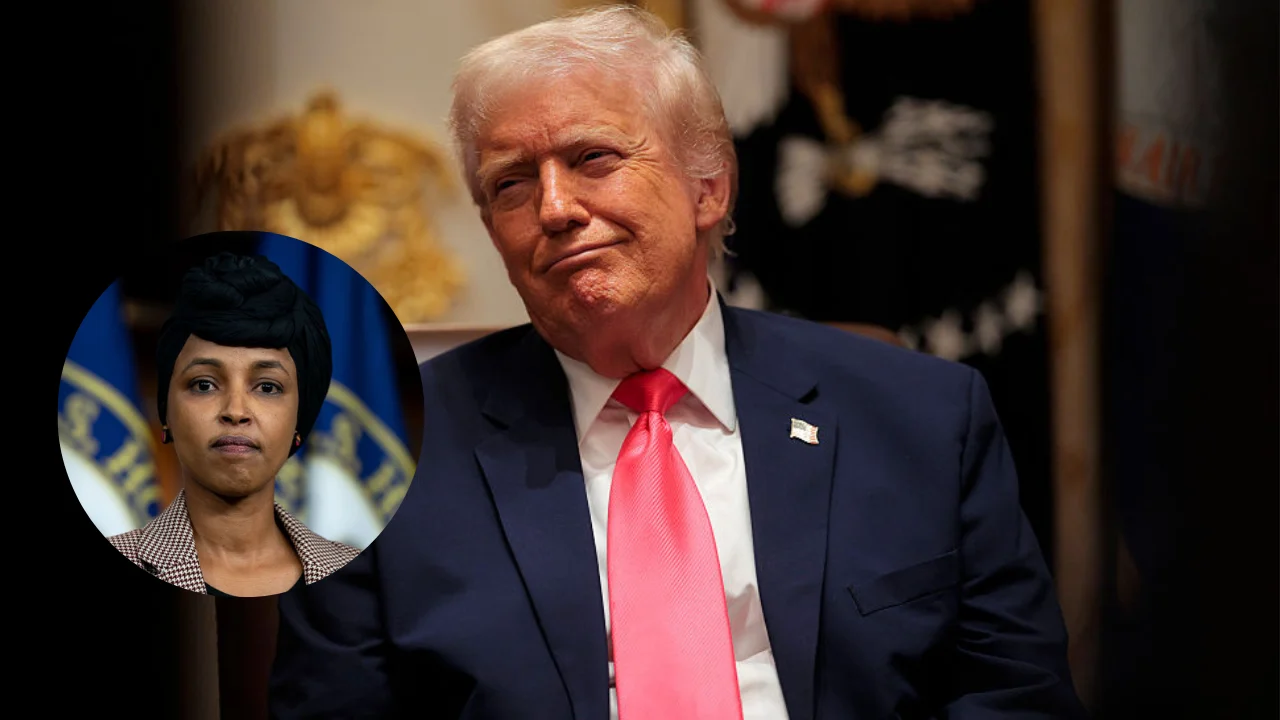
The Ongoing Controversy: Trump, Ilhan Omar, and the Language of Hate
President Donald Trump has once again found himself in the midst of controversy, targeting U.S. Representative Ilhan Omar during a recent White House press conference. This latest incident is not an isolated event; it reflects a troubling pattern of rhetoric aimed at the Somali congresswoman, raising questions about the implications of such language in contemporary American politics.
The Exchange: An Unfolding Conflict
During a bill-signing event, a reporter posed a provocative question to Trump, inquiring whether he believed Rep. Omar should be “denaturalized.” Though Trump did not answer the question directly, his response was a string of insults that have characterized his treatment of Omar since she entered Congress. He described her as “very bad for our country,” accusing her of constantly complaining and being a negative presence in U.S. politics.
Insults and Accusations
Trump’s comments extended beyond general discontent; he invoked stereotypes about Somalia, mentioning the lack of governance in her country of origin. “She comes out of a country where they have no government, they have no military, they have no police,” he said, suggesting that these conditions disqualify her from offering input on American policy. His language was provocative, culminating in a crude expression that aimed to dismiss her contributions further.
Framing Immigrant Identity
What’s particularly disturbing about Trump’s remarks is the manner in which he frames immigrant identity. By referring to Somali immigrants and, by extension, Omar as “garbage,” he perpetuates harmful stereotypes that dehumanize individuals from immigrant backgrounds. This rhetoric can resonate with segments of the population who may already hold xenophobic or prejudicial views, creating a divide within American society.
The Somali Immigrant Experience
Omar’s subsequent response highlights the personal impact of Trump’s words. She has characterized his remarks as part of a “creepy obsession” with her and the Somali community. According to Omar, Trump’s tirades represent a blatant attack not only on her character but also on the identities of American citizens who share her background. “These are Americans that he is calling garbage,” she stated, underscoring the serious implications of such irresponsible rhetoric.
Broader Implications for Immigration Policy
Trump’s comments echo his broader stance on immigration throughout his presidency. His administration has often sought to portray immigrants as threats, rather than contributors to American society. By falsely linking immigrant communities to criminal activities, such as the alleged COVID-19 fraud in Minnesota, he distracts from the contributions that many immigrants make while unfairly continuing the narrative of a categorical “other.”
Public Reaction and Political Fallout
The recurring nature of Trump’s attacks on Omar has galvanized many of her supporters and advocates for immigrant rights. They see her as a symbol of perseverance in the face of targeted aggression. Reactions range from outrage to pledges of solidarity, with many condemning the president’s choice of words and suggesting that they reflect deeper societal issues concerning race and immigration.
Media Responses
The media’s portrayal of both figures has also played a role in shaping public perceptions. Some outlets condemn Trump’s rhetoric, framing it as incendiary and harmful. Others question Omar’s resilience, dissecting her legislative achievements and contributions to present a more comprehensive narrative of her role in Congress.
An Ongoing Debate
As this saga unfolds, it raises critical questions about the discourse surrounding immigration, race, and identity in America. Trump’s remarks serve as a potent reminder of the struggles faced by many immigrants and people of color in a political environment that often marginalizes their voices. Omar’s public rebukes not only highlight her individual experience but also reflect the broader challenges that many marginalized communities confront in contemporary America.
In a polarized political landscape, the tension between Trump and Omar continues to evolve, sparking discussions that reach far beyond their personal conflicts and touch upon the values and priorities of the nation as a whole.