


In the heart of Washington, D.C., a unique cultural tapestry weaves together the legacies of Native American and African American communities, an essence most poignantly captured by Father Maurice Henry Sands. This soft-spoken priest, who leads the Black and Indian Mission Office, embodies a rich ancestry and experience that informs his work. Father Sands, a member of the Ojibway, Ottawa, and Potawatomi tribes collectively referred to as Anishnaabe, brings personal insights into the importance of extended family and community within Native American cultures.
Growing up on Walpole Island, straddling the border of Ontario and Michigan, Father Sands experienced life surrounded by his large family. With six siblings and 30 uncles and aunts, his familial connections are extensive. “Among Native Americans, we keep track of all our relatives,” he emphasizes, highlighting a tradition that encourages deep-rooted relationships. “I know my cousins, and yes, I know all their names. That’s been a great help to me, staying grounded in my work and in my culture.”
Illuminating Stories through Documentaries
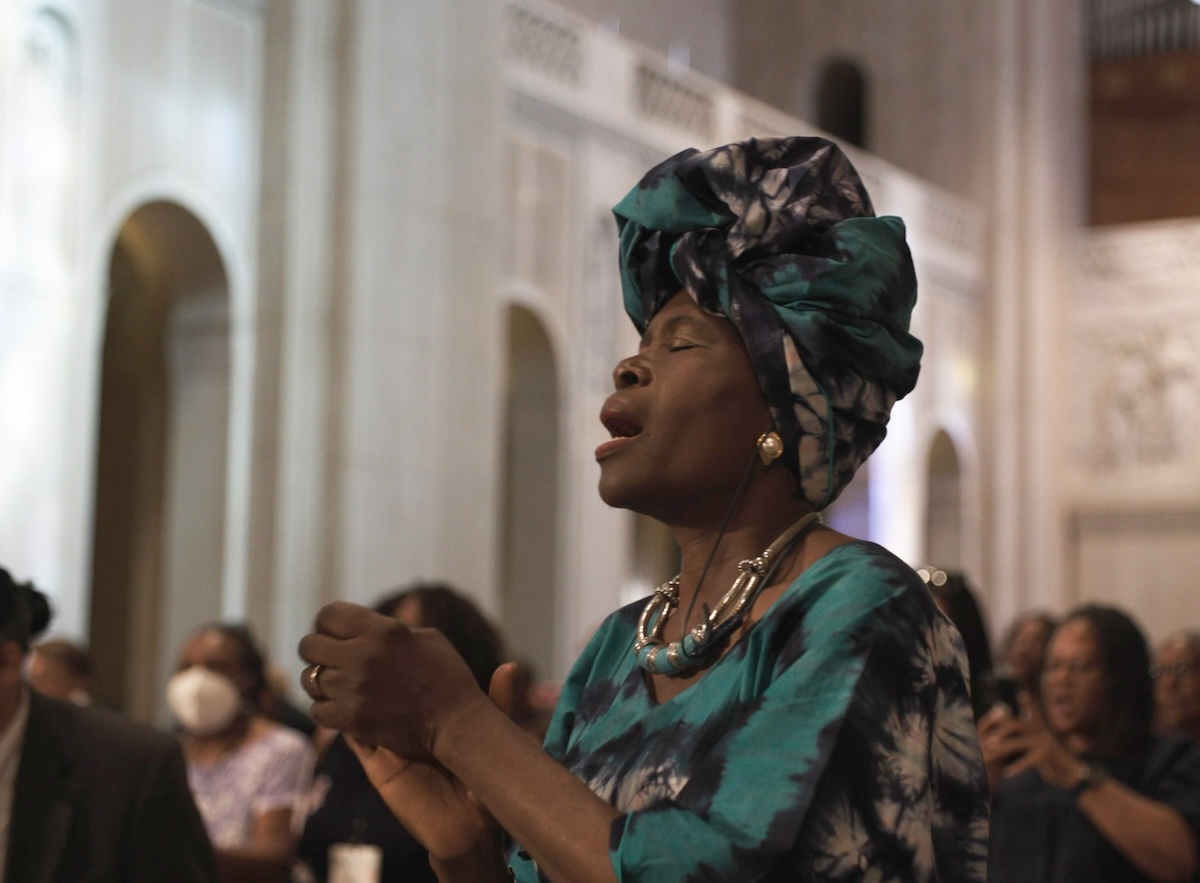
The Black and Indian Mission Office recently garnered attention through two new documentaries featured on Formed: “Trailblazers of Faith: The Legacy of African American Catholics” and “Walking the Sacred Path: The Story of the Black and Indian Mission Office.” These films provide an engaging perspective on the history and current missions standing at the crossroads of racial justice and faith. Father Sands hopes these documentaries will not only educate viewers but also serve as vehicles for fundraising.
Produced with care, both documentaries do not shy away from discussing the painful history of racial prejudice. However, they also emphasize a forward-looking approach to evangelization and community support. As Cardinal Timothy M. Dolan notes in “Walking the Sacred Path,” “They have a legacy of suffering, and we also have to be practical in coming to their assistance.” This sentiment underscores the essential role faith plays in healing and resilience.
“Trailblazers of Faith” highlights the remarkable journeys of Black Catholics who embraced their faith while honoring their cultural heritage. Key figures such as the Oblate Sisters of Providence, the first Catholic order for Black women in the U.S., and pioneering ministries like those led by Venerable Mother Henriette Delille open a window into the strength and contributions of these communities.
Understanding the Black and Indian Mission Office
Founded in 1874 as the Bureau of Catholic Missions, the Black and Indian Mission Office stems from a long-standing commitment to support Native American and African American communities. The office operates from a historical brick row house formerly owned by St. Katharine Drexel, who dedicated her life to the education and spiritual care of these populations.
Father Sands, who launched his career in investment banking before embracing his calling to the priesthood, recalls how his path converged with the mission office. Although not aware of its existence growing up, his experiences in seminary and the mentorship of Father Wayne Paysse steered him towards this crucial work. He now serves as executive secretary of several initiatives within the mission office, focusing on a wide range of support, from school funding to seminary education.
The Black and Indian Mission Collection, established by U.S. bishops in 1884, further supplements these efforts by allocating funds to aid community ministries. Dioceses can request grants for evangelization efforts, Catholic education, and religious resources, ensuring that financial support goes directly to those in need.
With around 700 grants dispersed annually, totaling between $7 million to $9 million, the mission office leverages these funds to enhance educational opportunities and spiritual growth in communities. Father Sands reflects, “I didn’t feel isolated growing up… I’ve learned how to live and work in diverse situations.” His experience resonates with many Indigenous peoples, reinforcing the notion of resilience amid historical adversity.
Community-Centric Initiatives
A significant part of Father Sands’ role involves addressing questions and concerns that arise at the grassroots level of parish communities. For instance, he recalls an inquiry from a congregation about using traditional Native American materials for liturgical purposes. “You know what smudging is? Native Americans use cedar, sawgrass, or sage. These are materials burned instead of incense,” he explains. With no official church directives governing the use of these materials, Father Sands was positioned to provide reassurance and guidance, further integrating Indigenous traditions into Catholic practice.
Through such interactions, Father Sands accommodates and promotes the rich tapestry of cultural expression within the church while advocating for recognition and respect for Indigenous practices. This underscores a broader mission to cultivate understanding and compassion, joining hands across diverse faith communities.
As these unique narratives unfold, the Black and Indian Mission Office continues to pave a path toward healing, understanding, and mutual respect—a testament to the power of faith to bridge divides and enrich lives.