


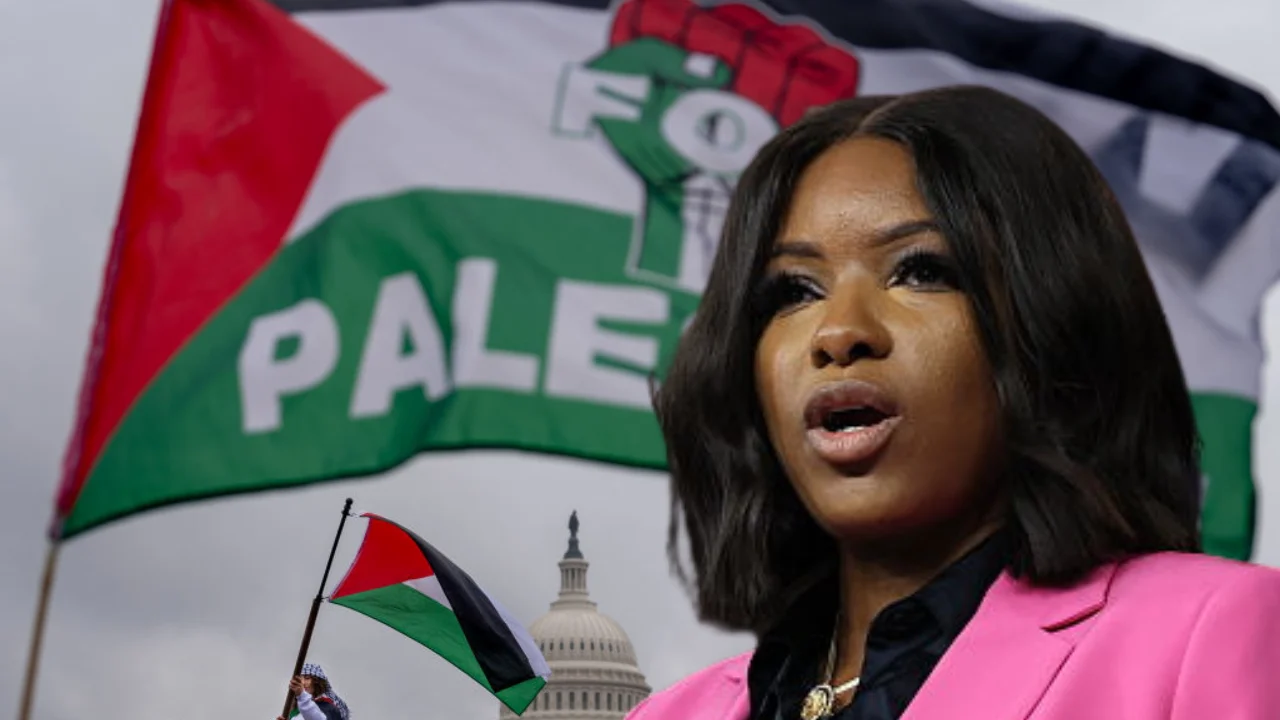
U.S. Rep. Jasmine Crockett Faces Social Media Backlash Amid Senate Run
Introduction to a Rising Political Star
As U.S. Representative Jasmine Crockett embarks on her campaign for the U.S. Senate, she finds herself at the center of a heated social media firestorm. Recently, Crockett characterized a wave of online criticism—linked primarily to her positions on Israel and the ongoing humanitarian crisis in Gaza—as a “coordinated attack.” This incident has not only highlighted the contentious nature of political discourse but has also underscored the delicate balance politicians must maintain when addressing international issues.
The Viral Clips and Mischaracterizations
Crockett’s statement about the social media backlash indicates broader implications for how narratives about political figures can rapidly spread and become distorted. In her comments to Texas reporter Jeremy Wallace, she emphasized that the clips circulating online were fundamentally misrepresenting her stance. This situation raises critical questions about media representation and the role of social platforms in shaping public opinion.
Clarifying Her Position on Israel
The backlash against Crockett intensified shortly after she announced her candidacy for the Senate, coinciding with her controversial votes and statements regarding Israel. As the situation in Gaza escalates, resulting in the tragic loss of thousands of Palestinian lives, Crockett has found it necessary to clarify her position. She openly stated that she is not endorsed by AIPAC, the American Israel Public Affairs Committee, contradicting claims circulating online.
Crockett detailed her vote in favor of a supplemental funding package intended to support both Israel’s military efforts and humanitarian aid for Gaza, Taiwan, and Haiti. “That supplemental package was for defensive help to Israel, as well as it was for money for Gaza,” she explained, illustrating the complexities involved in legislative decision-making where various interests intersect.
Political Leverage and Legislative Responsibility
Crockett’s defense of her vote underscores the intricate dynamics of U.S. politics, particularly when the Republicans hold control in the House of Representatives. She emphasized that Democrats utilized their influence to secure additional humanitarian funding, which speaks to the bargaining that often occurs in legislative processes. “They are the ones that put the bills on the floor, and we were able to use leverage to be able to get support for other places such as Haiti, such as Gaza,” she noted, reflecting the necessity of compromise in governance.
Differentiating People from Politics
In her attempts to articulate her views without vilifying entire populations, Crockett made it clear that her criticism was directed at the Israeli government, led by Prime Minister Benjamin Netanyahu, rather than the Israeli people. “I have no hate for any kind of people… but I don’t necessarily love the Netanyahu government,” she stated, a sentiment that resonates with many who argue for a distinction between a state’s actions and the individuals within that state.
Simultaneously, she expressed her discomfort with the previous U.S. administration, reflecting a broader criticism of government policies regardless of their political affiliation. “I’m not in love with the Trump government either,” she remarked, drawing parallels between criticisms of U.S. domestic policies and international relations.
A Proposed Focus on Core Issues
Crockett has made it clear that while she welcomes discourse on her record, she takes issue with attempts to misrepresent her views. She insists the focus should remain on pressing domestic issues, particularly those impacting the economy and affordability, rather than distractions stemming from misconstrued foreign policy debates.
“We have more ICE deaths in the history of ICE in one year,” she pointed out, directing attention to significant concerns related to immigration enforcement and its implications for society.
Campaign Transparency and Future Messaging
With the Senate primary approaching on March 3, 2026, Crockett has committed to providing a transparent outline of her foreign policy stance on her campaign website. This move not only aims to clarify her position but also serve as a platform for engaging with constituents on complex global issues.
However, she also encouraged voters to examine the records of her political opponents, suggesting that an understanding of broader legislative actions is crucial. “If you have any issues, I’d say go look at [Republican U.S. Senator John] Cornyn’s record and see what that does… It looks a little different,” she asserted, advocating for an informed electorate.
This article captures the nuanced discussions surrounding Jasmine Crockett’s campaign and her positions on sensitive international issues while highlighting the intricacies of political communication in today’s digital age.