


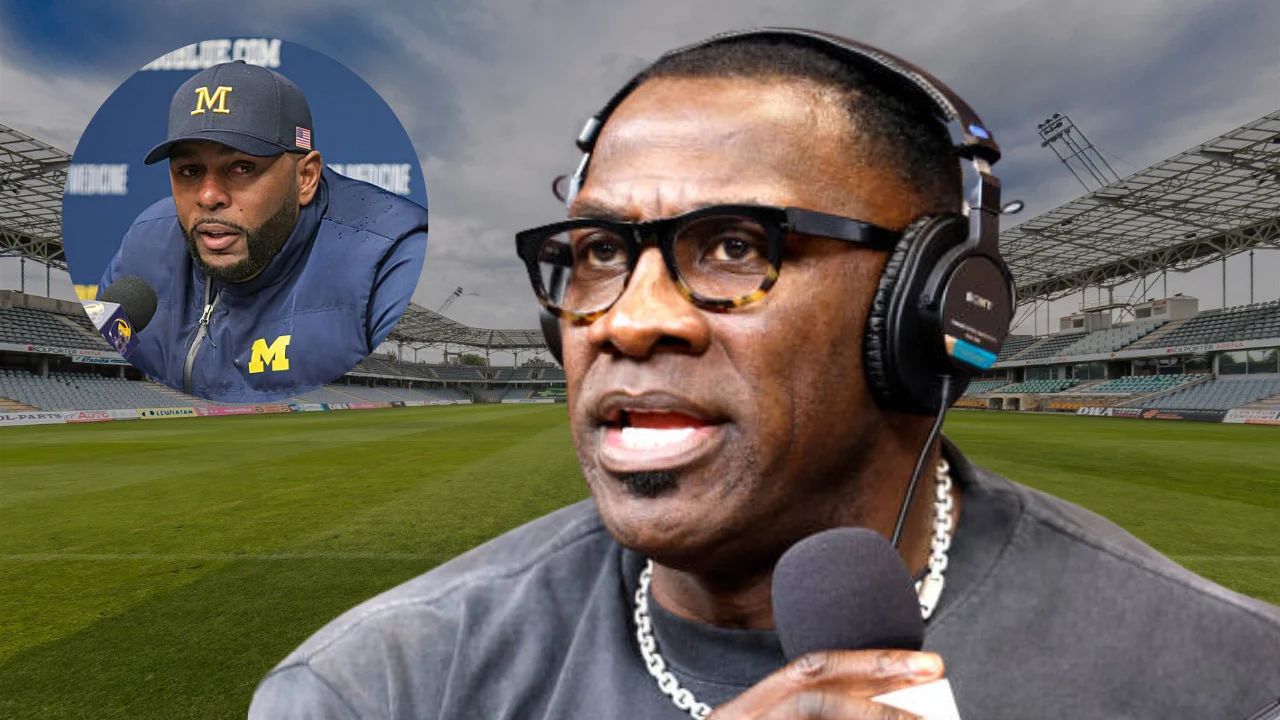
In a recent episode of Shannon Sharpe’s “NightCap” podcast, the former NFL star stirred controversy by discussing the downfall of ex-Michigan coach Sherrone Moore. Moore faced termination from his position amidst findings of “credible evidence” of an inappropriate relationship with a staff member. The situation escalated when he was arrested on felony charges of home invasion and misdemeanor stalking linked to a domestic relationship. Following his arrest, Moore was released on a $25,000 bond.
Sharpe approached the topic not merely as an observer, but as someone who has endured his own public struggle. With palpable emotion, he characterized the pressure surrounding such incidents as a “pressure cooker.” He drew parallels between Moore’s situation and his own experience earlier in the year, when Sharpe was sued for alleged sexual assault by a 22-year-old woman in Nevada. This lawsuit culminated in a $50 million settlement and led to his removal from ESPN.
Reflecting on his own experiences, Sharpe shared, “Six months ago I went through something very similar, so I know what that storm is like.” He spoke candidly about the challenges of public scrutiny, emphasizing that until one finds themselves in such a situation, it is difficult to gauge how they would react. His comments shed light on the emotional turmoil and isolation that often follows public disgrace, portraying a sense of empathy for those caught in similar storms.
The conversation took a more intense turn as Sharpe discussed the context of Moore’s actions. Reports indicated that Moore’s inappropriate relationship involved his former executive assistant, and allegations surfaced that he had broken into her home while armed. A chilling 911 call described an alarming scene in which a dispatcher reported, “the man was ‘attacking her’” and had allegedly been stalking her for months. This turned the discourse from merely a professional downfall into serious criminal accusations.
Sharpe’s analysis shifted towards the psychological dynamics at play, addressing how some men may rationalize or assume they are exceptions to the rule when engaging in morally dubious relationships. He paraphrased this mindset: “Nah, this going to be different. It ain’t going to get out. Don’t nobody know but her and I.” His reflections highlighted the dangers of self-deception and the perilous nature of unchecked impulses.
Throughout the episode, Sharpe focused on the emotional aftermath of public disgrace, illustrating how careers crafted through years of hard work can unravel swiftly. He mentioned that after such events, only “a select few” remain close, pointing to the isolating nature of scandal and the profound impacts it has on mental health.
“I wouldn’t wish what I went through on my worst enemy,” he lamented, evoking biblical tales like those of Samson and Delilah and David and Bathsheba to correspond with the theme of downfall due to lust and betrayal.
However, Sharpe’s statements didn’t resonate as he may have anticipated. As clips from the podcast circulated on social media, the backlash was immediate. Critics were vocal in accusing Sharpe of centering his own experiences rather than holding Moore accountable for the circumstances he created. One user on X expressed, “Self inflicted. No sympathy,” while another questioned Sharpe’s framing, asking, “Why is Shannon talking like this is something that happened to Moore instead of something Moore caused himself?”
The responses to Sharpe’s remarks reveal a significant divide in public opinion. Many argued that accountability should outweigh empathy in cases of alleged misconduct. The nuanced conversation emphasizes the complexities of addressing sensitivity surrounding issues like domestic violence and personal failure while highlighting the intricate dance between understanding human behavior and demanding responsibility.
As the legal proceedings against Moore unfold, Sharpe’s comments serve as a reminder of how discourse can quickly morph from discussing specific events to evaluating broader societal issues. The dialogue surrounding accountability, empathy, and public perception remains as critical as the situations themselves, challenging listeners to navigate the complexities of morality, responsibility, and human frailty in the public eye.