


Think Before You Post
In today’s digital age, posting on social media has become second nature for many travelers. However, the implications of sharing your journey can extend far beyond the borders of your home country. Governments worldwide are adopting stringent measures to monitor travelers’ social media activities, leading to potential complications long after returning home.
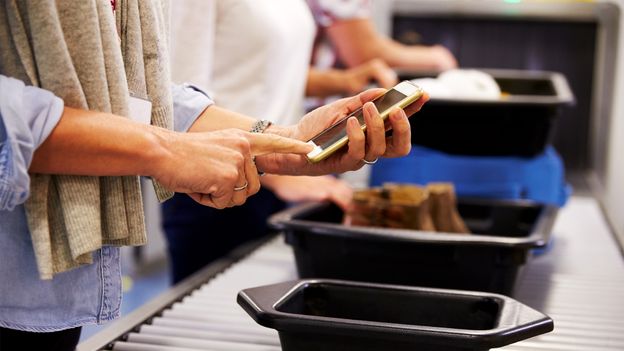
In 2018, New Zealand made headlines as the first country to implement a law allowing border officials to demand access to travelers’ phones, imposing hefty fines for refusal. Meanwhile, in the United Arab Emirates, individuals can face severe consequences for posting, or even resharing, defamatory content. One Irish tourist learned this the hard way when he faced detention for leaving a negative review of an employer. Such incidents raise eyebrows and underline the need for awareness regarding what we share online.
The Rising Tide of Digital Footprints
The amount of content travelers generate is skyrocketing. A survey conducted by Virgin Mobile found that over half of British travelers can’t imagine taking a holiday without snapping and sharing pictures on social media. On average, they upload seven images weekly—each one potentially loaded with personal implications and cultural sensitivities.
As the quest for the ultimate “travel porn” increases, the stakes are higher than ever. One in ten respondents even admitted they would go to extremes for a perfect selfie, pushing limits that might conflict with local customs. While some may see it as a harmless pursuit of social media glory, these posts can quickly become a source of conflict, leading to backlash that often escalates uncontrollably.
A stark example emerged in 2022 when a Russian influencer and her husband were deported from Bali after a nude photoshoot near a sacred tree. Local outrage culminated in calls for the couple to face consequences, illustrating how a single post can trigger collective indignation and governmental action.
The Spectrum of Misunderstanding
Travel enthusiasts often don’t consider the potential fallout from their posts. Sucheta Rawal, a travel speaker and author, shared her own experience of how one of her seemingly innocent posts led to significant backlash. Despite her intentions, it was reshared by a contact and resulted in misunderstandings that marred her travels. This highlights the vulnerability all travelers face when they share content, whether it’s meant for a personal audience or the public eye. In an instant, misunderstandings can turn a simple post into a global controversy.
Navigating Cultural Norms
The vast implications of our digital actions necessitate a greater appreciation of cultural sensitivities. Canada has taken a proactive approach, encouraging tourists to familiarize themselves with the local social media etiquette before traveling. For instance, in Thailand, it’s illegal to promote alcohol on social platforms; posting a picture with a drink can lead to fines.
Yet, despite such guidelines, travelers often find themselves unwittingly breaching local customs. The nuances of cultural contexts are sometimes lost on visitors, leading to tensions. Rawal notes that cultural subtleties, such as the significance of a yukata’s wrapping or the importance of respecting sacred sites, reveal how unaware some travelers can be when they snap pictures for social media.
Context is Everything
A significant challenge arises from the divergence between low-context and high-context societies. In high-context cultures, communication relies heavily on implicit understanding and non-verbal cues. So, when travelers from low-context cultures, which favor straightforward verbal communication, engage in social interactions, they may unintentionally offend.
For example, a simple emoji accompanying a post might carry a completely different connotation for someone from a different cultural background. What seems innocuous to one person might trigger sensitive interpretations for another. This challenge becomes even more pronounced in social media where nuances can easily be overlooked in the fast-paced environment of likes, shares, and comments.
The New Era of Digital Awareness
With more people stepping into the role of content creators, the potential for misunderstanding grows exponentially. Travelers must now think critically about the implications of their posts, considering not only their intentions but also how their messages might be received in different cultural contexts.
As the world becomes increasingly interconnected, the responsibility to navigate these complexities lies with each individual traveler. Awareness and respect for local customs and norms can make a significant difference, ensuring that the joy of sharing travel experiences doesn’t come at the cost of cultural insensitivity or misunderstanding.
In this rapidly evolving landscape of digital communication, the mantra should be clear: think before you post.